In today's era of globalization, import trade serves as a robust and extensive bridge, closely connecting every corner of the world. It is no longer merely a simple exchange of goods but rather an integration of cultures, technologies, and lifestyles. Today, let us delve deep into the realm of import trade, a field brimming with charm and opportunities.
The Multifaceted Charm of Import Trade
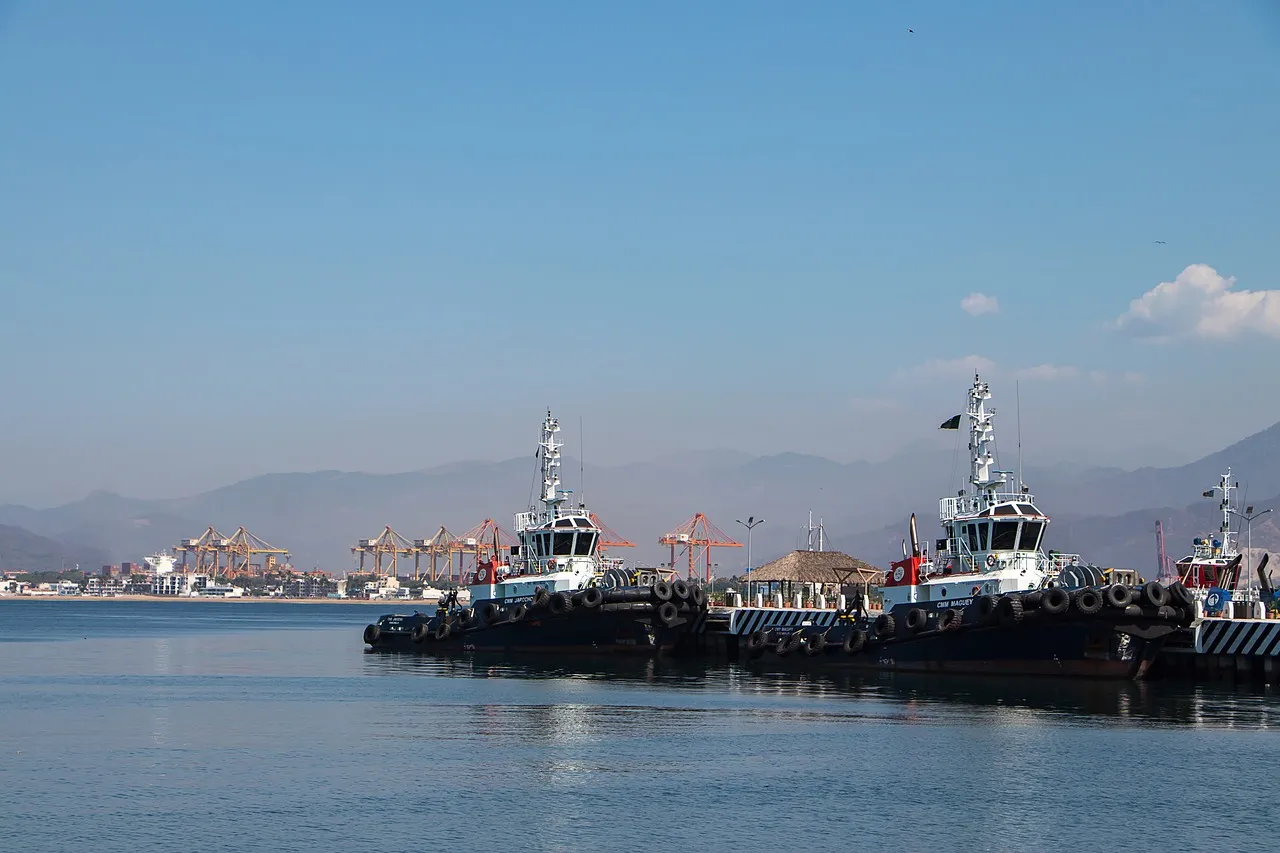
Import trade brings about a rich and colorful transformation in our lives. Firstly, from the perspective of daily consumption, we can enjoy specialty foods, fashionable apparel, and various high-quality daily necessities from different countries. For instance, French perfumes, Italian leather goods, and Japanese electronics, these imported goods satisfy consumers' pursuit of quality and uniqueness, thereby enhancing the quality and taste of life.
Secondly, in industrial production, import trade provides enterprises with channels to obtain advanced raw materials and equipment. Many domestic enterprises rely on imported high-end and sophisticated equipment to improve production efficiency and product quality, thus becoming more competitive in the global market. For example, some manufacturing enterprises have achieved significant improvements in product processing precision by introducing advanced machine tool equipment from abroad.
Lastly, import trade also promotes cultural exchange and dissemination. Each nation's unique cultural connotations are carried within the goods from different countries. As these goods enter the domestic market, more people become aware of the cultural characteristics of various regions worldwide, broadening their horizons.
Challenges Faced by Import Trade
However, the development of import trade is not always smooth sailing. On one hand, the constantly changing international trade policies bring numerous uncertainties to import trade. Tariff adjustments, the imposition of trade barriers, and other factors can affect the cost and market access of imported goods. For instance, when certain countries increase tariffs on specific goods, importers' profit margins may be squeezed, and some goods might even be forced to exit the market.
On the other hand, exchange rate fluctuations are also an important issue that import trade needs to confront. Exchange rate instability can cause significant changes in the price of imported goods when settled in the domestic currency, increasing enterprises' operational risks. For import enterprises with relatively weaker financial strength, exchange rate fluctuations may expose them to immense financial pressure.
The Key to Seizing Import Trade Opportunities
Despite the numerous challenges, the opportunities in import trade remain immense. For enterprises or individuals engaged in import trade, a deep understanding of market demand is crucial. Only by accurately grasping the characteristics and trends of domestic consumers' demand for different imported goods can one selectively import goods and enhance market competitiveness.
Establishing stable supply chain relationships is also a critical link. Building long-term and stable cooperative relationships with reliable foreign suppliers can ensure the quality of goods and the stability of supply, while also enabling better coordinated responses when facing unforeseen circumstances.
Furthermore, enhancing one's risk management capabilities is equally indispensable. Closely monitoring international trade policies and exchange rate changes, formulating corresponding risk response strategies, such as using financial instruments like hedging to mitigate exchange rate risks, is essential.
Import trade plays an indispensable role in the current global economic landscape. It brings both a rich variety of goods and cultures, while also facing numerous challenges. However, as long as we can accurately seize opportunities and actively respond to challenges, we will undoubtedly achieve success in the vast arena of import trade. Dear readers, do you also feel the charm of import trade? Or do you have any unique experiences or insights during the process of import trade? You are all welcome to leave your comments in the comment section to share, so that we can jointly explore more possibilities in import trade.

Recent Comments (0) 0
Leave a Reply