In the wave of global economic integration, foreign-funded enterprises are playing an increasingly important role on the stage of international trade, and re-export trade, as a unique trade method, is attracting the attention of many foreign-funded enterprises. So, what exactly are the appeals and risks of re-export trade for foreign-funded enterprises? Let us explore together.
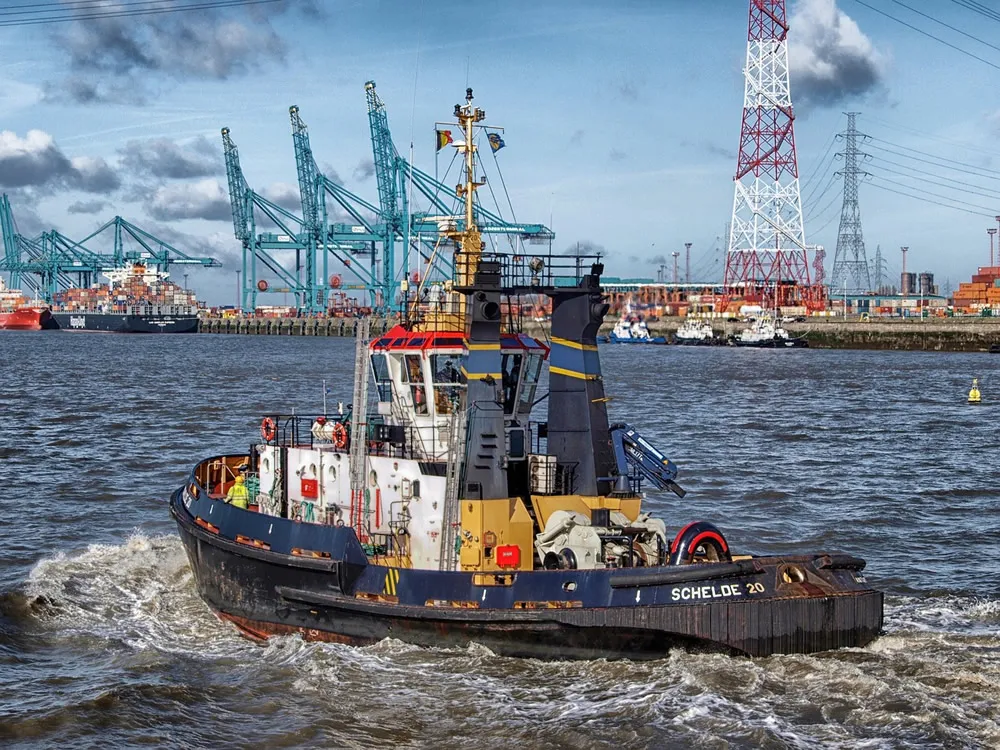
What is Re-export Trade for Foreign-Funded Enterprises?
Re-export trade, simply put, is trade where goods are not bought and sold directly between the producing country and the consuming country, but are instead transshipped through a third country. For foreign-funded enterprises, leveraging their advantages of global presence, abundant resources, and extensive business networks, conducting re-export trade offers unique conveniences. For example, the foreign-funded enterprise Mr. Xia works for has its parent company in Europe, a production base in China, and sales channels in Southeast Asia. This enterprise can take products manufactured in China, first export them to a third country with tax incentives or trade facilitation policies, and then re-export them from that third country to the Southeast Asian market, thereby optimizing trade routes and reducing operating costs.
Advantages for Foreign-Funded Enterprises in Conducting Re-export Trade
First, significant tax planning opportunities. Tax policies vary significantly across different countries and regions, and foreign-funded enterprises can leverage these differences to reduce their overall tax burden through reasonable re-export trade arrangements. For instance, some free trade ports or low-tax regions offer tax reductions or preferential policies for re-export trade, allowing foreign-funded enterprises to transit goods through these areas and enjoy tax benefits. Second, avoiding trade barriers. In recent years, trade protectionism has been on the rise, and some countries have trade restrictive measures. Foreign-funded enterprises can cleverly circumvent these barriers through re-export trade. For example, the foreign-funded enterprise Mr. Xia manages faced high tariffs imposed by a certain country on products originating from China. By first transshipping the products to a third country that has friendly trade relations with the importing country and no such restrictions, repackaging or performing simple processing, and then re-exporting them to the target country, they successfully avoided the high tariffs. Furthermore, expanding global markets. With the help of re-export trade, foreign-funded enterprises can expand their products from one market to multiple markets, accessing more customers in different regions through transshipment in a third country, thereby increasing their market share and influence.
Challenges Faced by Foreign-Funded Enterprises in Re-export Trade
However, re-export trade is not always smooth sailing. Increased complexity in logistics and supply chain management. Goods need to transit through multiple countries and regions, involving different transportation methods, customs procedures, and warehousing management, and any problem in any link can lead to delays or losses of goods. For example, encountering adverse weather during transit or delays in customs inspection in the transit country. Policy risks are not to be overlooked. Trade and tax policies of various countries are constantly changing, and if foreign-funded enterprises fail to understand and adapt to these changes in a timely manner, they may find themselves in a passive position. For instance, if a transit country that originally offered tax incentives suddenly adjusts its policies and cancels relevant preferential treatments, the enterprise's costs will significantly increase. High requirements for trade compliance. Re-export trade involves the laws and trade rules of multiple countries, and enterprises must ensure that every link complies with relevant regulations; otherwise, they may face legal risks, such as anti-dumping investigations or customs penalties.
How to Address Challenges and Seize Opportunities
For foreign-funded enterprises to succeed in re-export trade, establishing a comprehensive logistics and supply chain system is crucial. Cooperate with reliable logistics providers, strengthen monitoring and management of transportation, warehousing, and other links to ensure the smooth flow of goods. At the same time, closely monitor policy dynamics in various countries, establish dedicated policy research teams or leverage professional consulting agencies to adjust trade strategies in a timely manner to address risks brought by policy changes. Regarding compliance, strengthen internal management and establish strict trade compliance systems to ensure that business operations are legal and compliant.
In conclusion, re-export trade for foreign-funded enterprises is a double-edged sword, presenting both immense opportunities and numerous challenges. Only by fully understanding the characteristics of re-export trade and actively addressing challenges can enterprises navigate the waves on the grand stage of global trade and achieve sustainable development. It is hoped that foreign-funded enterprises, based on their specific circumstances, can cautiously yet boldly explore the path of re-export trade to create more business value.

Recent Comments (0) 0
Leave a Reply