On the grand stage of international trade, changes in export models often attract the attention of many practitioners. Today, let's have a good chat about the transition from agency export to self-managed export, and see what are the ins and outs and what new opportunities and challenges lie within.
I. Agency Export vs. Self-Managed Export, Do You Really Understand?
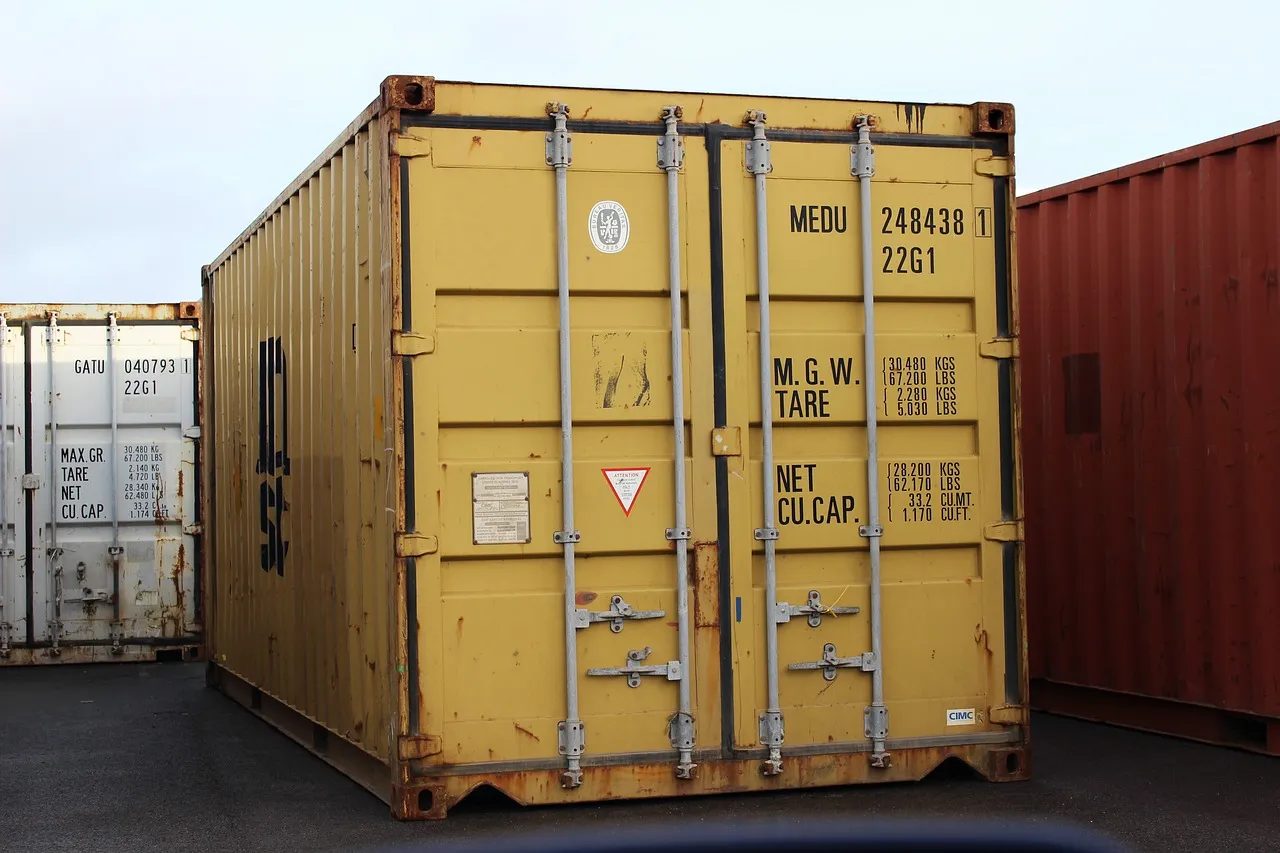
First, let's clarify the concepts of agency export and self-managed export. Agency export means that an enterprise (let's take Zhongmaoda as an example here) entrusts an agent with import and export rights to handle export business on its behalf, including customs declaration, commodity inspection, foreign exchange settlement, and a series of other processes. The enterprise itself is mainly responsible for providing goods and other basic aspects. It's like you're going to handle something in an unfamiliar place, and you find someone familiar with the local situation to help you run errands and deal with various procedures.
Self-managed export, on the other hand, means that the enterprise itself has import and export rights and independently completes the entire export business process, from finding customers, signing contracts, organizing sources, customs declaration, to foreign exchange collection and verification. This is equivalent to you being familiar with the procedures for handling affairs in that unfamiliar place, no longer needing others to run errands, and being able to handle everything yourself.
II. Why Transition from Agency Export to Self-Managed Export?
For enterprises like Zhongmaoda, the transition often has many reasons. On the one hand, from a profit perspective, agency export enterprises can only obtain a certain proportion of agency fees. If self-managed export is operated well, it can obtain the entire profit of the export business. The profit margin gap in between is quite tempting. For example, a product might only earn a small agency fee through an agency export enterprise, but with self-managed export, apart from the cost, all the remaining profit can be put into your own pocket.
On the other hand, in terms of enterprise development and control over business operations, self-managed export allows enterprises to gain a deeper understanding of the international market and customer needs. By directly communicating and negotiating with customers, they can adjust product strategies and optimize services in a timely manner, thus better establishing themselves in the international market. Unlike agency export, where there is an intermediary agent, some real feedback from customers may not be accurately grasped in the first instance.
III. Challenges and Coping Strategies During the Transition
However, this transition is not smooth sailing, and there are quite a few challenges. The foremost is the familiarity with professional knowledge and procedures of import and export business. Previously relying on agents, enterprises themselves may not have a deep understanding of detailed processes such as customs declaration and commodity inspection. Once they switch to self-managed export, all these must be handled personally. If any link goes wrong, it may affect the smooth progress of the entire export business.
- At this time, enterprises need to strengthen internal employee training to enable relevant personnel to quickly familiarize themselves with various processes and regulations of import and export business, ensuring that no errors occur in any.
Furthermore, market development is also a challenge. When exporting through agents, customer resources are often held by agents. After switching to self-managed export, enterprises have to find new customers and develop new markets themselves. This requires enterprises to increase market research efforts, formulate effective market promotion strategies, and actively participate in international exhibitions and other activities to enhance the enterprise's visibility in the international market.
IV. Seize Opportunities and Embark on a New Journey of Self-Managed Export
Although the transition has challenges, as long as it is properly managed, the opportunities brought by self-managed export are also huge. Once Zhongmaoda successfully transitions from agency export to self-managed export, it will have stronger bargaining power in the international market and can flexibly formulate pricing strategies, product strategies, etc., based on its own product characteristics and market demand. Moreover, with a deeper understanding of the international market, it can continuously expand its business scope, develop new product series, and meet the needs of different customers.
Therefore, for those enterprises that are considering or are already undergoing the transition from agency export to self-managed export, do not fear difficulties, see the opportunities behind them, make good preparations, and welcome the new journey. We believe that on the future international trade stage, they can pave their own broad road through self-managed export.
Dear readers, what are your views on transitioning from agency export to self-managed export? Welcome to leave a message in the comment section for discussion.

Recent Comments (0) 0
Leave a Reply