When Mr. Chang first heard that his competitors had boosted their profit margins by 20% through re-export trade, he thought it was just a legend. It wasn't until he personally witnessed a shipment departing from Vietnam, changing documents in Singapore, and heading directly to the United States, ultimately bypassing tariff barriers and successfully completing the transaction—that this traditional manufacturing boss realized that, re-export trade was becoming a new leverage for business internationalization.
Three Core Logics of Re-export Trade
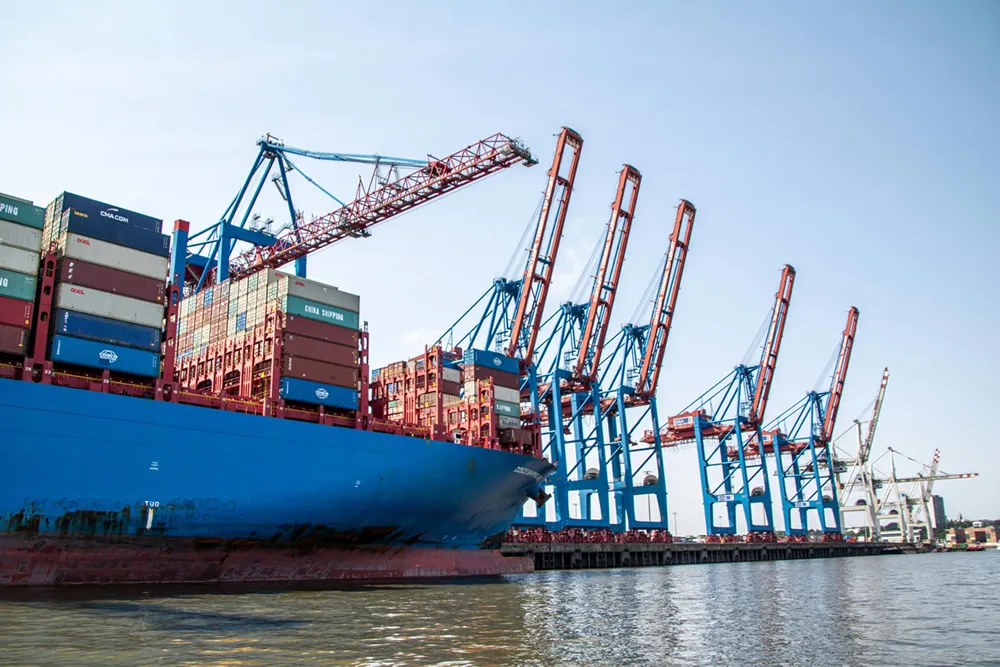
Unlike direct import and export, the essence of re-export trade lies in 'goods do not enter the country, but profits are already accounted for'. Mr. Chang electronic component trading company is a typical example:
- Tariff Optimization: Utilizing a third country for transit and leveraging free trade agreements to lower tariff rates in the final destination country
- Risk Isolation: Establishing a legal firewall through offshore company structures in transit ports
- Capital Flow: Using multi-currency settlements to mitigate exchange rate fluctuation risks
Five Key Steps in Practical Operation
The closed-loop process summarized by Zhongmaoda's trade consulting team is worth referencing:
- Select a transit port with a free trade agreement network (e.g., Hong Kong, Dubai)
- Confirm the processing standards for certificates of origin in the transit country
- Design a 'factory-transit warehouse-end customer' logistics pathway
- Establish an overseas capital pool for tax planning
- Allocate 6-8 weeks for document circulation
Beware of Three Major Cognitive Misconceptions
A certain apparel company once lost millions due to misunderstanding the rules:
- Believing 'transit equals tax evasion' – in reality, the value-added portion during transit must be fully declared
- Ignoring differences in customs coding rules of the transit country
- Not considering the proportion of warehousing costs at the transit port
Mr. Wang, a professional customs broker, reminded: 'Compliance is the lifeline of re-export trade'.
The Future is Here: New Trends in Digital Re-export
Blockchain traceability technology is addressing the pain points of traditional re-export trade:
- Smart contracts automatically trigger document circulation
- Real-time on-chain record-keeping of cargo movement
- Cross-border payment settlement cycles shortened by 70%
As Zhongmaoda's latest industry report points out: 'Re-export trade without digital capabilities is like an ocean freighter without GPS'.
Which Piece is Missing from Your Globalization Chessboard?
As trade barriers increasingly become the new normal, re-export trade might be the crucial puzzle piece missing from your business landscape. Consider the following:
- Is there room for tariff optimization in your existing supply chain?
- Have transit port resource libraries been established?
- Does your finance team possess multi-country tax processing capabilities?
Feel free to share your re-export trade practices in the comments section, or consult Zhongmaoda's expert team for customized solutions.

Recent Comments (0) 0
Leave a Reply