In today's complex and ever-changing international trade landscape, a form of trade is quietly emerging: non-standard re-export trade. It is like a mysterious dancer on the trade stage, with unique steps and charm, attracting the attention of many industry professionals. Today, let's lift the veil of mystery surrounding non-standard re-export trade and delve into what it's all about.
I. What is Non-Standard Re-export Trade?
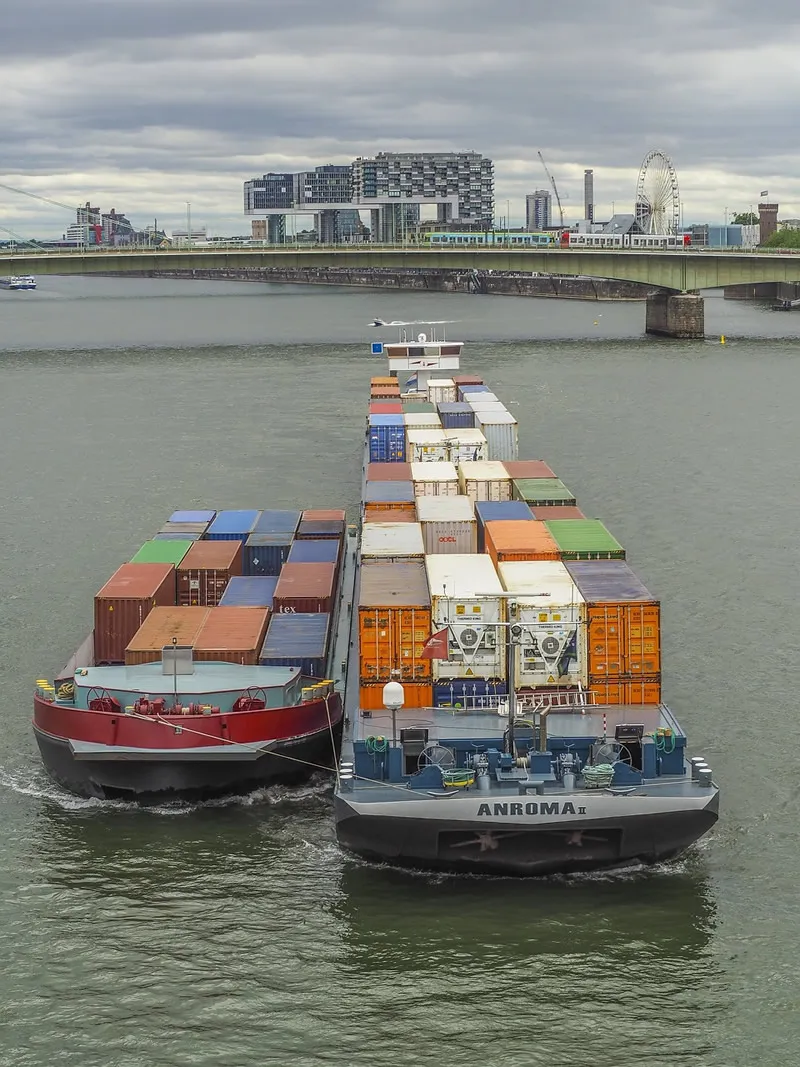
Non-standard re-export trade, in simple terms, is a special form of trade that differs from conventional standard re-export trade. It often has characteristics that do not conform to traditional standard models in terms of trade processes, product specifications, and transaction methods. For example, in terms of product specifications, it may involve some non-standardized products that are difficult to handle according to regular trade classifications and standard procedures. Or, in terms of transaction methods, more flexible and personalized approaches may be adopted to conclude deals.
II. Advantages of Non-Standard Re-export Trade
- Firstly, it offers more opportunities for business expansion for traders. The ability to handle products with non-standard specifications means the opportunity to enter niche but profitable market segments.
- Secondly, it plays a unique role in dealing with trade barriers. When certain countries or regions erect high trade barriers, non-standard re-export trade, through its flexible transaction methods and process adjustments, may find ways to overcome these barriers, thereby continuing trade interactions.
- Furthermore, it helps to meet diverse market demands. Consumer demands are becoming increasingly diversified today, and non-standard re-export trade can introduce unique, non-standard products to the market, better satisfying consumers' personalized needs.
III. Challenges Faced by Non-Standard Re-export Trade
However, non-standard re-export trade is not without its challenges. One of the biggest challenges is the difficulty in risk control. Due to the non-standard nature of its transaction methods and goods, there can be more uncertainties in aspects such as transportation, warehousing, and quality control. For instance, non-standard specification goods may require special packaging and handling methods during transportation, and improper handling can easily lead to damage. Moreover, the lack of unified standards in quality inspection places higher demands on the quality control capabilities of traders.
Additionally, in terms of laws and regulations, its special nature may lead to some gray areas. Regulations regarding non-standard re-export trade vary across different countries and regions, requiring traders to spend more effort understanding and complying with these regulations to avoid legal disputes.
IV. How to Succeed in Non-Standard Re-export Trade?
To succeed in the field of non-standard re-export trade, thorough market research is essential. Understand the demand for non-standard products in different markets, as well as local trade policies and regulations. Only by knowing oneself and the enemy can one navigate the trade process with ease.
Secondly, strengthen risk management awareness. Establish a comprehensive risk assessment and response mechanism, and prepare contingency plans in advance for potential issues such as cargo damage, quality problems, and legal risks to minimize losses as much as possible.
Furthermore, focus on collaborating with professional partners. For example, in areas like transportation, warehousing, and quality inspection, choosing experienced and professional institutions or enterprises for cooperation can greatly ensure the smooth progress of trade.
Non-standard re-export trade is like a double-edged sword, offering numerous advantages and opportunities, but also accompanied by significant challenges and risks. Regardless, it is an important part of the international trade arena worthy of attention and exploration. It is hoped that through today's introduction, more readers will gain a clearer understanding of non-standard re-export trade. We also look forward to readers sharing their views and insights on non-standard re-export trade in the comment section, or any problems and experiences encountered in practice, so that we can grow together through exchange and better grasp the business opportunities brought by this special form of trade.

Recent Comments (0) 0
Leave a Reply