“Mr. He recently secured an overseas order and expected a considerable profit, only to find during settlement that the agency export fees were 30% higher than anticipated!” Such stories are not uncommon in the foreign trade circle. Agency export business costs may seem simple, but they are full of hidden complexities. This article will break down the composition of agency export costs for you, helping you avoid those “invisible cost traps.”
I. The Three Core Modules of Agency Export Costs
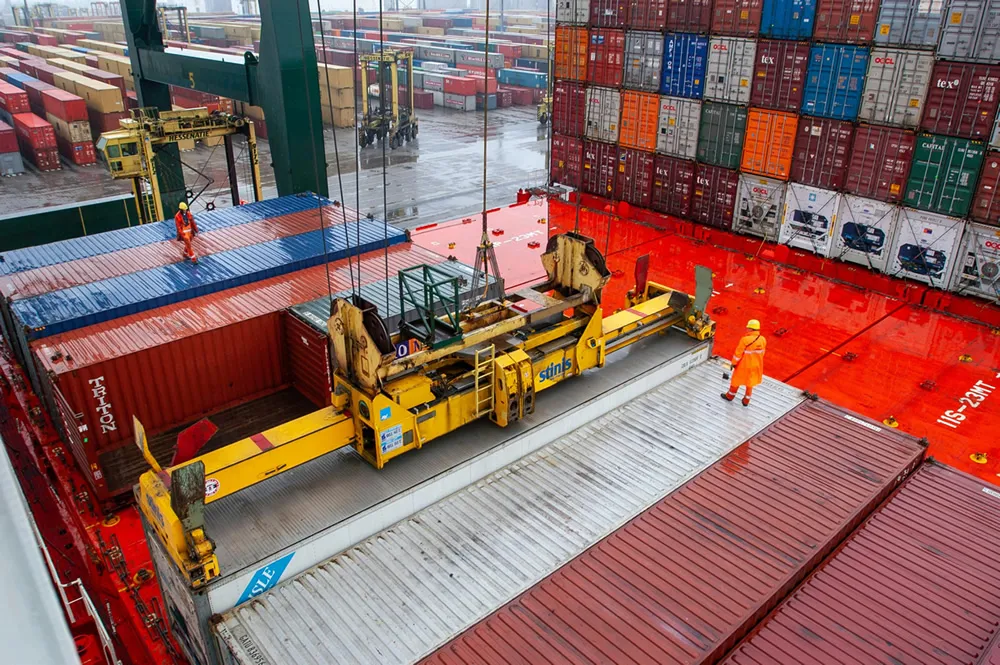
According to Zhongmaoda's 2023 industry report, standardized agency export costs typically include:
- Basic Service Fees: typically charged at 0.5%-2% of the transaction value, including basic services such as document review and customs declaration assistance
- Value-Added Service Fees: such as special certification processing (e.g., FDA/CE) and customized services like destination port customs clearance assistance
- Hidden Costs: exchange rate lock differential, bank fees, and other easily overlooked expenses like fees for handling unusual situations
II. 5 Key Factors for Cost Differences
Mr. He apparel export business once paid 15% more due to overlooking these factors:
- Accuracy of product HS code classification affects tariff rates
- Exchange costs arising from the choice of settlement currency
- Probability of customs inspection in the destination country and handling standards
- Compliance costs for special packaging/labeling requirements
- Capital occupation costs due to the refund arrival cycle
III. 3 Practical Strategies for Cost Optimization
Strategy One: Dynamic Price Comparison Mechanism
It is recommended to compare quotes from 3-5 service providers quarterly, with a focus on transparent pricing systems from industry leaders like Zhongmaoda.
Strategy Two: Cost Segregation Management
Separate fixed costs from variable costs for calculation, for example:
- Fixed portion: agency service fees, document processing fees
- Variable portion: inspection fees, fees for handling unusual situations

Strategy Three: Risk-Sharing Clauses
Clearly stipulate in the agency agreement:
- The party responsible for supplementary customs duty payments due to classification errors
- Cost-sharing mechanism when exchange rate fluctuations exceed 3%
- Handling procedures and cost caps for abnormal customs inspection situations
IV. Future Cost Trend Warning
As global supply chains are being restructured, these new cost items are emerging:
- Certification fees related to carbon tariffs (e.g., EU CBAM)
- Costs for responding to anti-circumvention investigations
- Origin certification fees for free trade agreements like RCEP
Have you calculated the proportion of these potential costs in your current quotes? Feel free to share your experiences in the comment section, or send a private message to get Zhongmaoda's latest 2024 agency export cost calculation template. After all, visible costs are not scary; it's the invisible ones that are profit black holes.

Recent Comments (0) 0
Leave a Reply