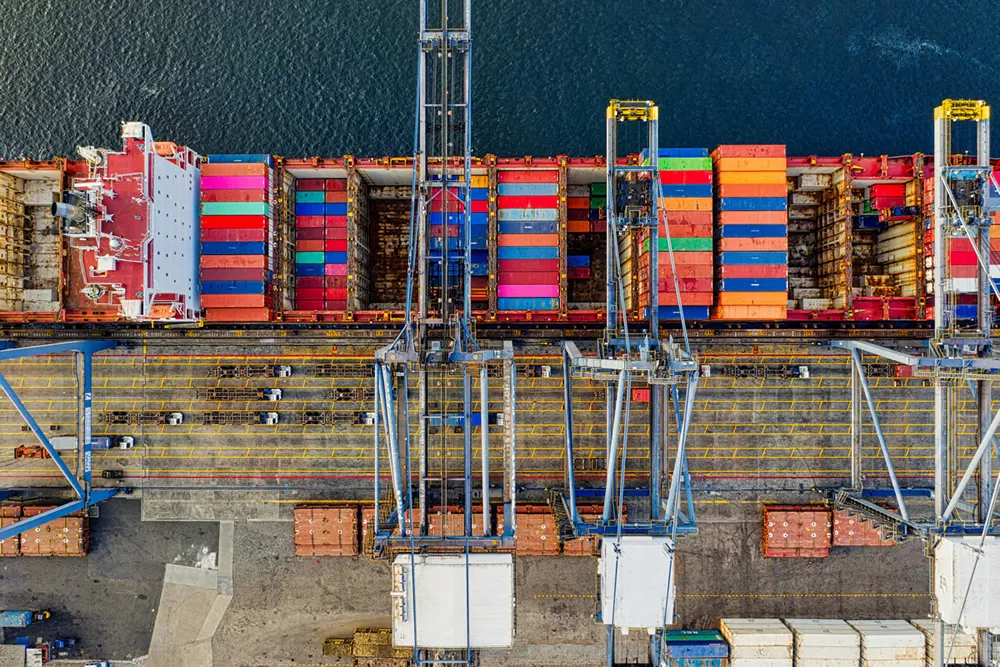
When Mr. Bi first saw a full container of French Bordeaux red wine in the bonded warehouse, he realized it was not just merchandise, but an artwork of flavor spanning eight thousand kilometers. "Each bottle holds the sunshine of its origin and the craftsmanship of the winemaker," said this importer with ten years of experience, showcasing his collection in the wine cabinet. As the largest red wine import port in northern China, Tianjin Port handles over 30% of imported wine nationwide annually, and behind this figure lies a vast trade network built by countless practitioners like Mr. Bi.
Why Choose Tianjin Port?
Tianjin Port's locational advantage creates a unique competitiveness in the red wine import sector:
- The only port in North China with temperature and humidity-controlled bonded warehouses
- A 3-hour logistics circle to the Beijing-Tianjin-Hebei consumer market
- A green channel for "pre-approval and fast release" for food products by customs
Mr. Bi trading company imported 200 containers of red wine through Tianjin Port last year, and she calculated: "Compared to other ports, the comprehensive cost per container can be saved by 300-500 yuan, especially for small and medium-sized importers, the LCL service here is particularly friendly."
Three Key Links in Import Agency
Qualification Preparation is the primary threshold. According to current regulations, importers need to possess:
- Food Distribution License
- Import and Export Business License
- Authorization documents from overseas wineries
Zhong Maoda's professional consultants remind: "New entrants often overlook the registration and filing of overseas producers in China, which can lead to customs clearance delays."
Logistics Solutions directly affect wine quality. Marine reefer containers need to be controlled at 14-16°C with humidity at 65%-75%. A transportation accident once caused Mr. Bi heavy losses: "The entire container of wine turned into vinegar due to temperature control failure. Now we purchase additional transportation insurance."
Market Positioning determines profit margins. Currently, imported red wine at Tianjin Port shows a polarized trend:
- Table wines below 200 yuan occupy 60% of the market share
- High-end wines above 1,000 yuan have an annual growth rate of 25%
Pitfall Avoidance Guide: Common Mistakes for Newcomers
Incorrect customs code classification is a major area for fines, such as misreporting "still wine" as "sparkling wine." Last year, a certain agency was fined 380,000 yuan in back taxes due to incorrect tax code declaration. Zhong Maoda's Customs Affairs Department advises: "It is best to consult for pre-classification in advance."
Another hidden trap is label compliance. Mr. Bi shared: "The DOCG marking for Italian wines must be reflected on the Chinese back label. We once had an entire batch returned due to a missing label."
Opportunity Window for the Next Three Years
With the deepening of the RCEP agreement, tariffs from countries like Chile and Australia will be further reduced. Industry data shows that in 2023, Chilean red wine imported through Tianjin Port increased by 47% year-on-year, with the average price per liter decreasing by 2.3 US dollars. Mr. Bi is planning direct sourcing from South American wineries: "Entering the market now can still catch the last wave of tariff dividends."
Standing at the container terminal of Tianjin Port, watching the red wine containers about to be sent inland, perhaps as a wine taster once said: "Every bottle of imported red wine is a microcosm of international trade." For aspiring entrepreneurs, this track requires not only professional trade knowledge but also a keen aesthetic sensibility. Do you also smell the business opportunity in the oak barrels? Welcome to share your insights in the comment section.

Recent Comments (0) 0
Leave a Reply