In the grand blueprint of global trade, there are certain countries that have become leaders in re-export trade, thanks to their unique geographical location, complete infrastructure, and mature financial systems. Re-export trade, simply put, is trade where goods are not bought and sold directly between the producing country and the consuming country, but rather through a third country. Today, let's step into the world of major re-export trading nations and explore the unique role they play in the global trade landscape.
Cornerstones of Major Re-export Trading Nations' Advantages
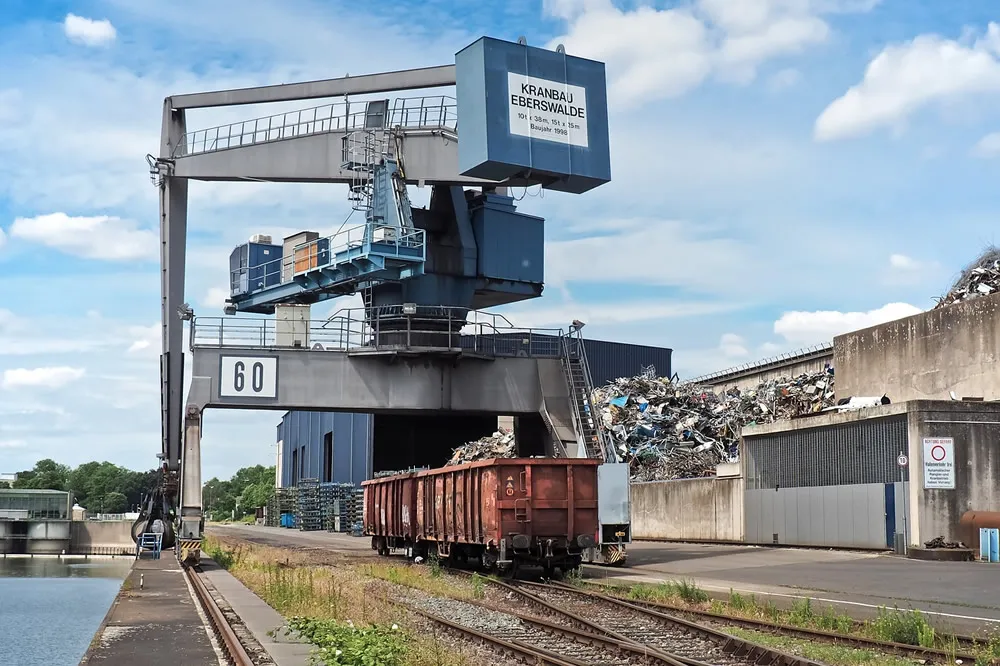
Firstly, geographical location is often a key factor. Countries like Singapore, situated in the Strait of Malacca, one of the world's busiest shipping lanes, act as a natural logistics hub connecting the Pacific and Indian Oceans. Goods from various countries converge here before being transshipped to other regions, giving Singapore an unparalleled advantage in re-export trade. Secondly, complete infrastructure is indispensable. These nations boast advanced port facilities capable of accommodating various large vessels for docking and loading/unloading; efficient warehousing systems that ensure goods are properly stored and distributed; and convenient transportation networks, including roads, railways, and air transport, all closely linked to ensure rapid circulation of goods.
Furthermore, a mature financial system is also a crucial support for the flourishing development of re-export trade. Taking Hong Kong as an example, as one of the international financial centers, it offers a rich variety of financial services, ranging from trade finance and foreign exchange transactions to risk management, all readily available. This ensures that businesses engaged in re-export trade can receive professional and efficient support, whether for capital raising, settlement, or risk control.
The Economic Engine Role of Major Re-export Trading Nations
For these major re-export trading nations, re-export trade acts like a powerful economic engine. On one hand, it generates substantial revenue for the country by collecting fees for cargo handling, warehousing, transportation, and related services. For instance, the Port of Rotterdam in the Netherlands, as Europe's largest port, generates enormous related income annually from re-export trade. On the other hand, re-export trade drives the synergistic development of upstream and downstream industries. Numerous logistics companies, freight forwarders, and customs brokers emerge around ports, providing a large number of employment opportunities and fostering local economic prosperity.
At the same time, re-export trade can elevate a country's position in the global trade supply chain. By continuously optimizing re-export trade services, these nations attract more multinational corporations to establish regional operational centers, further strengthening their pivotal role in the global trade network and promoting the high concentration of resources such as trade, finance, and information.
Challenges and the Path Forward
However, major re-export trading nations do not always have a smooth journey. Fluctuations in the global economic situation and the rise of trade protectionism can all impact re-export trade. For example, increased trade barriers may lead to higher import and export costs for goods, affecting the competitiveness of re-export trade. Furthermore, the rise of emerging economies and the continuous improvement of logistics infrastructure in other regions also bring competitive pressure to traditional major re-export trading nations.
To face these challenges, major re-export trading nations need continuous innovation and transformation. On one hand, they can leverage digital technology to enhance trade efficiency, enabling real-time sharing and efficient processing of cargo, logistics, and financial information. On the other hand, they can diversify trade, not just limiting themselves to traditional goods re-export, but also expanding into high value-added service trade sectors, such as trade consulting and supply chain management.
In conclusion, major re-export trading nations hold an irreplaceable position in the global trade landscape. They are both bridges for trade exchanges and drivers of economic development. In future development, only by continuously adapting to changes and actively innovating and transforming can they continue to ride the waves of global trade and write new glorious chapters. We hope everyone continues to pay attention to the development of major re-export trading nations and welcome discussions on related topics.

Recent Comments (0) 0
Leave a Reply