Have you ever wondered why the same batch of goods travels through multiple countries before finally reaching the consumer? The "water" hidden in the re-export trade behind this phenomenon might be far beyond your imagination. Today, we will uncover this seemingly ordinary yet intriguing trade practice.
Where Does the "Water" in Re-export Trade Come From?
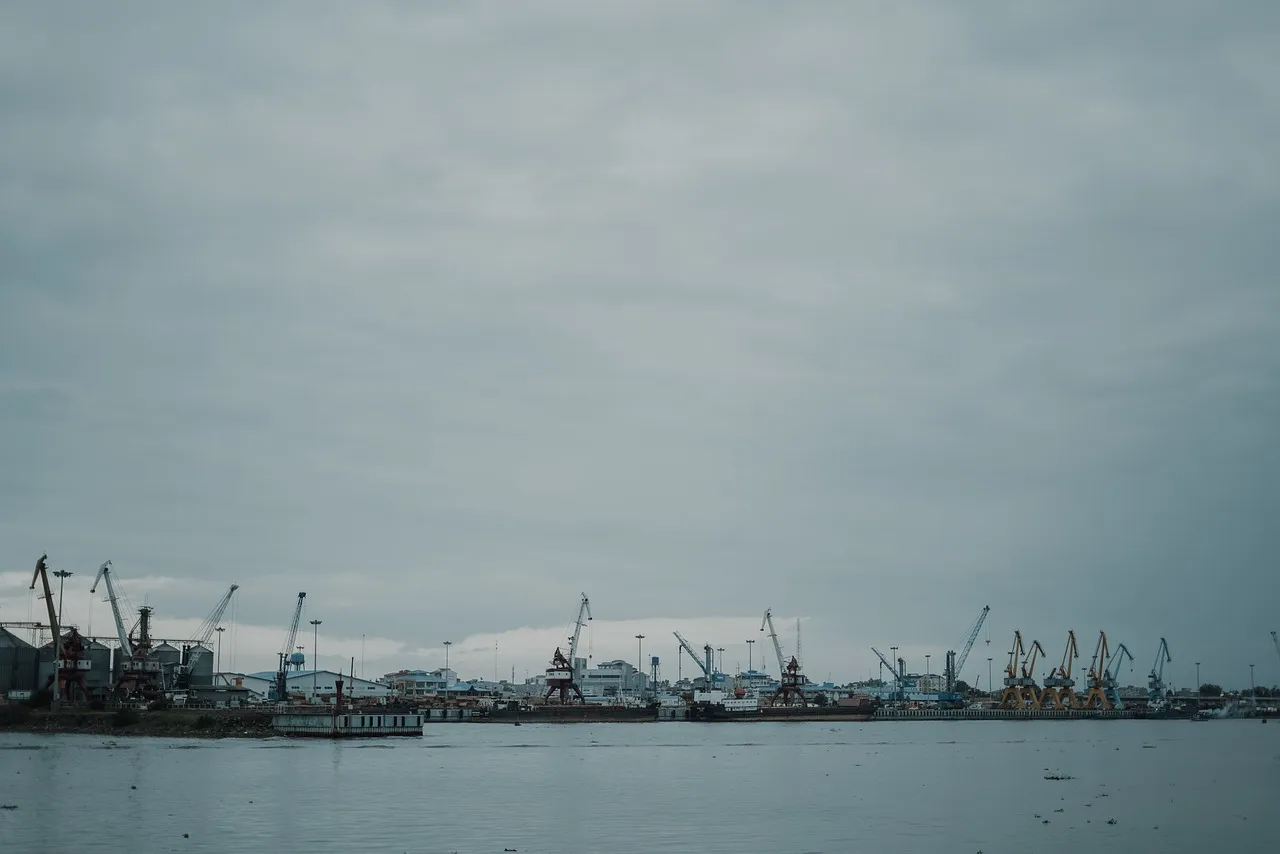
Re-export trade, simply put, is a trade format where goods depart from the country of production, transit through a third country (or region), and finally arrive at the country of consumption. This trade method was originally intended to optimize logistics and reduce costs, but in practice, it can generate a significant amount of "water."
This "water" is mainly reflected in three aspects:
- Repeated calculation in logistics: The same batch of goods is counted multiple times in the import and export data of different countries.
- Grey areas in price transfer: Prices are adjusted through the transit country, affecting final trade data.
- Ambiguity in origin determination: It is difficult to accurately track the true origin of the goods.
Three Major Impacts of "Water" in Re-export Trade
This "water" has profound impacts on the global economy:
Firstly, it distorts real trade data. According to a study, approximately 25% of the global trade volume is from re-export trade, which is a result of repeated calculations. This means the trade data we see may be significantly exaggerated.
Secondly, it affects the formulation of industrial policies. When policymakers make decisions based on distorted data, it can lead to inefficient resource allocation.
Finally, it creates opportunities for tax avoidance. Mr. Qin company, for instance, managed to legally reduce its overall tax burden by cleverly designing re-export routes.
How to Eliminate the "Water" in Re-export Trade?
Facing this situation, the industry is seeking solutions:
- Improve origin certification systems and establish more transparent tracking mechanisms.
- Promote reforms in international trade statistical methods to reduce repeated calculations.
- Strengthen international cooperation to combat illegal activities carried out through re-export trade.
Mr. Qin company, Zhongmao Da, has developed an intelligent logistics system that can more accurately track the movement of goods, providing technical support for reducing trade "water."
Reflection: How Should We View Re-export Trade?
Re-export trade is like a mirror, reflecting both the complexity of globalization and the loopholes in the existing trade system. It is neither a scourge nor a perfect solution; the key lies in how it is regulated and managed.
As ordinary consumers, we may not be able to directly influence international trade rules, but by paying attention to the true origin of goods and supporting companies with transparent supply chains, we can contribute to healthier trade development.
What are your thoughts on re-export trade? Have you encountered any relevant cases? Feel free to share your views in the comment section.

Recent Comments (0) 0
Leave a Reply