In today's global trade wave, re-export trade, as a special mode of trade, is playing an increasingly important role. Among the many links in re-export trade, the control of goods is undoubtedly a key and highly anticipated focus. Today, let's delve into the matter of goods control in re-export trade together.
I. Basic Concept of Re-export Trade
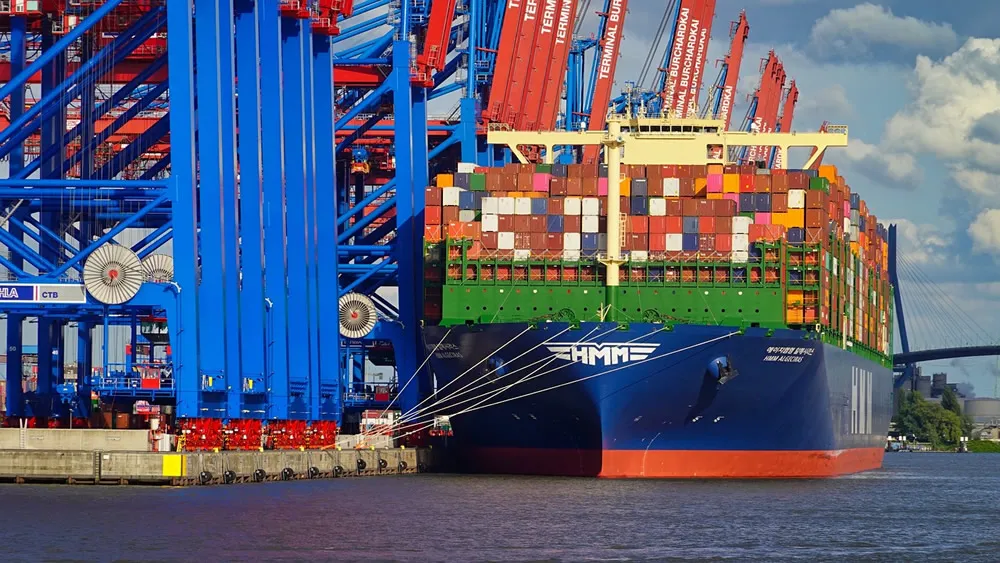
Re-export trade, simply put, is a trade model where the country of origin sells goods to a re-export trader, and then the re-export trader sells the goods to the country of consumption. Its existence is often due to various factors such as trade barriers and tax incentives. In this process, the goods do not directly reach the consuming country from the producing country, but pass through the re-export trader as a "transit station".
II. The Importance of Goods Control
Risk Control: For re-export traders, controlling the goods means better risk management during the trade process. For example, during transportation, if goods are damaged or lost, the party with control can take more timely and effective measures, such as holding the carrier responsible.
Financial Security: Goods control is also closely related to financial security. Only by ensuring effective control of the goods can they be delivered accurately and without error upon receipt of payment or fulfillment of relevant payment conditions, thus avoiding the embarrassing situation of losing both money and goods.
Advancement of Trade Processes: In the entire re-export trade process, goods control is the key to the smooth connection of various links. From the receipt, storage, transshipment, to the final delivery of goods, none of these links can be separated from the clear definition and effective execution of goods control, otherwise, it is easy to lead to confusion and delays in the trade process.
III. How to Achieve Goods Control
- Contractual Agreement: In the relevant contracts for re-export trade, details such as the ownership and transfer conditions of goods control should be clearly stipulated. For example, specific clauses stipulating that goods control is transferred to the re-export trader after the goods are loaded and the bill of lading is obtained.
- Logistics Link Control: By selecting reliable logistics partners and utilizing advanced logistics tracking technology, the transportation status of goods can be monitored in real-time, ensuring that the goods are always within controllable range. For example, using an intelligent warehouse management system for precise monitoring of goods storage.
- Document Management: Keep all types of documents related to the goods properly, such as bills of lading, warehouse receipts, etc. These documents are often important evidence of the ownership of goods control. Ensure the authenticity, completeness, and validity of documents to prevent loss or tampering.
IV. Challenges and Responses
In actual re-export trade, achieving goods control is not always smooth sailing and faces many challenges. For example, differences in laws and regulations in different countries and regions may lead to disputes in the recognition and execution of goods control. In such situations, re-export traders need to thoroughly understand the legal provisions of the relevant countries and regions, and seek the help of professional legal personnel when necessary.
In addition, the complex international logistics environment may also affect the effective realization of goods control. For example, force majeure factors during transportation and inaccurate logistics information. This requires re-export traders to continuously optimize logistics solutions and improve their ability to respond to emergencies.
Re-export trade goods control is a complex issue involving multiple factors, but it is a key link that must be valued and mastered by enterprises and individuals engaged in re-export trade. Only by clearly understanding the importance of goods control and taking effective measures to achieve and maintain it can one move forward smoothly in the wave of re-export trade and achieve one's own trade goals. We hope that in future re-export trade practices, everyone can have a deeper thinking and more proper handling of goods control. We also welcome everyone to discuss this topic and share your experiences and insights.

Recent Comments (0) 0
Leave a Reply