In the current wave of economic globalization, the forms of foreign trade are increasingly diverse. Among them, re-export trade shines like a brilliant pearl, exuding a unique charm and attracting the attention of many practitioners. Today, let us delve into every aspect of re-export trade and unveil its mysterious veil.
I. What Exactly is Re-export Trade?
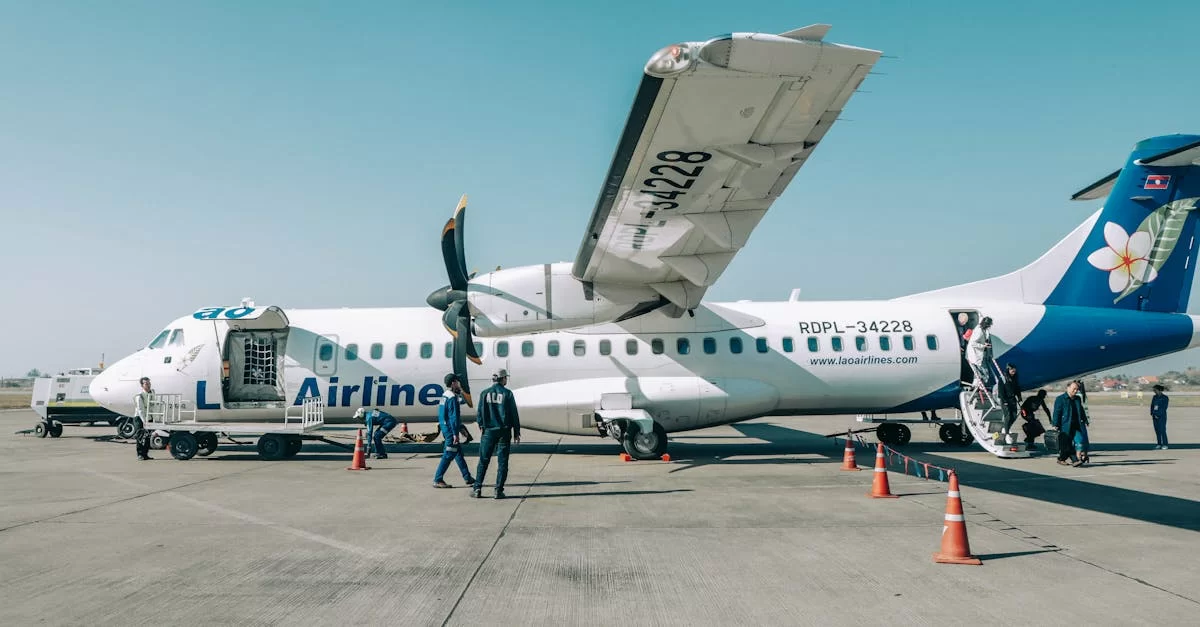
Re-export trade, in simple terms, refers to trade activities conducted between the country of production and the country of consumption through a third country. For example, Country A produces a batch of high-quality electronic products, but due to certain trade policy restrictions or market channel reasons, it cannot directly sell these products to Country C. In this case, Country B acts as an intermediary for re-export trade, first importing these electronic products from Country A and then exporting them to Country C. In this process, Country B does not carry out any substantial processing or modification of the goods; it merely utilizes its trade advantages, such as geographical location and relaxed trade policies, to facilitate the transaction.
II. What are the Advantages of Re-export Trade?
- For the country of production, re-export trade can help it break through trade barriers in the target market. As in the example mentioned earlier, if Country A directly faces high tariffs and other trade restrictions from Country C, it would be difficult for its products to enter the market. Through re-export trade, by leveraging the special trade status of Country B, products can be sold more smoothly, and market share can be expanded.
- For the transit country of re-export trade (like Country B in the above example), it can obtain various benefits from the trade links without investing substantial production resources. This includes driving the development of related industries such as logistics, warehousing, and financial services, increasing employment opportunities and fiscal revenue.
- For the country of consumption, sometimes through re-export trade channels, it can obtain more diverse product choices, and there may also be certain advantages in terms of price due to market competition and other factors.
III. What to Consider When Conducting Re-export Trade?
Firstly, it is essential to have a thorough understanding of the trade policies and regulations of each country. Different countries have varying regulations for re-export trade. Some countries may have strict requirements regarding the origin, destination, and transit time of goods. For instance, when Zhongmaoda conducts re-export trade business, it needs to arrange professional personnel to conduct in-depth research on relevant national policies to ensure that every transaction is legal and compliant.
Secondly, logistics and warehousing are crucial. Re-export trade involves the movement of goods between different countries. Efficient and accurate logistics and warehousing conditions can ensure that goods arrive at their destination on time and in good condition, avoiding delays and damages that could affect the trade process.
Furthermore, risk management cannot be overlooked. Factors such as exchange rate fluctuations, changes in market demand, and trade frictions can all bring risks to re-export trade. Practitioners need to establish a sound risk early warning mechanism and prepare contingency measures in advance to mitigate potential losses.
IV. Future Development Trends of Re-export Trade
With the continuous deepening of global economic integration, re-export trade is expected to maintain its important position and exhibit new development trends. On one hand, technological advancements will further enhance the efficiency of re-export trade. For example, the application of intelligent logistics systems can more accurately track cargo transportation and improve supply chain transparency. On the other hand, the rise of emerging markets will also bring new opportunities for re-export trade. More countries and regions may participate in re-export trade, expanding business scope and market space.
In summary, re-export trade, as an important form of foreign trade, has broad development prospects, but it also faces numerous challenges. We hope that through the introduction in this article, more people will understand the relevant knowledge of re-export trade. We also look forward to more practitioners continuously exploring and innovating in this field, seizing opportunities, and achieving better development. If you have any other questions or insights about re-export trade, feel free to leave a comment in the comment section to share!

Recent Comments (0) 0
Leave a Reply