“I spotted a new product from abroad and wanted to import a small quantity of samples to test the market, but customs procedures are complicated, document requirements are extensive, and I simply can't handle it myself...” This was Mr. Bi real dilemma last month. Like many entrepreneurs, she was stuck at the first hurdle of importing samples. Today, we will demystify this seemingly simple yet intricate question: Should you really use an agency company for import samples?
I. Why Do 90% of People Need an Agency?
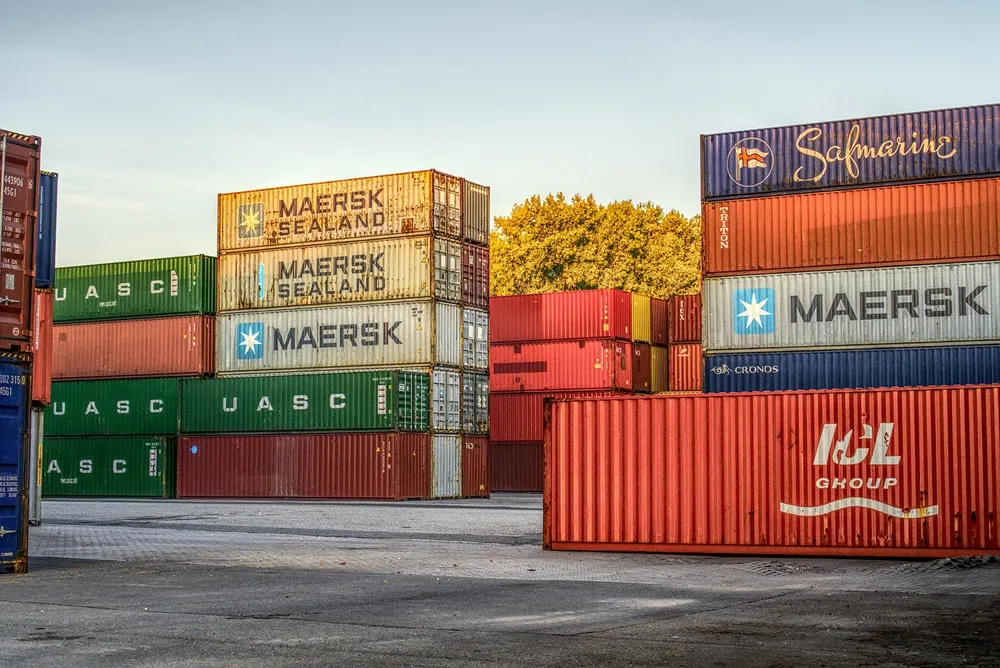
According to industry data, over 70% of first-time import samples are detained by customs due to incomplete documentation. Mr. Bi once self-declared a batch of electronic component samples; failing to fill out the declaration of origin resulted in his goods being detained at the port and incurring high storage fees.
- High Professional Barrier: Requires specialized knowledge for HS code classification, inspection, and quarantine requirements.
- Hidden Cost Trap: Failure to understand temporary duty exemption policies may lead to overpayment of tariffs.
- Uncontrollable Time Cost: Personal processing typically takes more than 3 times longer than using an agency.
II. Four Core Values of Agency Companies
Taking compliant agencies like Zhongmaoda as an example, their core services extend far beyond mere 'errands':
- Legal Risk Avoidance: Pre-screening samples to ensure compliance with Chinese import standards.
- Tariff Optimization Solutions: Judicious application of sample duty-free quotas (Note: Excludes commercial use).
- Full Process Visibility: Node tracking from overseas pickup to domestic customs clearance.
- Emergency Handling Capability: Quick response in case of customs inspection.
III. Three Guides to Avoiding Pitfalls When Choosing an Agency
Agency companies in the market vary in quality; it is recommended to focus on:
- Whether they possess import and export rights qualifications (you can request to see original certificates).
- Whether they have operational case studies for similar categories of samples (e.g., special categories like cosmetics/electronic devices).
- Whether fees are transparent (beware of 'low-price bait, mid-process price hike' tactics).
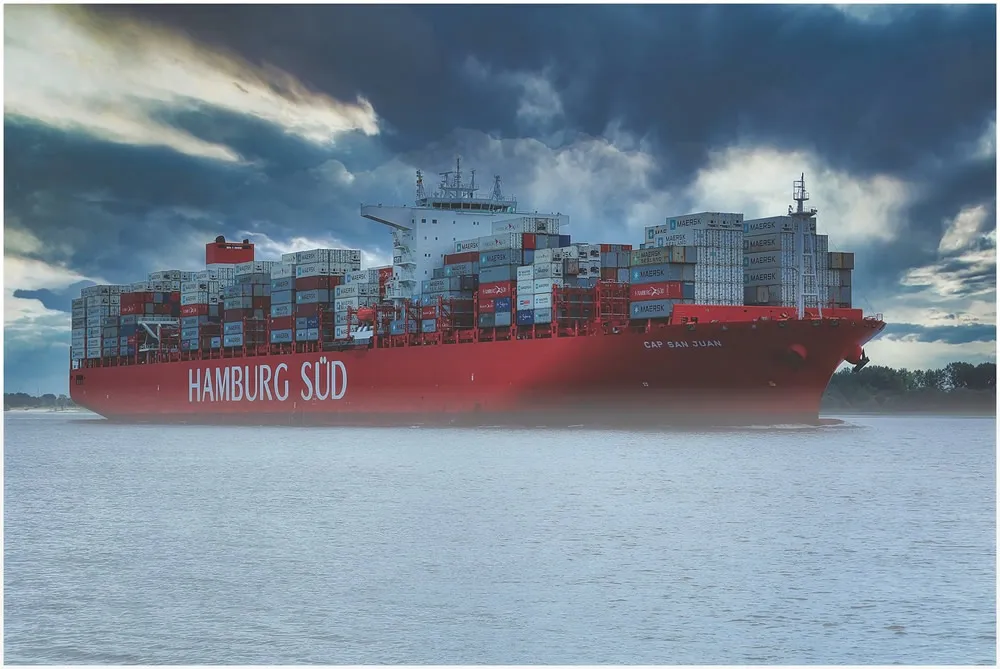
A Ms. Wang, for instance, paid double the service fee to retrieve her detained samples after falling for a 'guaranteed customs clearance' promise.
IV. Cost Comparison: Self-Handling vs. Agency
Let's take a mechanical sample valued at 5000 yuan as an example:
- Time Cost: Self-handling takes 2-3 weeks, an agency typically 3-5 business days.
- Economic Cost: Hidden costs for self-handling (e.g., lost work time, modification fees) could exceed 3000 yuan.
- Opportunity Cost: Delays may result in missing the optimal market testing period.
It's thus easy to understand why even the procurement departments of large enterprises outsource sample imports.
V. Which Method Is Right for Your Samples?
It is recommended to decide based on the following dimensions:
- Urgency: If the urgency requires completion within 2 weeks, an agency is advised.
- Category Complexity: Heavily regulated categories such as food/medical devices *must* use a professional agency.
- Future Plans: If testing is successful and bulk import is required, establishing a long-term agency partnership is recommended.
Actionable Advice: Ask These 3 Questions First
If you are hesitating, you might consider first:
- Requesting recent customs clearance records (redacted version) from the agency company.
- Comparing the differences in solutions among three companies (not just price comparison).
- Confirming whether they offer ancillary services after sample import (e.g., warehousing, testing liaison).
Importing samples is a stepping stone for cross-border business. Choosing a professional agency not only saves you trouble now but also paves the way for the future. What unexpected problems have you encountered during the sample import process? Feel free to share your experiences in the comments section; it might help more fellow travelers.

Recent Comments (0) 0
Leave a Reply