Amidst the wave of global economic integration, export trade, as a vital force driving economic growth, receives widespread attention from enterprises. The export tax rebate policy, like a crucial "booster" in export trade, profoundly influences the operations and development of enterprises. Today, let us delve into the mysteries of export trade export tax rebates together.
What is Export Tax Rebate?
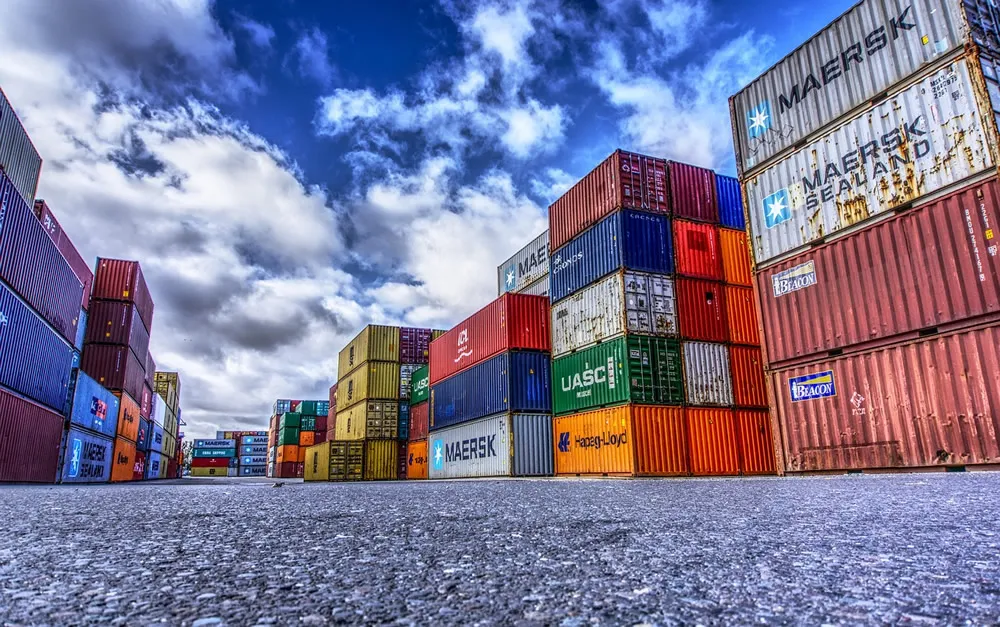
Export tax rebate, simply put, refers to the refund of value-added tax and consumption tax paid in various production and circulation links domestically according to tax laws, for goods declared for export, with the aim of enhancing the competitiveness of export commodities. This policy aims to allow domestic products to enter the international market at a tax-exclusive cost, competing with foreign products under equal conditions. For example, when Zhongmaoda exports a batch of clothing, it has already paid corresponding taxes during the domestic production stage. Through the export tax rebate, this portion of taxes can be refunded, reducing product costs.
The Importance of Export Tax Rebate
For export enterprises, the importance of export tax rebate is self-evident. Firstly, it directly reduces enterprise costs. Taking Zhongmaoda as an example, through export tax rebates, enterprises gain more flexibility in product pricing and can participate in international market competition at more favorable prices. Secondly, export tax rebates increase enterprises' profit margins, allowing them to invest more capital in product research and development, technological innovation, and market expansion. Furthermore, this policy encourages enterprises to expand their export scale, promote domestic products globally, and enhance the share of our country's products in the international market.
Export Tax Rebate Process
- The first step is qualification recognition. Enterprises need to complete the export tax rebate qualification recognition procedures with the local tax authorities within the stipulated time, submitting relevant documents such as business licenses, foreign trade operator registration forms, etc.
- The second step is the declaration phase. After the goods are exported and all relevant documents are collected as per regulations, enterprises declare for export tax rebates to the tax authorities within the prescribed declaration period. Declaration documents usually include export goods customs declarations, export invoices, special VAT invoices, etc.
- The third step is review and approval. After receiving the enterprise's declaration documents, the tax authorities will conduct a strict review, including data comparison and document verification. Upon successful review, approval will be processed according to stipulated procedures.
- The final step is tax rebate processing. After approval, the tax authorities will refund the payable tax amount to the enterprise according to the prescribed procedures.
However, in practical operations, the export tax rebate process may also encounter some issues. For instance, incomplete documents or incorrect data entry can lead to delays or rejections in tax rebate applications. Therefore, when processing export tax rebates, enterprises must carefully prepare their documents to ensure the accuracy of their applications.
Pay Attention to Changes in Export Tax Rebate Policies
Export tax rebate policies are not static; they are adjusted based on national economic situations, industrial policies, and other factors. Enterprises must closely monitor policy changes and adjust their business strategies accordingly. For example, when the state increases the export tax rebate rate for certain products, Zhongmaoda can appropriately expand the export scale of such products; conversely, if the rebate rate decreases, enterprises need to consider optimizing their product structure and seeking new profit growth points.
Export trade export tax rebate is a complex and important policy, closely related to the interests of enterprises. Enterprises should fully understand the export tax rebate policy, be familiar with its operational procedures, and rationally utilize this policy dividend to enhance their competitiveness. At the same time, we also invite everyone to share their experiences and questions regarding export tax rebates in the comment section, to jointly explore how to better utilize this policy to promote the development of export trade.

Recent Comments (0) 0
Leave a Reply