In today's globalized trade environment, re-export trade and quotas are like two mysterious islands, seemingly isolated yet closely connected, profoundly influencing the landscape of international trade. Many may have vaguely heard of them but struggle to truly comprehend their intricacies. Today, let's unveil this veil together.
Re-export Trade: Circumvention Tactics in the Trade Chain
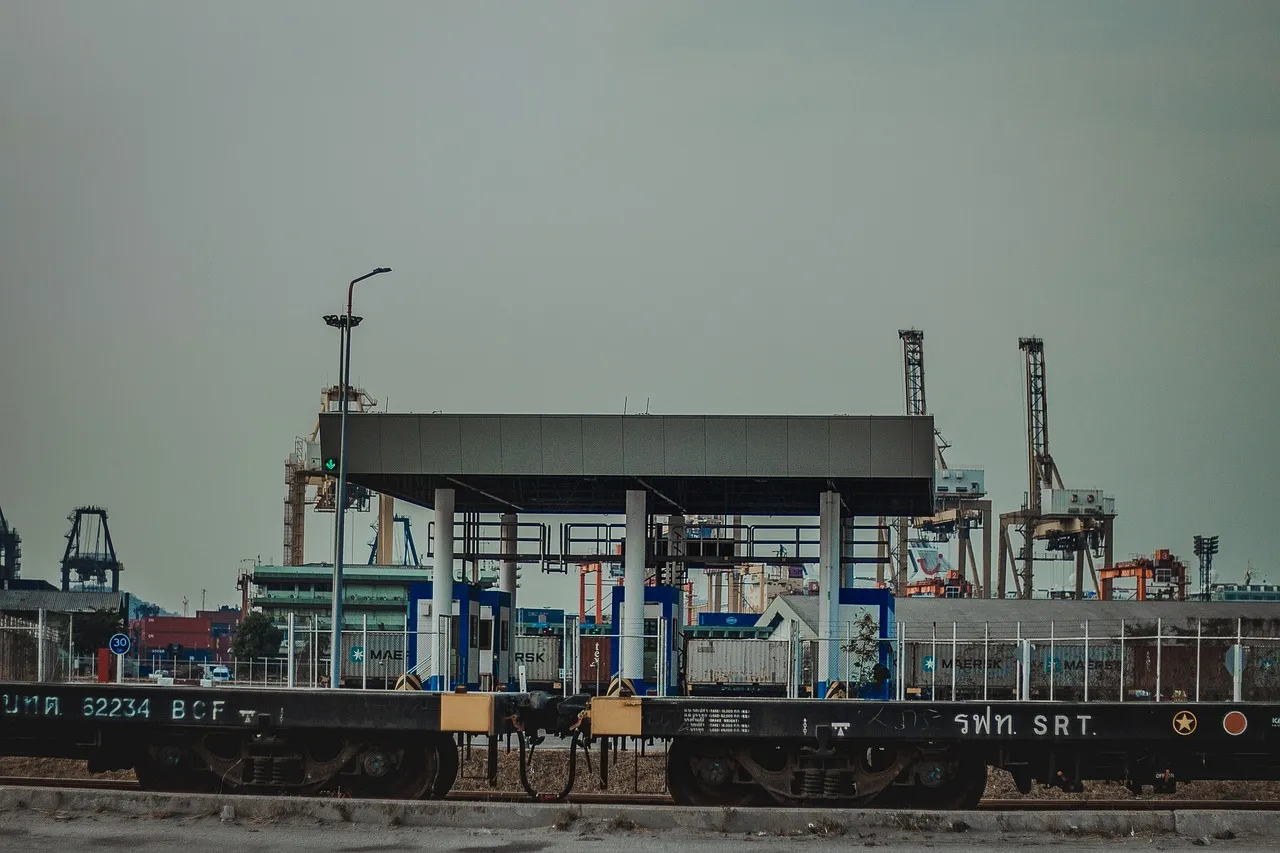
Re-export trade, simply put, refers to the buying and selling of goods not directly between the producing country and the consuming country, but through a third country. Suppose a factory in China produces a batch of specialty textiles, and there is demand for them in the U.S. market. However, for certain reasons, direct trade between China and the U.S. is not possible. In this scenario, Zhongmaoda can first ship the goods to Singapore, perform some commercial operations there, such as repackaging or sorting, and then export them to the U.S.
The reasons for re-export trade are diverse. On one hand, trade restrictions are a significant factor. Some countries have trade barriers, such as high tariffs or trade embargoes. Re-export trade can effectively circumvent these restrictions and reduce trade costs. On the other hand, geographical location and logistical convenience also play a crucial role. Regions like Singapore and Hong Kong, with their advantageous geographical positions and developed logistics infrastructure, become popular re-export trade hubs.
Quotas: The Quantity Regulating Valve of Trade
Quotas, on the other hand, are restrictive measures on the quantity or value of specific goods imported or exported. For example, a certain country, to protect its domestic automobile industry, stipulates that the number of cars imported from abroad each year shall not exceed 100,000 units. These 100,000 units constitute the import quota.
The role of quotas is very significant. From a positive perspective, they can protect domestic industries from excessive impact and provide room for domestic enterprises to develop. For instance, implementing quotas on agricultural products can safeguard the interests of domestic farmers and stabilize agricultural production. However, their negative impacts should not be overlooked. Quotas may lead to higher prices for imported goods, requiring consumers to pay more; they can also trigger trade disputes and affect international trade relations.
The Subtle Relationship Between Re-export Trade and Quotas
When a quota system exists, re-export trade can sometimes become a means to bypass quota restrictions. For example, if country A sets a quota on garment imports from country B, garment enterprises in country B might use re-export trade to first ship the garments to country C, which has no quota restrictions. After some processing, the goods are then exported to country A under the guise of being products from country C, thereby circumventing the quota. However, if such behavior is discovered, it could lead to severe consequences, such as being classified as trade fraud, facing hefty fines, and even impacting normal trade relations between the two countries.
For enterprises, navigating the complex landscape of re-export trade and quotas requires a precise grasp of market dynamics and policy regulations. On one hand, it's essential to fully understand the quota policies of various countries and rationally plan import and export businesses; on the other hand, carefully select re-export trade routes to ensure legal compliance.
Grasp Trade Rules, Explore Trade Opportunities
Re-export trade and quotas are important components of the international trade rule system. They present both challenges and opportunities. In today's ever-changing global trade environment, enterprises and trade professionals need to continuously learn and research, deeply understand the operating mechanisms of re-export trade and quotas, in order to find direction and achieve sustainable development in the complex international trade environment. Let us collectively pay attention to trade dynamics, actively explore compliant trade models, and stand at the forefront of the international trade tide.

Recent Comments (0) 0
Leave a Reply