In the grand landscape of global trade, re-export trade acts as a hidden yet crucial channel, connecting different markets and economies. Are you curious why goods are not shipped directly from the producing country to the consuming country, but are transshipped through a third country? Today, let us unveil the mystery of re-export trade together.
What is Re-export Trade?
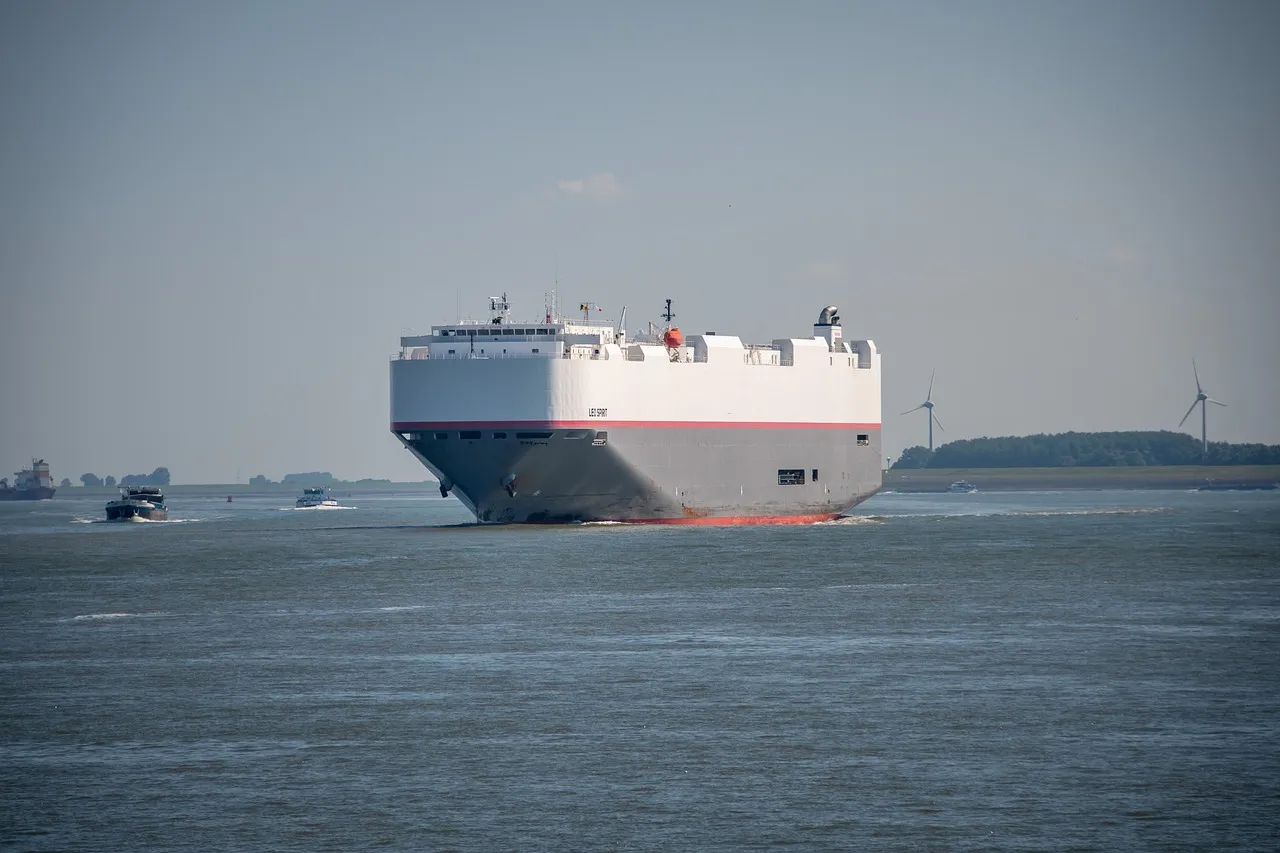
Re-export trade, also known as transit trade, refers to the trade where the buying and selling of imported and exported goods in international trade are not conducted directly between the producing country and the consuming country, but are transacted through a third country. For example, a factory in China produces a batch of toys, which are first shipped to Singapore and then sold from Singapore to the United States. In this process, Singapore plays the role of re-export trade.
The existence of re-export trade is mainly due to the unique advantages of the re-exporting country or region. Regions like Singapore and Hong Kong possess highly developed shipping and logistics systems, convenient transportation, and advanced port facilities, making them ideal for cargo distribution. At the same time, these places offer flexible policies, tax incentives, and comprehensive financial services, attracting a large number of trading companies to conduct re-export business here.
Operation Process of Re-export Trade
The process of re-export trade is relatively complex. First, the importer signs a purchase contract with the re-exporter, and the re-exporter then signs a procurement contract with the actual manufacturer. After the goods are produced, they are shipped to a designated warehouse in the re-exporting country or region. Here, the goods may undergo value-added services such as repackaging and relabeling to meet the market demands of the importing country. Subsequently, the re-exporter ships the goods to the importing country.
For instance, Mr. Zhao is engaged in the re-export trade of clothing. He first receives an order from a US customer, and then places an order with a clothing factory in China for production. After the clothing is produced and shipped to a warehouse in Hong Kong, Mr. Zhao arranges for workers to change the packaging and labels according to the preferences of the US market, and then ships them to the United States.
Advantages and Risks of Re-export Trade
For exporters, re-export trade can help bypass trade barriers. For example, some countries impose high tariffs or import quota restrictions on specific products. Through re-export trade, by leveraging the preferential policies or trade agreements of the re-exporting country, trade costs can be effectively reduced, and market share can be expanded. At the same time, re-export trade can also utilize the financial advantages of the transshipment location to facilitate fund collection, payment, and settlement.
However, re-export trade is not without risks. During the transshipment process, goods may face warehousing risks, such as damage or spoilage. Moreover, re-export trade involves multiple links, and if any link encounters problems, such as transportation delays or discrepancies in documents, it can lead to trade disputes. Furthermore, policy changes can also have a significant impact on re-export trade. If the re-exporting country suddenly adjusts its tax policies or trade rules, businesses may face a substantial increase in costs.
Future Outlook of Re-export Trade
With the advancement of global economic integration, the trade environment is constantly changing, and re-export trade will face new opportunities and challenges. On one hand, the rise of emerging markets and the increase in regional trade agreements create broader space for re-export trade. On the other hand, the rise of trade protectionism and the development of digital trade require companies engaged in re-export trade to constantly adjust their strategies and enhance their competitiveness.
In summary, as an important component of international trade, re-export trade, although complex and full of variables, can still find development opportunities in this unique field as long as companies can grasp the patterns and effectively respond to risks. We hope this article will provide you with a deeper understanding of re-export trade. If you have any insights on re-export trade, you are welcome to discuss them together.

Recent Comments (0) 0
Leave a Reply