In today's era of globalization, import and export trade is flourishing, and import and export logistics acts as that solid and indispensable bridge, closely connecting markets around the world. Have you ever wondered how the dazzling array of imported goods, despite crossing vast distances, accurately appears on our shelves? Or how our high-quality domestic products smoothly reach overseas consumers? Today, let us delve into the captivating and challenging field of import and export logistics.
I. Key Links in Import and Export Logistics
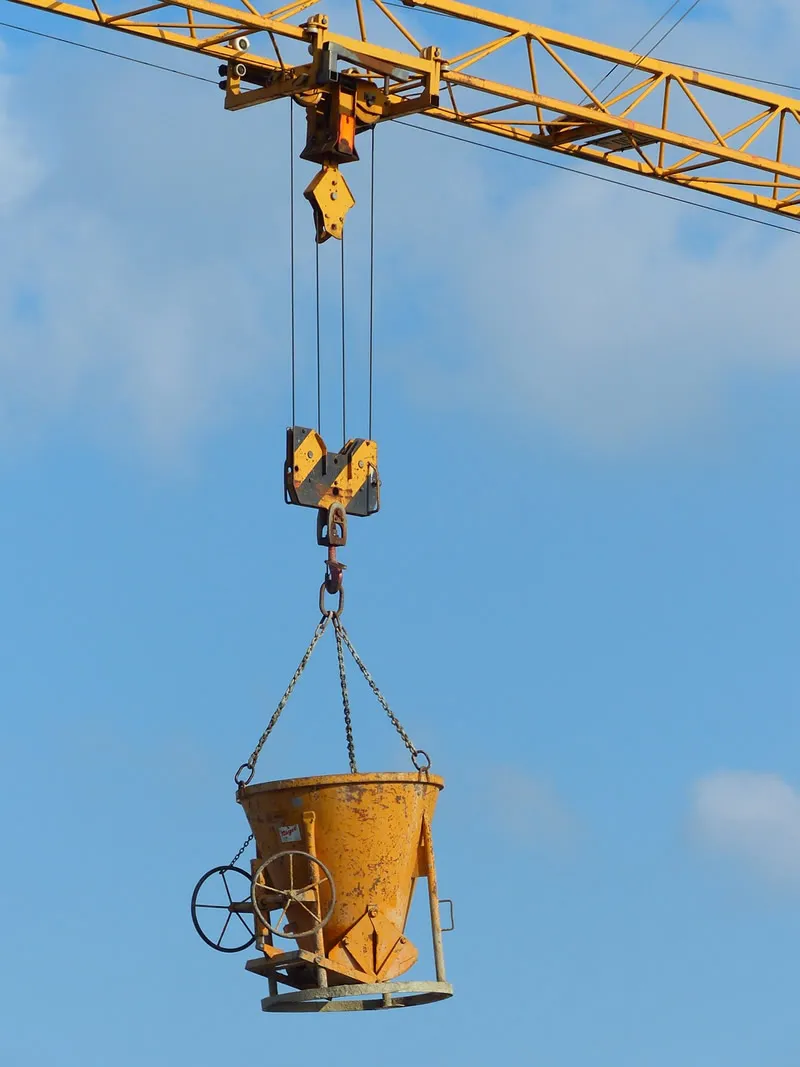
Import and export logistics encompasses numerous critical links, each of which is vital. First is the transportation link, which includes various modes such as sea freight, air freight, and land transportation. Sea freight is generally suitable for transporting large volumes of goods, with relatively lower costs but longer transit times. Air freight is fast and can meet the transportation needs of goods with high time-sensitivity requirements, but it is also more expensive. Land transportation plays an important role in trade between neighboring countries, for example, through road or rail transport of goods.
Customs declaration and clearance are also indispensable. When goods enter or exit a country, they must undergo a series of procedures such as declaration and inspection in accordance with the customs regulations of each country. This requires professional knowledge and rich experience to ensure that goods can pass through customs smoothly and avoid delays or other risks caused by procedural issues.
The warehousing link is equally important, requiring suitable storage facilities for goods at both the origin and destination. Good warehouse management can ensure the quality and safety of goods, and goods can be dispatched in a timely manner according to market demand.
II. Challenges Faced by Import and Export Logistics
Import and export logistics is not always smooth sailing; it faces numerous challenges. Among these, changes in the international landscape are a significant factor. Adjustments in trade policies and fluctuations in international relations can all impact import and export logistics. For instance, trade friction between certain countries may lead to increased tariffs, transportation restrictions, and other issues, putting considerable pressure on logistics companies.
Controlling logistics costs is another major challenge. Fluctuations in fuel prices, maintenance costs for transportation equipment, and labor costs are constantly changing. How to effectively reduce logistics costs while ensuring service quality is a problem that many logistics companies continuously need to consider and solve.
Furthermore, the tracking and management of logistics information is also a difficulty. During the transportation of goods, it is necessary to grasp the location, status, and other information of the goods in real-time to promptly address any potential issues. However, due to the involvement of logistics systems in different countries and regions, the integration and sharing of information often presents certain difficulties.
III. Zhongmaoda's Advantages in Import and Export Logistics
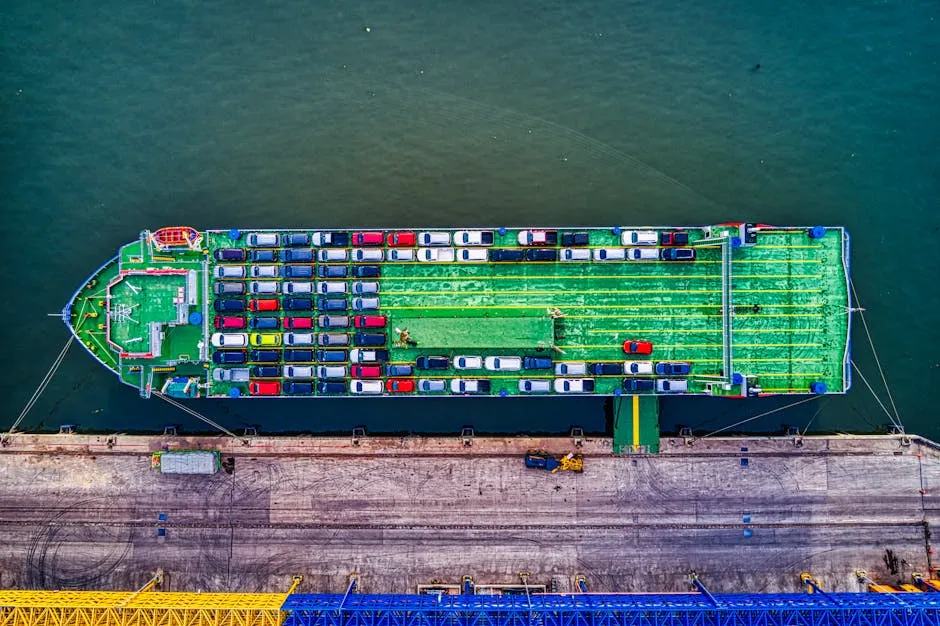
In the highly competitive field of import and export logistics, Zhongmaoda stands out with its numerous advantages. Zhongmaoda boasts a professional team whose members possess extensive experience and expertise in the logistics industry, enabling them to adeptly handle various complex logistics operations.
In terms of transportation resources, Zhongmaoda has established long-term and stable cooperative relationships with several well-known transportation companies. Whether it is sea, air, or land transportation, they can provide customers with diverse options, ensuring that goods are transported in the most suitable manner.
Moreover, Zhongmaoda excels in customs declaration and clearance. They are familiar with the customs policies of various countries and can efficiently and accurately handle customs declaration and clearance procedures for clients, significantly reducing customs clearance time and lowering clearance risks.
IV. Future Development Trends in Import and Export Logistics
Looking ahead, import and export logistics will also exhibit several new development trends. With continuous technological advancements, intelligent logistics will become mainstream. For example, Internet of Things (IoT) technology can enable real-time tracking and monitoring of goods, enhancing the transparency and accuracy of logistics information.
Green logistics is also receiving considerable attention, with reducing energy consumption and environmental pollution during the logistics process being an important future development direction. Logistics companies will continuously explore the use of more environmentally friendly transportation methods and packaging materials.
In addition, the rapid development of cross-border e-commerce will further drive the transformation of import and export logistics. Cross-border e-commerce demands higher timeliness and service quality from logistics, which will prompt logistics companies to continuously improve their service levels and capabilities.
Import and export logistics plays a pivotal role in global trade. Although it faces numerous challenges, it also holds broad development prospects. Both businesses and consumers should gain a deeper understanding of it. It is hoped that through today's discussion, everyone will gain a new perspective on import and export logistics, and we also look forward to everyone paying more attention to and valuing this important field in future trade activities. What are your thoughts on the future development of import and export logistics? Feel free to leave a comment in the comment section to discuss!

Recent Comments (0) 0
Leave a Reply