"Why does the same bag cost 10,000 abroad but 15,000 domestically?" Mr. Gong recent complaint on WeChat sparked a heated discussion. The price disparity of imported goods often leaves consumers exclaiming, "I just don't get it." Behind this lies the crucial role of import duties. Today, we will lift this mysterious veil and see how it impacts your wallet and business choices.
The "Triple Identity" of Import Duties
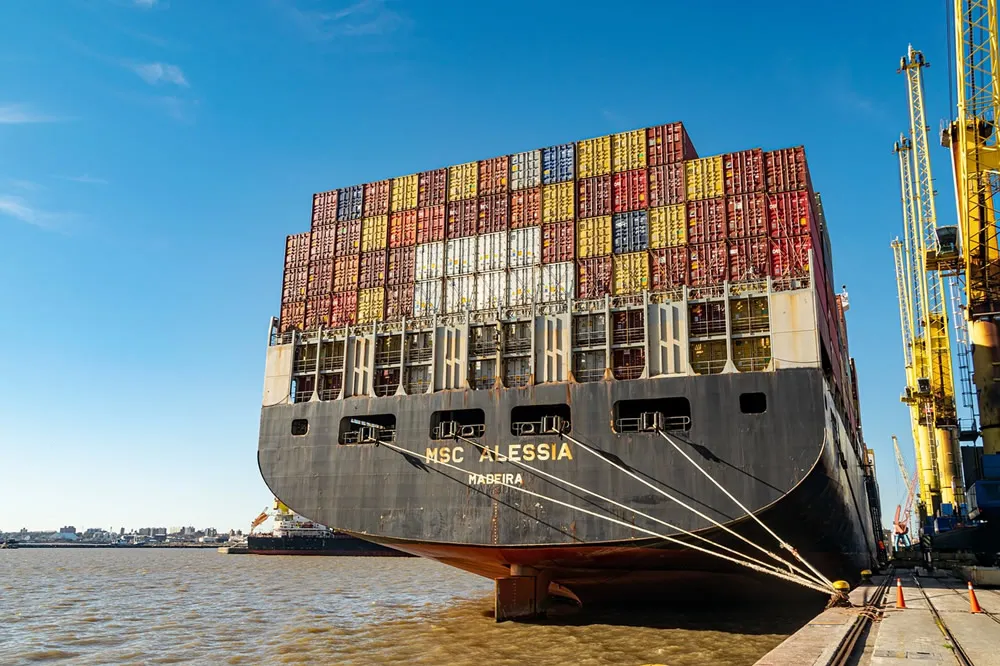
Import duties are not only a significant source of national revenue but also an invisible lever for economic regulation:
- Economic Gatekeeper: Protects domestic industries through differentiated tax rates, such as imposing higher duties on imported cars;
- Consumer Barometer: Lowering tax rates on mother and baby products to make milk powder cheaper, and increasing tax rates on luxury goods to guide rational consumption;
- Trade Negotiation Chip: Zhongmao Da foreign trade experts point out that "mutual tariff concessions in free trade agreements are often core clauses."
The "Unclear Price Addition"
Mr. Gong experience of paying import duties on cross-border shopping is not isolated. The actual cost includes:
- Basic Duty (ranging from 5% to 50%)
- Value-Added Tax (13% or 9%)
- Consumption Tax (applicable to specific high-end items like watches)
Taking a watch with a dutiable value of 10,000 yuan as an example, if subject to a 20% duty, 13% VAT, and 20% consumption tax, the final tax can exceed 60% of the original price.
The "Hidden Hurdles" for Business Customs Clearance
Zhongmao Da's case library shows that importers often face:
- Origin certification traps (significant duty rate differences for the same product from different origins)
- Classification disputes (e.g., whether "smart wearable devices" belong to electronics or medical devices)
- Exchange rate fluctuation risks (duties are calculated based on the exchange rate on the declaration date)

One classification dispute even led a company to overpay 3 million yuan in taxes, and it took 8 months to get a refund.
Your Next Purchase Can Actually Be Smarter
Mastering these tips can help you save money:
- Pay attention to annual tariff adjustments (frozen pork tariff dropped from 12% to 8% in 2023)
- Make good use of personal duty-free allowances (cross-border shipping limit is 5,000 yuan)
- Choose stores in free trade pilot zones (enjoy tariff reduction policies)
Next time you see a price tag, consider: How much of this "price formula" is contributed by import duties? Welcome to share your cross-border shopping stories in the comment section; your experience might help others avoid detours.

Recent Comments (0) 0
Leave a Reply