In the tide of economic globalization, re-export trade, with its unique advantages, has become an important way for many enterprises to expand into international markets. Dongguan, a vibrant manufacturing city, also demonstrates strong competitiveness in the field of re-export trade. However, many businesses involved in Dongguan's re-export trade share a common question: what exactly are the costs of re-export trade in Dongguan? Today, let us delve deeper and clear the fog for you.
Analysis of Re-export Trade Cost Components
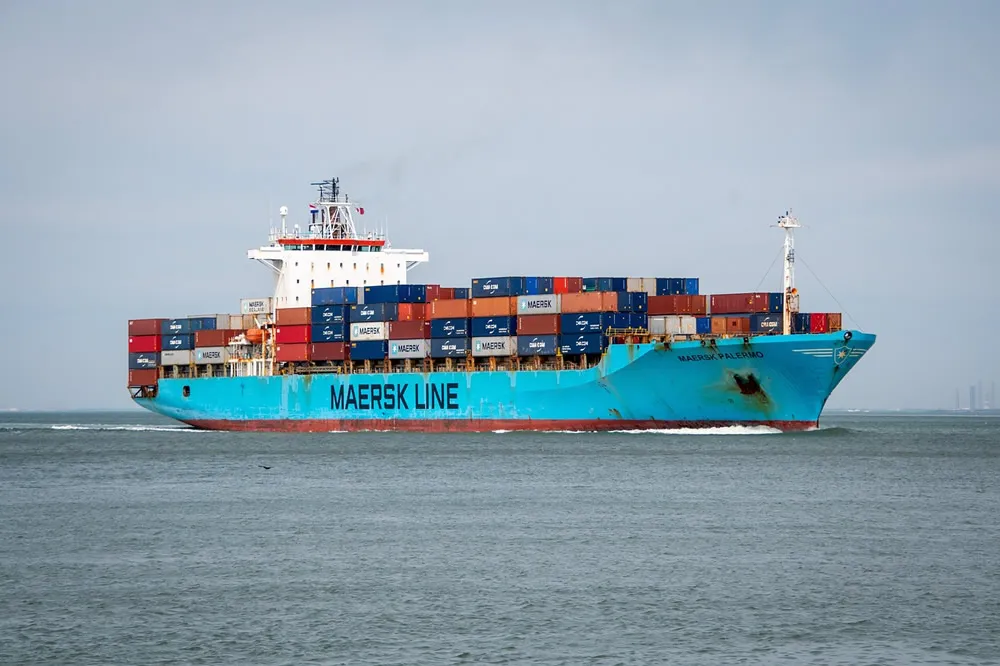
The costs of re-export trade in Dongguan are not a single item but are composed of multiple parts. The first is logistics and transportation costs, which include the cost of transporting goods from the origin to the port of Dongguan, and the cost of transshipment from the port of Dongguan to the destination. The choice of transportation method significantly affects this part of the cost. Sea freight is relatively low-cost and suitable for large volumes of goods; air freight is fast but more expensive, often used for high-value, time-sensitive goods.
Secondly, there are warehousing costs. When goods are in transit in Dongguan, they may need to be stored in a warehouse for a period of time. The type of warehouse (general warehouse, temperature-controlled warehouse, etc.) and the length of storage time determine the warehousing costs. In addition, there are customs declaration and inspection fees, which are necessary for goods to legally enter and exit the country. Related handling fees and agency fees constitute this part of the cost.
Key Factors Affecting Costs
The type of goods is one of the important factors affecting re-export trade costs. Different goods have different transportation requirements and warehousing conditions, and their costs naturally vary. For example, the transportation and warehousing costs of dangerous goods such as flammables and explosives are much higher than those of ordinary goods. Trade volume should not be overlooked. Large volumes of goods often enjoy certain discounts in transportation and warehousing, reducing unit costs. Trade routes are also crucial. If it is a relatively unpopular or difficult-to-transport route, the costs will increase accordingly.
Furthermore, changes in policies and regulations may also affect re-export trade costs. Adjustments in tariff policies and changes in import and export restrictions may lead to fluctuations in costs such as customs declaration and inspection.
Effective Strategies for Cost Reduction
For enterprises, reducing re-export trade costs is key to increasing profit margins. Optimizing logistics plans is the primary measure. By cooperating with professional logistics service providers, comprehensively considering factors such as transportation time and cost, and selecting the most suitable transportation methods and routes. Rational planning of warehousing and minimizing the time goods stay in the warehouse can also effectively reduce warehousing costs.
At the same time, enterprises can actively pay attention to changes in policies and regulations, and make preparations in advance to avoid additional costs caused by policy adjustments. In addition, cooperating with reliable trade agents, such as Zhongmaoda, and utilizing their professional advantages and resource integration capabilities can also help reduce overall re-export trade costs.
Conclusion and Reflection
Dongguan re-export trade costs are influenced by a comprehensive set of factors and there is no fixed standard. When conducting re-export trade, enterprises need to fully understand the cost components and influencing factors, and develop the most suitable trade plan based on their actual situation. By reducing costs through reasonable strategies, they can gain an advantage in fierce market competition. It is hoped that business owners can accurately grasp the cost expenses and achieve stable enterprise development on the path of exploring Dongguan's re-export trade.

Recent Comments (0) 0
Leave a Reply