When Mr. Yang first tried to sell electronic products made in China to Vietnam, he thought that as long as the products were good enough, he could open up the market. But reality taught him a lesson – complex customs clearance procedures, unfamiliar tax policies, and communication barriers caused by cultural differences almost killed the business. It wasn't until he found a professional Vietnamese import and export agency company that he truly understood the weight of the phrase "Leave professional matters to professionals."
Why Do You Need a Vietnamese Import and Export Agent?
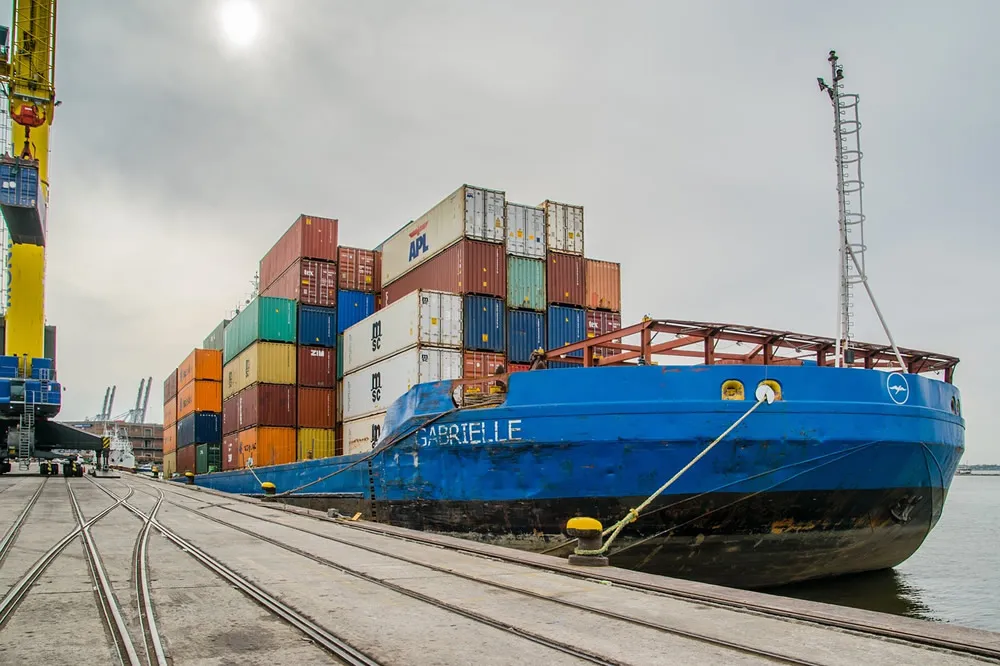
As one of Southeast Asia's fastest-growing economies, Vietnam's total import and export volume exceeded 700 billion USD in 2022. But behind the prosperity lie numerous challenges:
- Customs clearance document requirements are strict, and even a slight oversight can cause delays.
- Tax policies are frequently adjusted, making it difficult for businesses to keep up in real time.
- The logistics network is fragmented, leading to persistently high inland transportation costs.
Mr. Yang garment foreign trade company once, due to a lack of understanding of Vietnam's Rules of Origin, had an entire batch of goods detained for two weeks, incurring losses of over 100,000 yuan.
Core Value of Agency Companies
Professional Vietnamese import and export agents can provide three key services:
- Compliance Navigation: Real-time updates on policy changes such as HS codes and free trade agreements.
- Cost Optimization: Reducing overall costs through tariff planning and logistics solutions.
- Risk Management: Anticipating and avoiding business disputes caused by cultural differences.
Taking Zhongmaoda as an example, its unique "dual-location service team" model (Chinese consultants + local Vietnamese execution) can effectively resolve time zone differences and language barriers in cross-border collaboration.
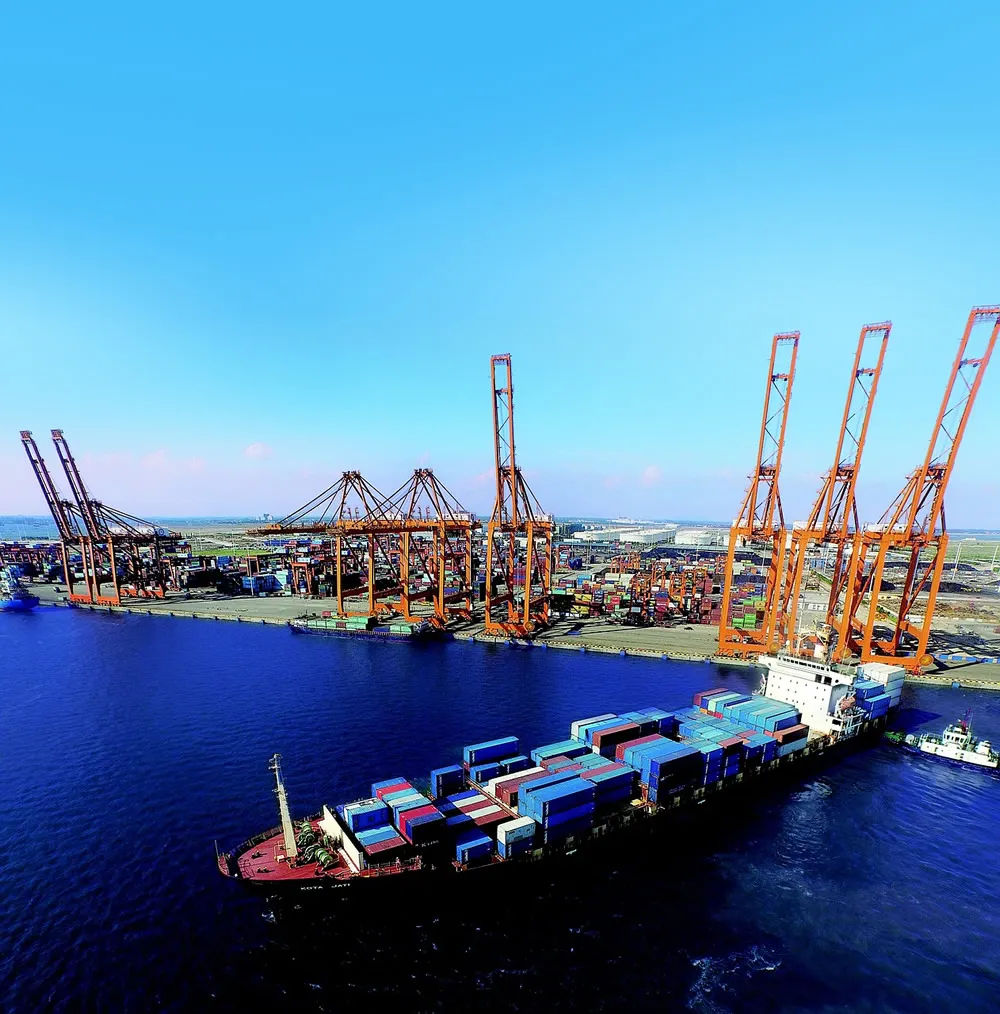
Five Golden Rules for Choosing an Agent
The quality of agency companies in the market varies, so it is recommended to focus on the following aspects:
- Whether it holds Vietnam Customs AEO certification.
- Whether local warehousing facilities have bonded functions.
- Whether its crisis handling case library is comprehensive.
- Whether its fee structure is transparent.
- Whether it can provide end-to-end digital tracking.
A certain electromechanical exporter, due to trusting a low-price agent, encountered "hidden fees," ultimately paying 37% more than the quoted price.
The Future is Here: Digital Agency Services
With the deepening implementation of RCEP, a new generation of agency companies is undergoing transformation:
- Blockchain technology for real-time document verification.
- AI early warning systems to monitor policy changes.
- Digital twin technology to simulate logistics routes.
As one industry professional put it, "Future competition isn't about who is cheaper, but who can provide customers with 'seamless customs clearance.'"
Have You Chosen the Right Cross-border Partner?
Standing at the threshold of the Vietnamese market, you might still be hesitating: should you build your own team or entrust an agent? You might want to answer three questions first:
- How long of a trial-and-error period can you afford?
- Does your team have the ability to interpret Vietnamese legal documents?
- Do you have contingency plans for sudden inspections?
Feel free to share your cross-border experiences in the comments section or send a private message to get the Vietnam Import and Export Compliance Self-Assessment Checklist. In the next issue, we will reveal how to bypass trade barriers through re-export from Vietnam, stay tuned!

Recent Comments (0) 0
Leave a Reply