In the global commercial tide, export business is like a bridge connecting domestic enterprises with international markets, holding infinite business opportunities. However, handling exports is not easy; it involves many complex steps and considerations. Today, let us delve into the key points of handling exports together.
Preparations Before Handling Exports
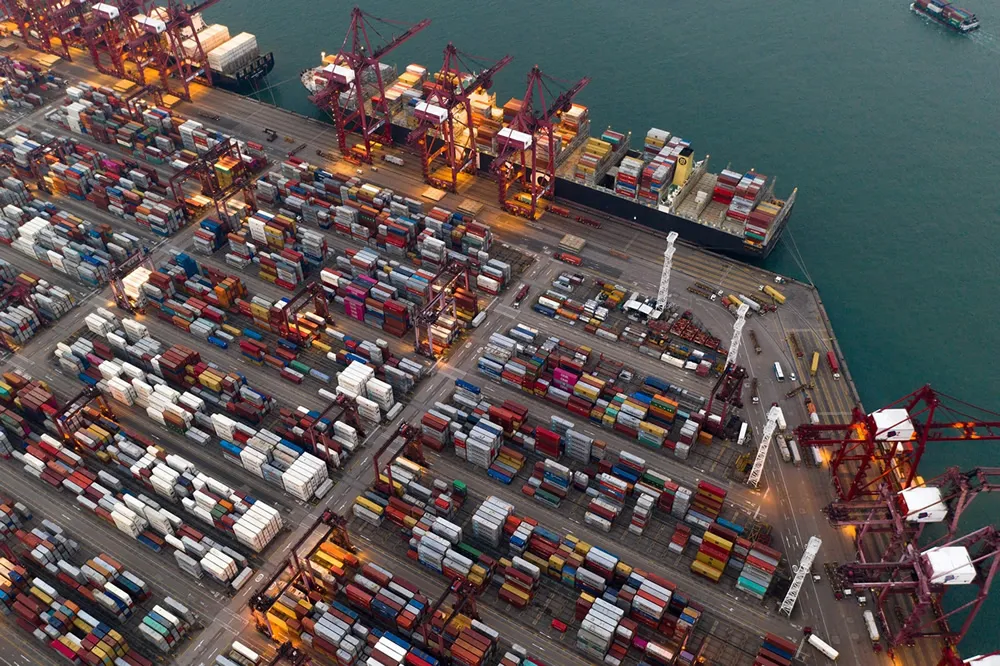
Firstly, enterprises must make thorough preparations themselves. Among these, enterprise qualification review is paramount. Enterprises need to ensure they have completed business registration, possess legal operating qualifications, and have handled tax registration as required. Additionally, they must obtain import and export operating rights, which usually requires filing a record with the commerce department. After approval, enterprises are qualified to engage in the import and export of goods.
Secondly, research on the target market is indispensable. Market demands, consumption habits, and policy regulations vary greatly across different countries and regions. For example, Mr. Lan company plans to export electronic products to Europe, so it must understand the EU's environmental standards and safety certifications for electronic products to ensure the products meet local market access conditions and avoid trade barriers due to unfamiliar rules.
Detailed Explanation of Export Procedures
When preparations are complete, the actual export process begins. The first step is to sign a contract with overseas customers. Contract terms must be clear and concise, covering key information such as product specifications, quantity, price, delivery period, and payment methods. Take Mr. Lan foreign trade company as an example; due to ambiguous wording in the payment terms when signing with an American client, disputes arose during subsequent payment collection, causing losses to the company.
Next is cargo preparation and inspection. Enterprises organize production or procure goods according to contract requirements and ensure product quality meets standards. If the goods fall within the scope of statutory inspection and quarantine, an application for inspection must be submitted to the Entry-Exit Inspection and Quarantine Bureau, and relevant inspection and quarantine certificates must be obtained to prove that the products comply with relevant standards.
After completing the inspection declaration, it's time for customs declaration. Enterprises need to fill out a customs declaration form, along with commercial invoices, packing lists, bills of lading, and other documents, to declare export goods to the customs. Once the customs verifies the documents and goods are in order, they will be released. During this process, enterprises must strictly abide by customs regulations and declare cargo information truthfully; otherwise, they will face penalties.
After the goods leave the country, enterprises must promptly handle export remittance verification and tax refund procedures. Export remittance verification ensures that the export proceeds are received in a timely and full manner; export tax refund is a measure by the state to encourage exports, where tax authorities refund the domestic value-added tax or consumption tax and other indirect taxes paid in the production and circulation stages before export to the export enterprise for goods that have been declared and have left the country.
Risk Mitigation Strategies
Handling export business also faces various risks. For instance, market risks; international markets are volatile, and currency fluctuations, changes in market demand, and other factors can affect export profits. Enterprises can cope with exchange rate risks through financial instruments such as hedging and strengthen market research to grasp market dynamics.
Another example is credit risk; overseas customers may default on payments or even go bankrupt. In response, enterprises can conduct credit investigations on customers through credit insurance institutions and choose payment methods reasonably, such as using letters of credit, to reduce credit risk.
In conclusion, although handling export business is full of challenges, as long as enterprises make thorough preparations, are familiar with the procedures, and actively respond to risks, they can open up a vast territory in the international market and let their products go global. Do you also have unique experiences or have encountered difficulties in the process of handling export business? Welcome to share and exchange in the comment section.

Recent Comments (0) 0
Leave a Reply