On the vast stage of international trade, the concepts of re-export trade and transit trade are frequently mentioned, yet many people are not entirely clear about their specific meanings and differences. Today, let us delve deeply into these two forms of trade and unveil their mysteries.
I. What Exactly is Re-export Trade?
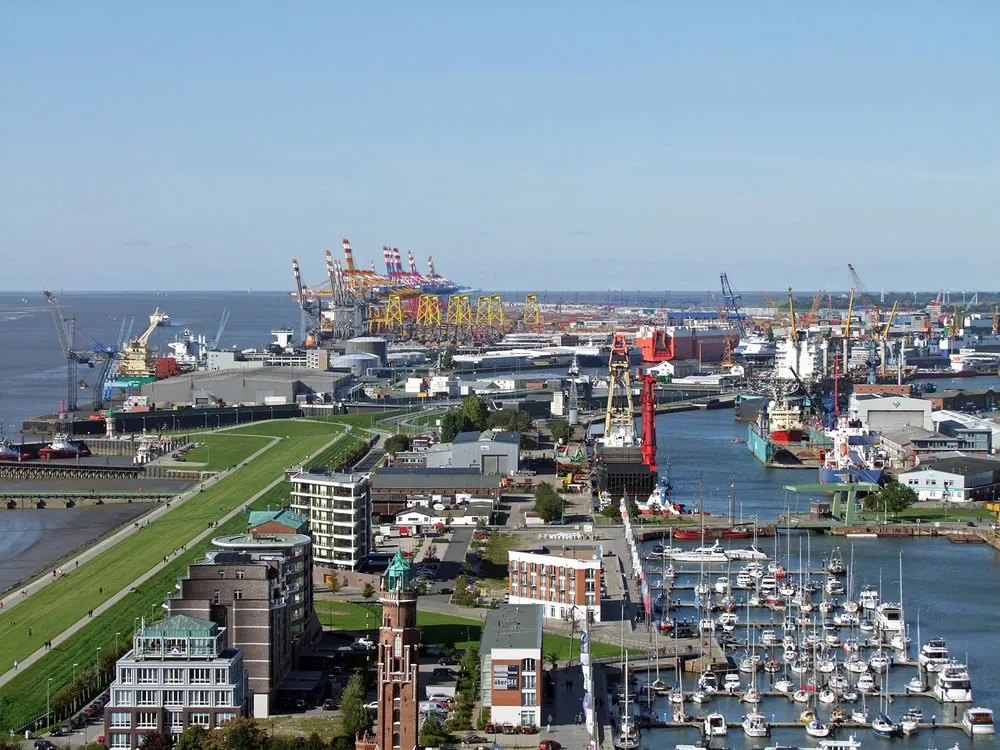
Re-export trade, in simple terms, refers to trade activities conducted through a third country between the country of production and the country of consumption. For example, Country A produces a batch of specialty goods, but instead of selling them directly to consumers in Country B, it first sells them to traders in Country C, who then resell these goods to consumers in Country B. In this process, what Country C engages in is re-export trade.
The emergence of re-export trade often stems from various reasons. On one hand, it may be due to certain political or economic factors that prevent direct trade between the producing and consuming countries, necessitating the involvement of a third country to complete the transaction. On the other hand, the third country may possess unique advantages in trade policies, geographical location, or logistics and transportation, which can better facilitate the circulation and exchange of goods.
II. What are the Characteristics of Transit Trade?
Transit trade places a greater emphasis on the transit link during the transportation of goods. It refers to a form of trade where goods, during their journey, need to stop at an intermediate point for operations such as unloading, loading, or storage, before continuing to their destination. For instance, a batch of goods being shipped from Country D to Country E, due to the long distance, may need to transit at a port in Country F for refueling, changing transportation modes, or necessary cargo consolidation. The trade activities involving the port in Country F here fall within the scope of transit trade.
Transit trade is of significant importance for the efficiency of logistics and transportation, as well as for ensuring the safety of goods. An appropriate transit point can optimize transportation routes, reduce transportation costs, and at the same time ensure that goods are properly handled and stored during long-distance transit.
III. What are the Differences Between Re-export Trade and Transit Trade?
- Firstly, in terms of trade participants, re-export trade involves traders from three different countries, namely the producing country, the re-exporting country, and the consuming country; whereas transit trade primarily involves the transportation entities and service providers related to logistics and warehousing in the transit location, with relatively less complex trade participants.
- Secondly, in terms of trade objectives, re-export trade is mainly aimed at facilitating the buying and selling of goods between the producing country and the consuming country through a third country; while transit trade is aimed at ensuring the smooth progress of goods during transportation and addressing various practical issues in long-distance transit.
- Finally, in terms of operational procedures, re-export trade requires a series of commercial operations such as signing trade contracts and transferring ownership of goods; transit trade focuses more on the logistics aspects of loading, unloading, storage, and transshipment of goods at the transit point.
IV. Their Importance in International Trade
Both re-export trade and transit trade hold indispensable positions in today's international trade landscape. Re-export trade offers more possibilities and flexibility for trade exchanges between different countries, especially when facing trade barriers or special trade demands, it can cleverly circumvent obstacles and achieve the global circulation of goods. Transit trade, on the other hand, is a crucial link in ensuring the smooth flow of international trade logistics, enabling goods to reach their destinations more efficiently and safely, and promoting the stable operation of global industrial and supply chains.
For enterprises engaged in international trade, or individuals concerned about global economic development, a thorough understanding of re-export trade and transit trade knowledge will help to better grasp the pulse of international trade and make more informed decisions in the increasingly complex international economic environment. We hope that in future learning and work, everyone can pay further attention to these two important forms of trade and jointly explore their applications and development in different scenarios.

Recent Comments (0) 0
Leave a Reply