On the grand stage of international trade, export agents play a crucial role. For many businesses or individuals looking to expand into overseas markets but overwhelmed by the complex export procedures, export agents are like their capable assistants. However, a common question that arises is: How much do export agents generally charge in agent fees? Today, let's have a good chat about this.
I. Numerous Factors Affecting Export Agent Fees
1. Type and Value of Goods
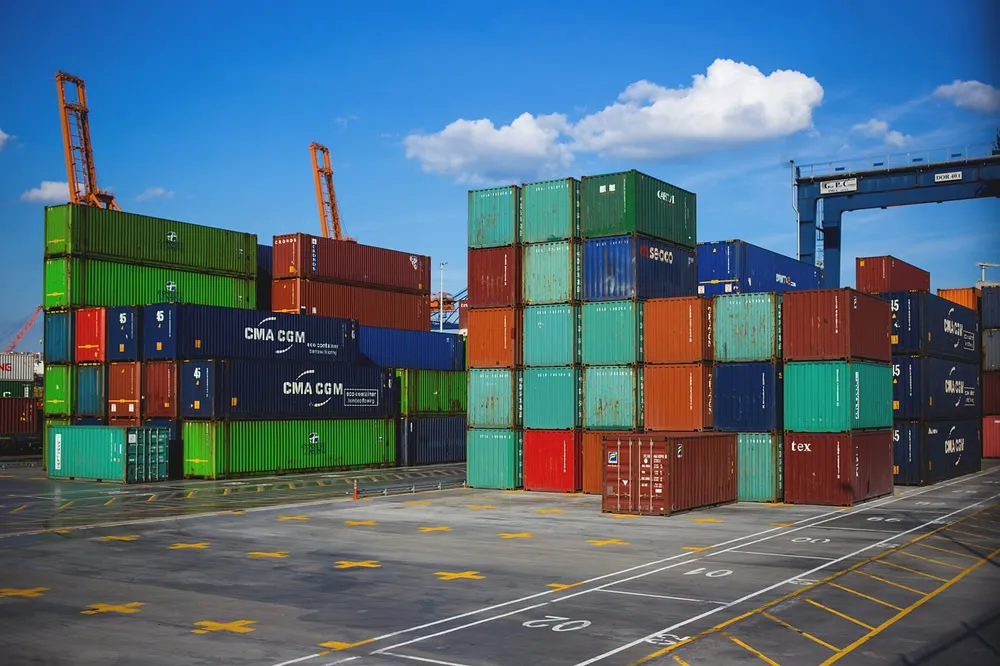
The complexity of export operations can vary significantly depending on the type of goods. For instance, for ordinary daily necessities, the export process is relatively straightforward. However, if it involves specialized goods like high-tech products or hazardous chemicals, it requires more professional handling and qualification reviews, which undoubtedly increases the workload and risks for the export agent, thus potentially leading to higher fees. Furthermore, the higher the value of the goods, the generally higher the agent fees will be, as the responsibilities involved in fund circulation and other aspects are also greater.
2. Export Destination
The world is vast, and different countries and regions have different trade policies and customs regulations. If the export destination is a place with relatively relaxed trade policies and simple customs procedures, the export agent's operations will be relatively easy, and the fees may be more conventional. However, if exporting to countries or regions with extremely strict import requirements and volatile policies, the agency company must invest more effort in researching and responding to various situations to ensure smooth customs clearance of goods. In such cases, the fees will naturally increase.
3. Scope of Services Provided
Some export agents may only provide basic services such as customs declaration and booking, while others can offer a complete set of export services, from finding clients and signing contracts to logistics and after-sales tracking. Clearly, the more comprehensive and in-depth the services provided, the higher the costs in terms of labor and resources incurred by the export agent, and correspondingly, the higher the agent fees will be.
II. Common Export Agent Fee Structures
1. Percentage of Cargo Value
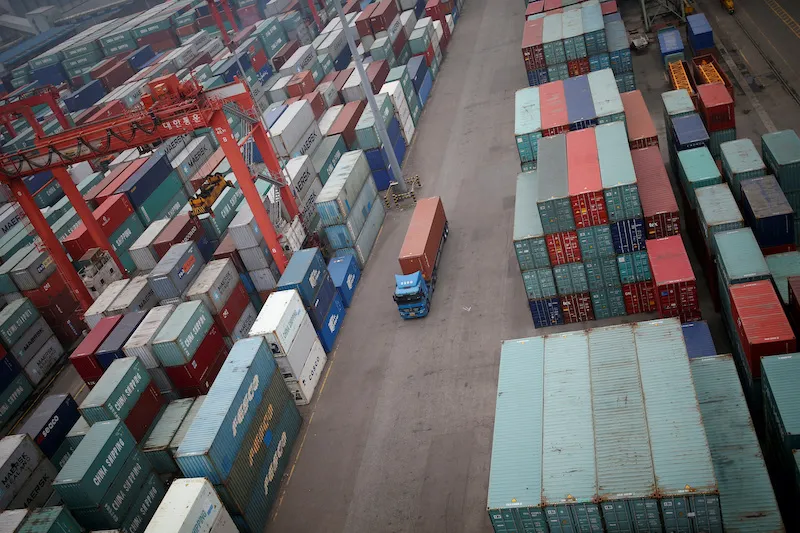
This is a relatively common charging method, where agent fees are typically collected as a certain percentage of the total value of the goods. For example, a fee of 1% to 5% of the cargo value might be charged. However, the specific percentage will vary depending on the aforementioned factors. Generally, for goods with high value and relatively simple operations, this percentage might be lower; while for goods with low value but complex operations, the percentage might be higher.
2. Fixed Fee Collection
For some regular businesses with relatively stable export volumes and uncomplicated export procedures, some export agencies adopt a fixed fee collection method. For instance, for an export transaction, regardless of the cargo value, a fixed agent fee of 5,000 yuan or another fixed amount will be charged. This method provides clarity on costs for the client, making it easier for them to budget in advance.
3. Hybrid Fee Structure
Some export agents also use a hybrid fee structure, combining both percentage-based and fixed fees. For example, a fixed base fee might be charged first, and then an additional fee is collected based on a certain percentage for the portion of the cargo value exceeding a certain threshold. This ensures that the agency company has a basic income guarantee for smaller transactions while also earning reasonable compensation for large and high-value transactions based on actual circumstances.
III. Zhongmaoda's Fee Structure Example (For Reference Only)
Taking Zhongmaoda as an example, when handling ordinary textile export business to conventional markets like Europe and the United States, and the client only requires basic customs declaration and booking services, if the cargo value is within 500,000 yuan, a fixed fee might be charged, approximately 3,000 yuan in agent fees. However, if the client requires more comprehensive services, such as market promotion and client liaison, the fees might be adjusted based on the actual increased service costs, potentially adding 2,000 to 5,000 yuan or more on top of the original amount. For the export of high-value electronic products to emerging markets with more complex export procedures, Zhongmaoda might charge approximately 3% of the cargo value as agent fees, and further negotiate fees based on specific service requirements.
Export agent fees are not a simple fixed number; they are influenced by various factors, and different agencies may have different pricing strategies. Therefore, if you have export business needs, be sure to learn and compare thoroughly, and choose the appropriate export agent and fee structure based on your actual situation. Feel free to share your knowledge of export agent fees in the comments section below; let's exchange ideas!

Recent Comments (0) 0
Leave a Reply