"Mr. Teng has been having a headache lately. A batch of pollock he imported got stuck at the Shanghai port due to incomplete documents and unclear inspection standards, with the delivery date rapidly approaching..." Does this scenario sound familiar to you? With the upgrade in domestic seafood consumption, demand for imported pollock has surged, but the customs clearance process has become a major obstacle for many importers. This article will reveal the entire customs clearance process for pollock imports at Shanghai port, helping you avoid those "invisible pitfalls."
Why is Pollock Import Customs Clearance So Complex?
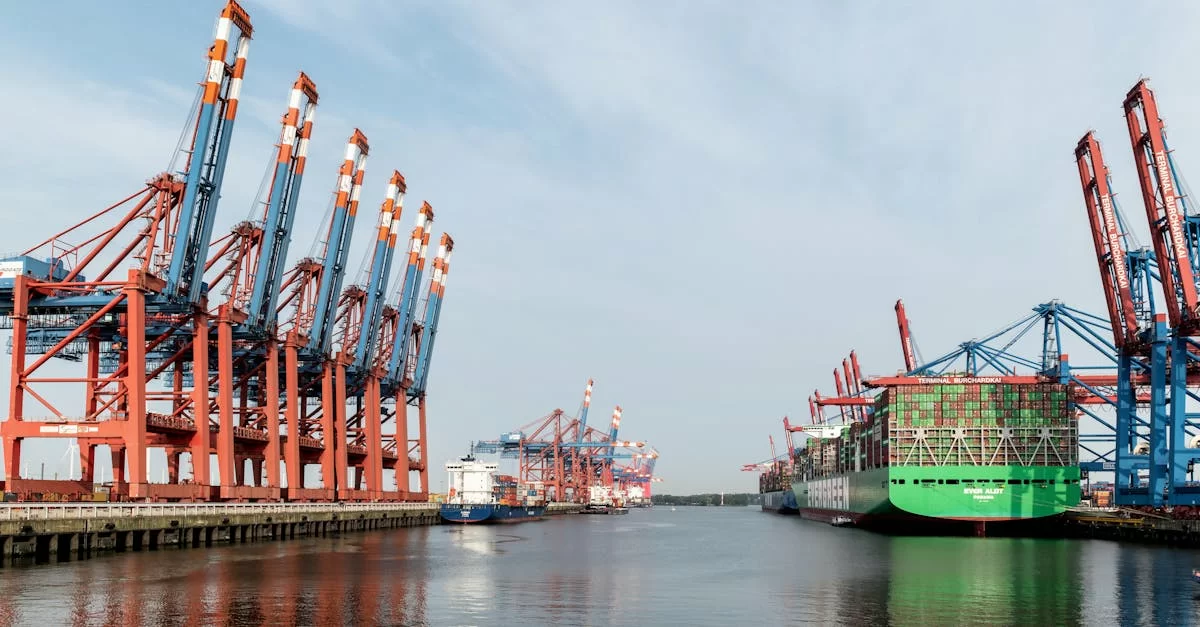
As a healthy, high-protein, low-fat ingredient, pollock has been highly favored in the domestic catering market in recent years. However, compared to other seafood, its customs clearance process has three major peculiarities:
- Strict Inspection and Quarantine: Requires simultaneous provision of fishing certificate, veterinary health certificate, and certificate of origin
- Detailed Tariff Classification: Different HS codes apply to frozen whole fish, fillets, and surimi respectively
- Demanding Cold Chain Requirements: Must be maintained below -18℃ throughout, and temperature records during transport must be complete
Four Core Values of Professional Agencies
Mr. Teng, a customs clearance expert from Zhongmaoda, points out: "90% of customs clearance delays stem from insufficient preparation." Key services that professional agencies can provide include:
- Pre-auditing of complete set of documents (list of 11 essential documents)
- Application of the "two-step declaration" mode for advance declaration
- Pre-inspection of cold chain storage compliance
- Emergency response mechanism for unexpected inspections
Latest Policy Changes in 2023
It is worth noting that the General Administration of Customs implemented new regulations for aquatic product imports this year:
Key Highlight: Starting from July 2023, all imported pollock must be accompanied by fishing vessel registration information, and processing plants must be CNCA certified. Zhongmaoda advises importers to verify supplier qualifications in advance to avoid demurrage charges due to missing documents upon arrival at port.
Three Breakthroughs in Cost Control
By optimizing customs clearance strategies, importers can significantly reduce overall costs:
- Choose warehousing in free trade zones to enjoy deferred tariff policies
- Utilize preferential tax rates under the CEPA agreement (requires a Hong Kong certificate of origin)
- Batch declaration to reduce per-declaration customs costs
How Will Your Next Batch of Pollock Clear Customs?
After Mr. Teng finally found a professional agency, the customs clearance process, originally estimated to take two weeks, was completed in just 5 days. In this era of prioritizing efficiency, instead of making mistakes in complex customs declaration processes, it's better to entrust professional tasks to professionals. Feel free to share your seafood import experiences in the comments section, or send a private message to get the latest version of the aquatic product import compliance white paper.

Recent Comments (0) 0
Leave a Reply