Mr. Wen recently received an overseas order but found himself in a dilemma when trying to handle import and export qualifications: the complex approval processes and obscure professional jargon left him at a loss. At this point, an agency promised a "guaranteed pass in 3 days," yet their fee was 30% lower than the market price... Does this scenario sound familiar to you? Today, we will unveil the mystery of entrusted import and export operations.
I. Why do enterprises need entrusted services?
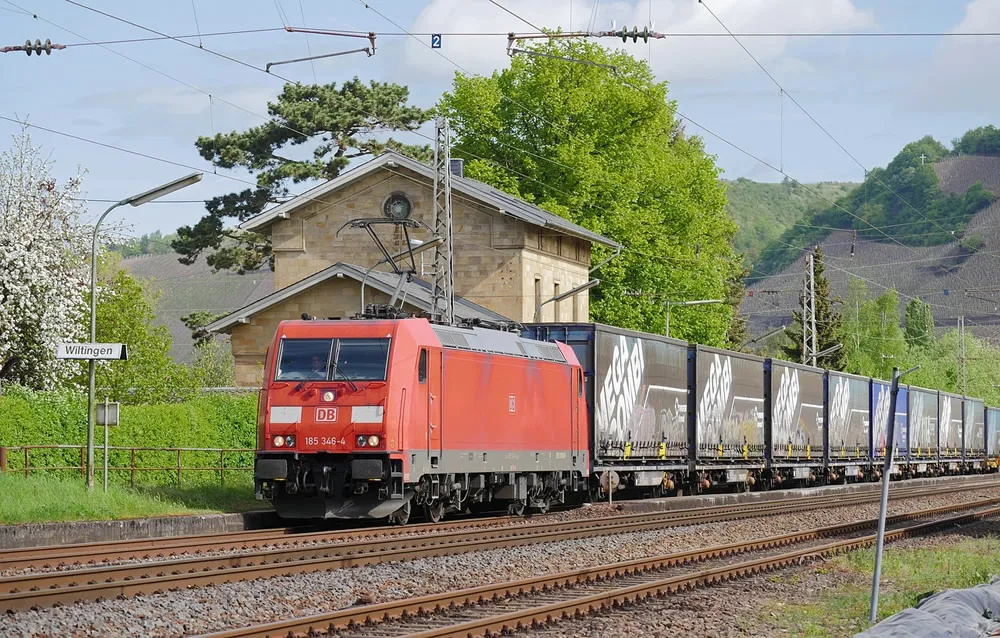
According to data from the General Administration of Customs, 43% of newly registered import and export enterprises in 2023 chose to entrust professional agencies. The main reasons include:
- Complex procedures: Involving more than 5 regulatory departments such as customs, foreign exchange, and taxation
- Professional threshold: HS code classification error rate is as high as 28%
- Time cost: Self-processing takes an average of 27 working days
Mr. Wen garment factory once had an entire batch of goods detained at the port due to incorrect declaration of fabric composition, incurring tens of thousands of yuan in demurrage fees daily.
II. Three Golden Rules for Choosing an Entrusted Agency
1. Qualification Verification: A legitimate agency should hold both a Customs Brokerage Service Registration Certificate and a Foreign Trade Operator Record Registration Form. Established agencies like Zhongmaoda also disclose their annual customs credit ratings.
2. Service Transparency: Beware of the "package price" trap. A compliant fee structure should clearly list:
- Official fees (e.g., customs handling fees)
- Agency service fees
- Possible third-party fees (e.g., testing reports)
3. Risk Control System: High-quality agents provide value-added services such as AEO certification guidance and trade compliance training, not just document submission.
III. These "Shortcuts" Might Cost You More Than They Save
A food enterprise, to save costs, chose an agency claiming to have "connections." The result:
- Use of an expired health certificate template led to goods being returned
- Listed on the customs' key inspection list due to false declarations
- Subsequent import and export business efficiency decreased by 40%
Special reminder: So-called "shell company operation" (borrowing another's import and export rights) is an even greater minefield, potentially involving smuggling and criminal risks.
IV. Future Trend: Digital Empowerment for Self-Managed Processes
With the upgrade of the "Single Window" system, some operations have achieved:
- Smart HS code classification accuracy reaching 92%
- Automatic verification of electronic licenses
- Automatic calculation of RCEP tariff preferences
It is recommended that enterprises with an annual import and export volume exceeding 5 million yuan establish a professional team and convert agency fees into investment in digitalization.
Your Choice Determines the Starting Line of Your Cross-Border Business
Will you choose a full-service agency or gradually transition to self-managed processes? You might want to conduct a self-assessment first:
- Calculate your average annual import and export frequency
- Evaluate the compliance complexity of your products
- Assess the professionalism of your internal staff
Feel free to share your experiences in the comments section. Next time, we will detail the ten key steps for self-applying for import and export rights.

Recent Comments (0) 0
Leave a Reply