Mr. Jiao has been very troubled recently - his company's high-quality handicrafts are facing market saturation in China, and inquiries from overseas clients have not resulted in deals due to his unfamiliarity with export procedures. In fact, SME owners like Mr. Jiao are not isolated cases. According to data from the General Administration of Customs, 645,000 foreign trade enterprises in China engaged in import and export activities in 2023, of which 85% were novices stepping into overseas markets for the first time. This article will break down the key aspects of export trade to help you seize cross-border business opportunities.
Three Core Challenges in Export Trade
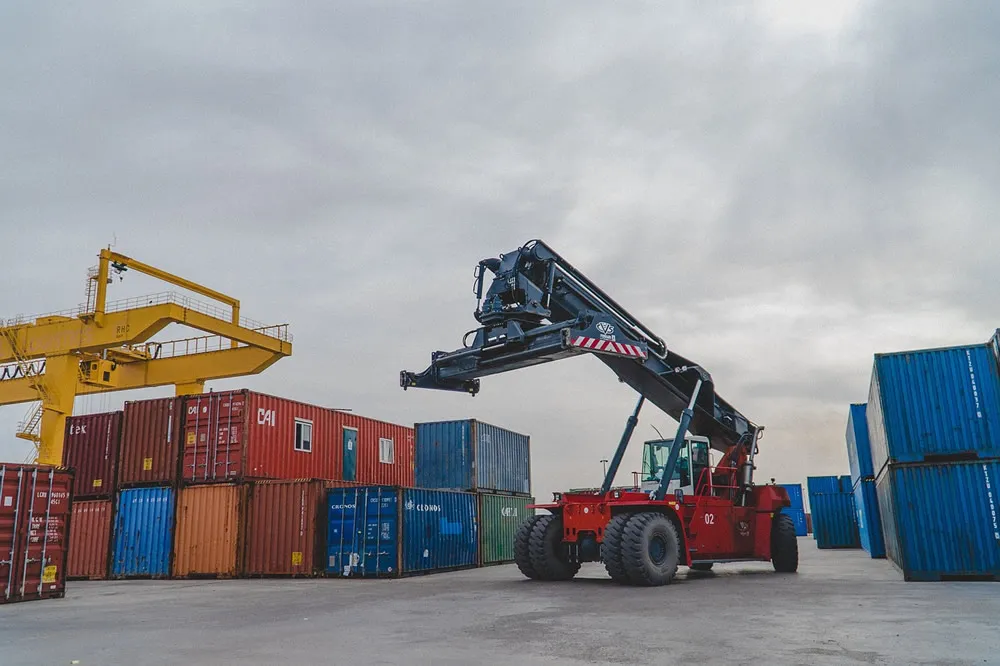
Unlike domestic transactions, international trade requires overcoming triple barriers: language, laws, and logistics:
- High Compliance Threshold: Mr. Jiao ceramic products were destroyed at the destination port because she was unaware of the target country's FDA certification standards.
- High Settlement Risk: A textile company suffered a 70% outstanding payment because it blindly trusted the "30% advance payment" letter of credit terms.
- Fluctuating Logistics Costs: During the Red Sea crisis, freight rates on Middle East routes surged by 300%, eroding corporate profits.
Zhongmaoda Professional Solutions
To address these pain points, leading trade service institutions have developed mature service matrices:
- Compliance Sandbox Testing: Simulate product import inspections 6 months in advance to avoid technical trade barriers.
- Intelligent Risk Control System: Automatically assess buyer solvency through a global enterprise credit database.
- Logistics Combination Solutions: The China-Europe Railway Express + overseas warehouse model can reduce cross-border transportation costs by 30%.
Four Key Steps for Newcomers
Mr. Wang successfully entered the Southeast Asian market with agricultural machinery parts in 6 months through the following approach:
- Select pilot markets: Prioritize countries within customs unions (such as ASEAN) to reduce customs clearance complexity.
- Localize product modifications: Adjust equipment cooling systems for tropical climates.
- Participate in B2B exhibitions: Obtain genuine purchasing intentions through platforms like the Canton Fair.
- Adopt D/P payment terms: Require buyers to pay and take documents to reduce financial risks.
Hidden Opportunities for Future Trade
With the deepening implementation of the RCEP agreement, these emerging areas are worth attention:
- Green Trade: Certified carbon footprint products can command a premium of up to 15% in the EU market.
- Small-batch Customization: 3D printing technology makes small-volume personalized orders economically feasible.
- Digital Services: Demand for cross-border e-commerce independent website operation services has an annual growth rate of 200%.
By the time you finish reading this article, 37 Chinese companies may be signing foreign trade contracts. It's time to re-evaluate your product's competitiveness in the international market. Welcome to share your most desired overseas market in the comments section, and we will select three readers to offer free trade compliance diagnoses.

Recent Comments (0) 0
Leave a Reply