In the tide of the globalized economy, international trade is becoming increasingly frequent, with imported goods pouring into the domestic market like a tide. However, before these goods can be placed on shelves, there is a crucial link – the import declaration. It is like a behind-the-scenes hero on the international trade stage, silently promoting the legal and smooth circulation of goods. Today, let us delve into the import declaration together and unveil its mysterious veil.
The Importance of Import Declaration
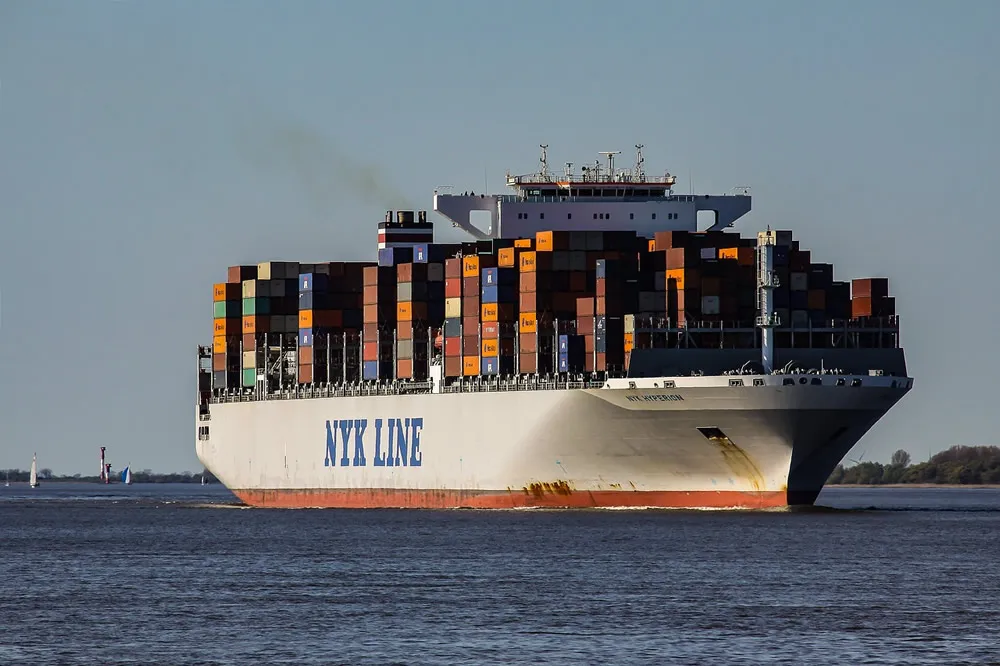
Import declaration is an important means for the state to supervise import and export goods. It is not only related to national tax revenue, ensuring the full collection of payable taxes, but also closely linked to the country's trade policies, helping to regulate imports and exports and protect domestic industries. Imagine if there were no standardized declaration process; the market might be flooded with various goods of unknown origin and unassured quality, which would severely disrupt market order and harm consumer rights.
Detailed Explanation of the Import Declaration Process
The first stage is preparation for declaration. Importers need to prepare a series of documents, such as commercial invoices, packing lists, bills of lading, etc. These documents are like the "identity certificates" of the goods, detailing the basic information of the goods, including their name, quantity, value, country of origin, etc. Taking Mr. Li, who imports a batch of electronic products, as an example, he needs to ensure that these documents are accurate and error-free, as any error in information could lead to declaration obstacles.
Next is the formal declaration stage. Importers or their agents need to use the electronic port system to input the prepared document information into the system and declare to the customs. After receiving the declaration information, the customs will review it. The review covers the completeness and accuracy of the documents, as well as whether the goods comply with relevant national regulations. If there are problems with the declared information, the customs will notify the declarant to make supplements or corrections.
Cargo inspection is also an important part. Customs has the right to inspect imported goods to verify that the declared content matches the actual goods. There are various inspection methods, such as thorough inspection and random inspection. Mr. Li once imported a batch of clothing, and during inspection, the customs found a slight difference between the actual color and the declared color. This requires timely communication and handling to avoid delays in customs clearance.
Finally, there is tax payment. Based on the tariff classification and dutiable value of the goods, customs calculates the customs duties, value-added tax, and other taxes payable. After the importer pays the taxes, the goods can be released and circulated in the domestic market.
Common Problems in Import Declaration and Countermeasures
Errors in declaration information are a relatively common problem. This may be due to staff negligence or a misunderstanding of policies. The solution is to strengthen the training of declaration personnel, improve their professional skills, and establish a strict information review mechanism.
Disputes over commodity classification also occur from time to time. Different classifications correspond to different tax rates, which will affect the cost of enterprises. When encountering such problems, enterprises can apply to customs for pre-classification, or seek the help of professional customs brokers, such as Zhongmaoda, who can accurately determine the commodity classification with their rich experience and professional knowledge.
Import declaration, as a key link in international trade, plays a crucial role in enterprise operations and market stability. It is hoped that importers will attach importance to and familiarize themselves with this process, ensure smooth customs clearance, and contribute to the prosperity of international trade. Let us work together to promote the continuous and healthy development of import trade on a compliant track.

Recent Comments (0) 0
Leave a Reply