When Mr. Zhan first heard that his peers had increased their profit margins by 40% through re-export trade, he thought it was just a legend. It wasn't until he personally witnessed Mr. Zhan container transshipment from Vietnam to the United States, perfectly circumventing a 25% tariff, that this "trade magic" truly caught his attention.
Why Are Smart People Focusing on Re-export Trade?
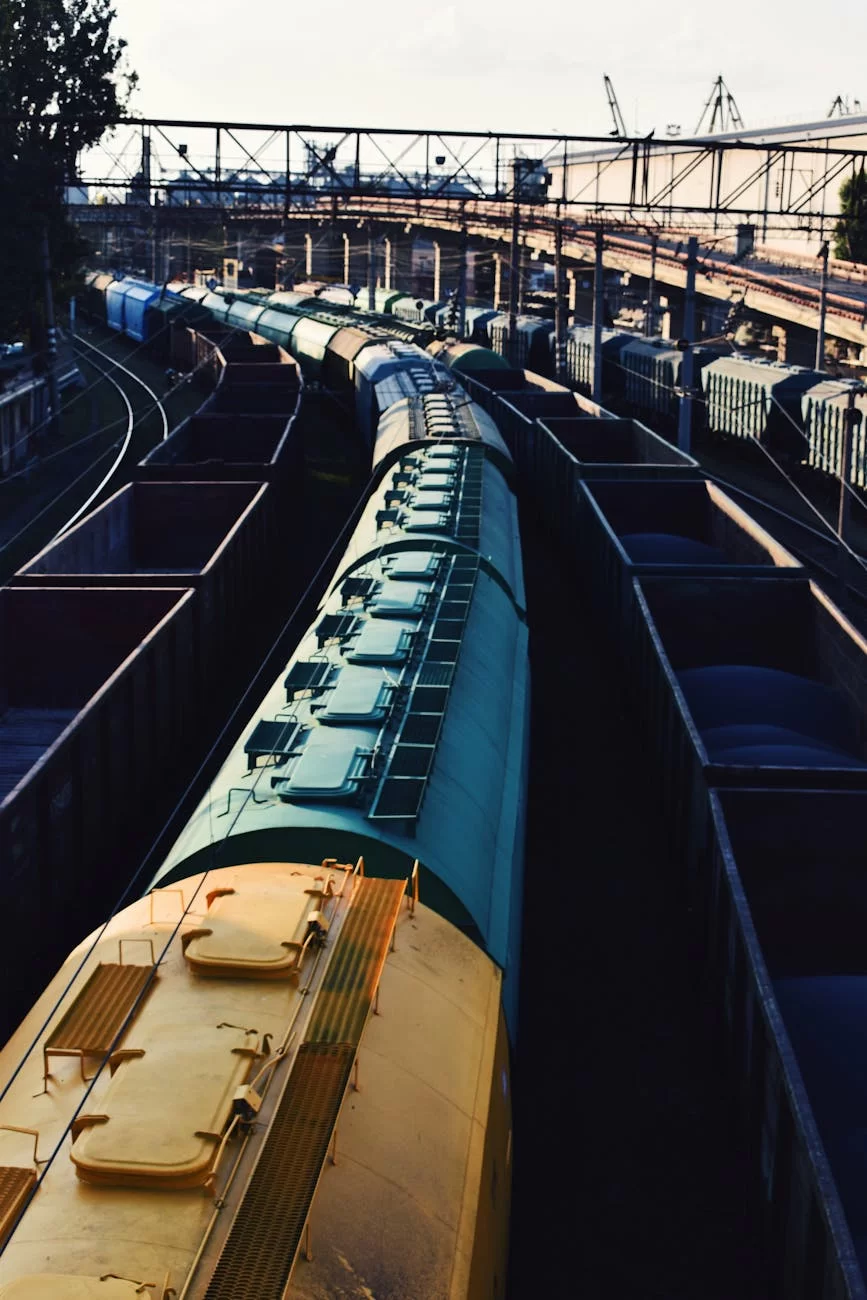
Against the backdrop of a reshaped global supply chain, re-export trade has evolved from an emergency solution to a core strategy. Recent customer data from **Zhongmaoda** shows that companies adopting re-export solutions can reduce their overall costs by an average of 18%-35%. This trade model, which involves transshipment through a third country, is addressing three pain points:
- Circumventing high tariff barriers in target markets
- Breaking through origin certification restrictions
- Optimizing international payment and tax structures
Four Golden Rules in Practice
The choice of the first stop determines success or failure: The free trade zone in Port Klang, Malaysia, with its English-speaking environment and comprehensive re-export documentation services, has become the preferred choice for electronics products; while Jebel Ali Port in Dubai, due to its relaxed regulations, is more suitable for the turnover of high-value goods.
A perfect closed loop of documentation: From certificates of origin to processing certificates from the transit country, each step requires professional team oversight. On one occasion, Mr. Zhan container was detained by customs for two weeks due to the lack of a FORM A certificate from the Vietnam Chamber of Commerce and Industry.
Precise control of logistics timing: Southeast Asian ports during the rainy season, Middle Eastern customs during Ramadan, these variables must be factored in. It is recommended to allow at least a 15-day buffer period to cope with unforeseen circumstances.
The hidden switch for cost control: In addition to visible transit fees, attention must also be paid to hidden costs. For example, warehousing fees in Singapore are charged by the hour, while Rotterdam Port offers bulk discounts.
The Three Major Pitfalls Beginners Most Easily Fall Into
- Underestimating the cost of document compliance (averaging 3-7% of the total amount)
- Misjudging the political stability of the transit country (refer to the Sri Lankan port crisis)
- Ignoring the final buyer's acceptance of the transshipment behavior
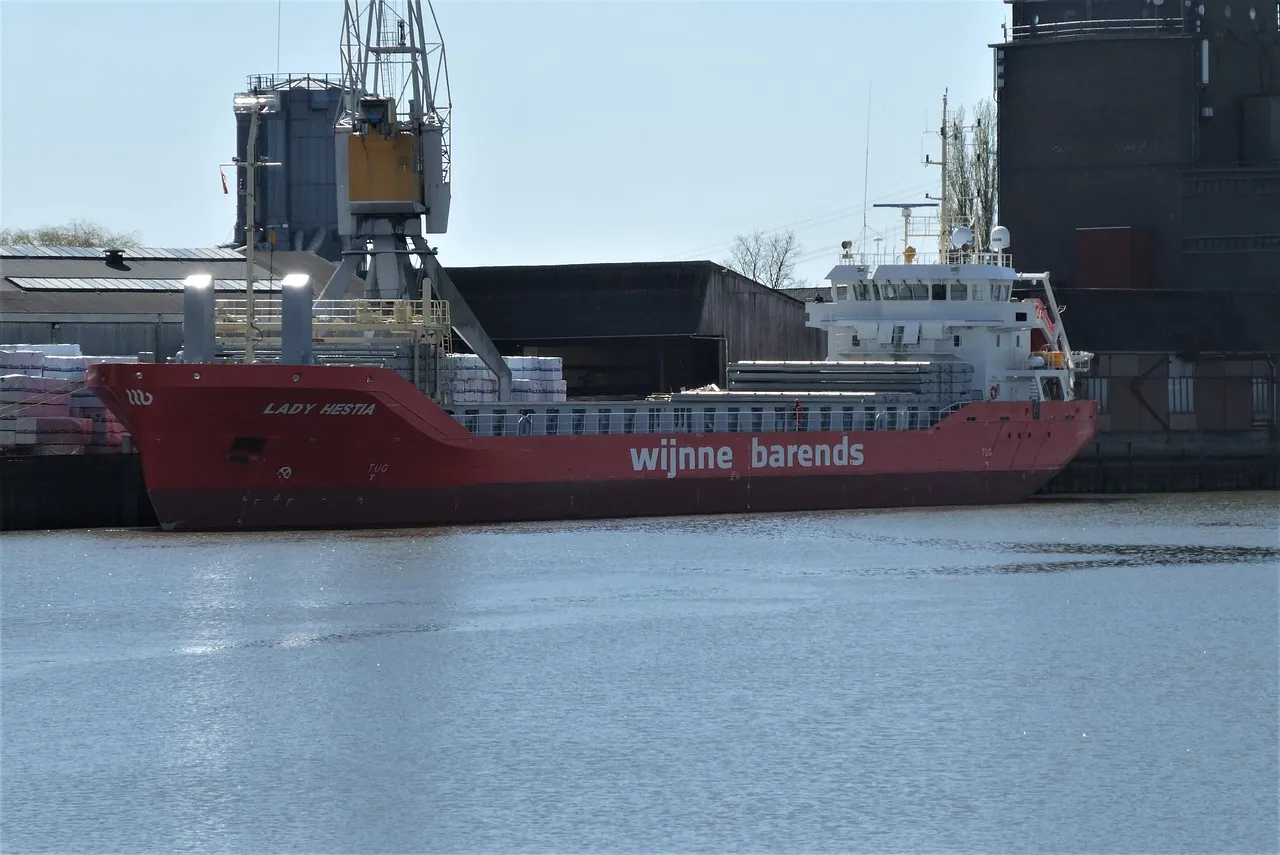
The Revolutionary Change Brought by Digital Tools
Now, through **Zhongmaoda**'s intelligent routing system, you can compare real-time data for each transshipment port on:
- Customs clearance efficiency rankings
- Recent inspection rate fluctuations
- Experience in handling special cargo
Your Re-export Solution Needs an Upgrade
As traditional direct shipping models encounter more and more trade barriers, re-export trade has shifted from an "optional" to a "mandatory" choice. It's time to start now:
- Inventory the transshipment feasibility of your existing products
- Establish profiles for at least 3 backup transshipment ports
- Participate in compliance training organized by professional institutions
What unexpected challenges have you encountered in re-export trade? Feel free to share your practical experience in the comments section.

Recent Comments (0) 0
Leave a Reply