Mr. Wu recently encountered a strange situation: a batch of electronic products purchased from Vietnam, whose final destination was clearly the US, but the bill of lading indicated "transshipment via Singapore." When he pressed his freight forwarder for an explanation, the forwarder smiled mysteriously and said, "This is standard practice for re-export trade." Similar scenarios unfold daily in ports worldwide, and behind them lie the hidden trade terms, customs strategies, and logistics intelligence, which are the business codes we are going to decrypt today.
I. Three Core Terms of Re-export Trade
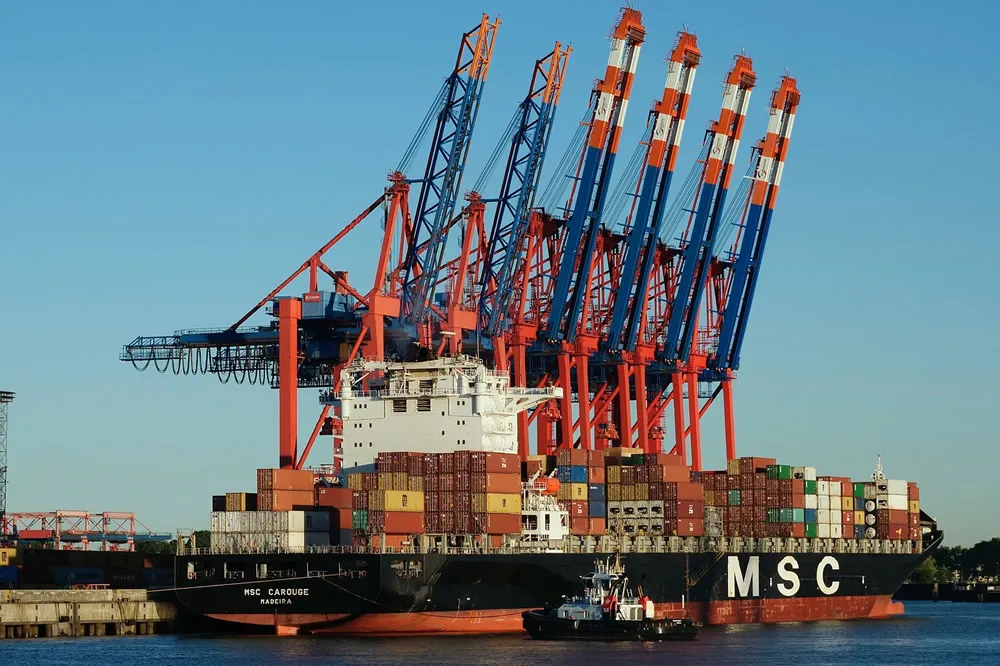
When goods "change hands" in a third country like a relay baton, these professional terms frequently appear:
- Triangular Trade (Triangular Trade): The most classic re-export model. For example, China → Malaysia → USA, with Malaysia acting as an intermediary providing documents such as certificates of origin.
- Transshipment (Transshipment): A purely logistical activity, where goods merely change vessels/aircraft in a third country, without any transfer of ownership.
- Intermediate Trade (Intermediate Trade): Fully managed by a trader in the transit country, with the actual cargo owner remaining undisclosed throughout.
Mr. Wu textile foreign trade company once leveraged triangular trade to re-export garments produced in Cambodia via Hong Kong to Europe, saving 12% in anti-dumping duties.
II. Terminology Traps in Documentation
In seemingly ordinary bills of lading and invoices, these details determine compliance:
- BL marked "FCL/FCL" but with no transshipment port record? May be suspected of false declaration
- Invoice amount differs by 30% from the purchase contract? A price adjustment explanation is required
- Certificate of Origin shows "Form E" but ASEAN content not declared? Tariff preferential treatment will be invalid
On one occasion, when Zhongmaoda assisted a client in verifying re-export documents, it was found that the HS code on the packing list did not match the tariff schedule of the re-export country. This single discrepancy alone avoided a potential fine of 230,000 USD.
III. Evolution of Terminology Under New Trends
As global supply chains are restructured, re-export terminology is also evolving:
- "Virtual Re-export": Goods are physically shipped directly, but documents flow through a third country
- "Bonded Zone Springboard": Utilizing the "within the territory, outside customs" characteristic of free trade zones to complete value transformation
- "Digital Origin": Blockchain technology enables dynamic traceability
Just as cross-border e-commerce spurred the popularization of "DDP (Delivered Duty Paid)", after RCEP came into effect, "Accumulated Origin" is becoming a new hot term in re-export trade.
IV. Principles for Terminology Selection in Practice
Facing complex re-export demands, remember three golden rules:
- Logistics terms (e.g., CIF/FOB) determine cost allocation points
- Tax terms (e.g., DTA/PEM) affect the method of tax base calculation
- Compliance terms (e.g., AD/CVD) are linked to anti-circumvention investigation risks
When a Japanese client requested re-export via Taiwan to Vietnam, Zhongmaoda recommended using a combination of "back-to-back letters of credit + multimodal transport bill of lading", which both met the client's needs and maintained compliance.
Conclusion: Terminology is a Shield, and a Key
Re-export trade terminology is like a commercial Morse code; used correctly, it can unlock a treasure chest of tariff benefits; used incorrectly, it may trigger regulatory alarms. Next time you see professional expressions like "temporary admission" or "economic access," you might want to ask: What business logic is truly hidden behind this term? Feel free to share any re-export terminology puzzles you've encountered in the comments section.

Recent Comments (0) 0
Leave a Reply