When you casually pick up a bag of garlic at the supermarket, you might not realize that this small white bulb is undergoing a global adventure more thrilling than any spy thriller. From Shandong farmlands to the free trade zones of Dubai, from Vietnamese processing plants to European supermarket containers, the re-export trade of garlic hides an astonishing profit chain and commercial wisdom. Today, we will unveil the cross-border journey of this "white gold."
Why Does Garlic Need to Be "Re-exported"?
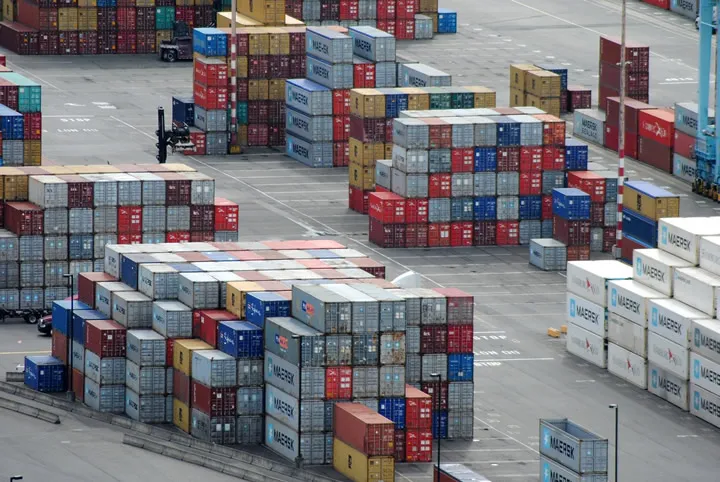
The global garlic trade exceeded 12 billion US dollars in 2023, with approximately 35% completed through re-export trade. The **core logic of re-export trade** lies in leveraging the differences in tariff policies between countries: when country A imposes high tariffs on garlic from country B, traders can achieve "conquering the country by a detour" by transshipping through country C.
- Typical Case: Chinese garlic exported to the EU incurs a 12.8% tariff, but after transshipment through Serbia, the tariff rate drops to 5.3%.
- Cost Magic: A free trade zone in the Middle East can increase the value of garlic by 22% through simple repackaging.
- Time Difference Game: Utilizing the difference in harvest seasons between the Northern and Southern hemispheres to achieve year-round supply.
Three Key Nodes of Re-export Trade
1. Origin Control
Mr. Chen, a garlic farmer from Jinxiang County, Shandong, revealed: "The price of our single-clove garlic grown to EU standards is already 40% higher at the farm gate than ordinary garlic." Zhongmao Da's quality inspection team regularly samples soil for heavy metal and pesticide residues to ensure compliance with target country standards.
2. Choice of Transshipment Location
Vietnam becoming a popular transshipment hub is no accident:
- It has 17 internationally certified agricultural product processing plants.
- It has signed free trade agreements with both the EU and ASEAN.
- Labor costs are only 60% of those in China.
Mr. Chen trading company specializes in classifying garlic HS codes: "The same garlic powder, when classified under codes 0712.90 and 0910.99, can result in an 8 percentage point difference in tariffs." Some companies also circumvent anti-dumping duties by changing the product's form (e.g., frozen minced garlic).
Challenges in a Turbulent Industry
In 2022, a total of 9 anti-circumvention investigations related to garlic were launched globally, primarily targeting:
- False origin certificates
- Minor processing misrepresented as substantial transformation
- "Origin washing" activities in third countries
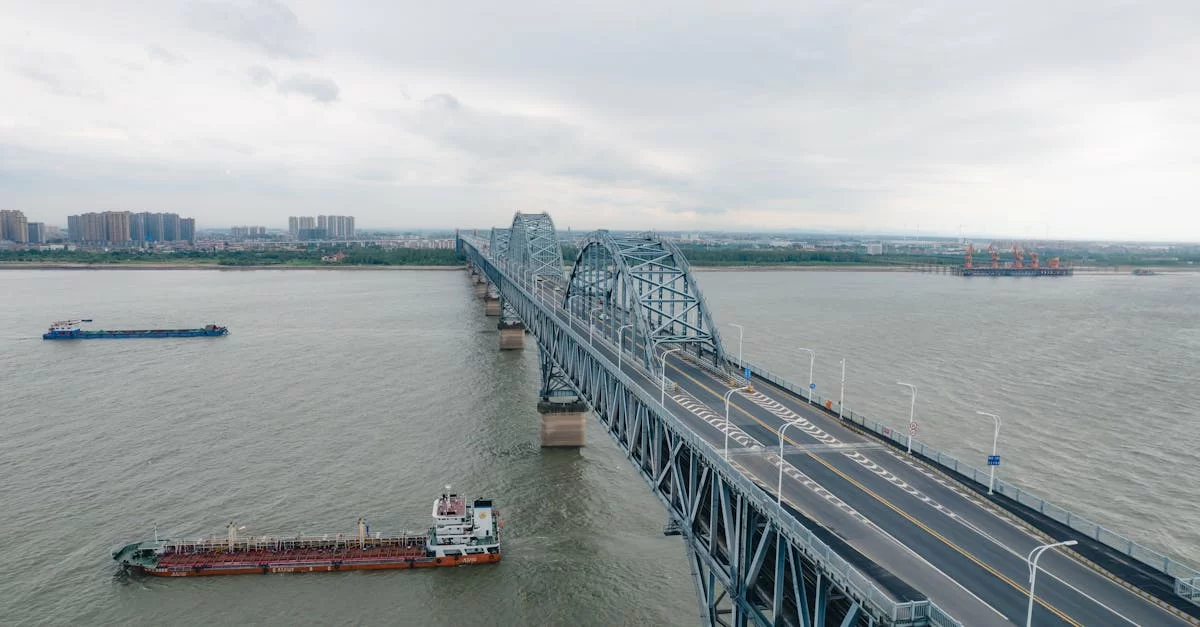
The head of Zhongmao Da's compliance department advises: "Enterprises should establish a complete traceability system, retaining original supporting documents from planting batches to export customs declarations."
Future Trends: From the Gray Area to Transparency
With the application of blockchain technology, some enterprises have begun to experiment with:
- IoT sensors for full-process monitoring of temperature and humidity.
- Smart contracts for automatic triggering of cross-border payments.
- Digital twin technology for simulating optimal logistics routes.
An industry observer, who wished to remain anonymous, pointed out: "In the next five years, the market share of compliant re-export trade is expected to increase from the current 18% to 35%."
Your Kitchen is Also Part of International Trade
Next time you pick up a clove of garlic while cooking, take a moment to consider: does this condiment that has crossed three continents deserve a more transparent trade chain? Welcome to share your encountered "magical origin" foods in the comment section. The reader with the most likes will receive a global agricultural product traceability report provided by Zhongmao Da.

Recent Comments (0) 0
Leave a Reply