In today's wave of globalized business, agent export operations are becoming increasingly frequent, with many enterprises leveraging them to expand into overseas markets. However, the tax issues involved are often like a dense fog, leaving many bewildered. Today, let's have a thorough discussion about the intricacies of taxation in agent export, helping you clear this fog and see the key points clearly.
I. Basic Concepts of Agent Export Taxation
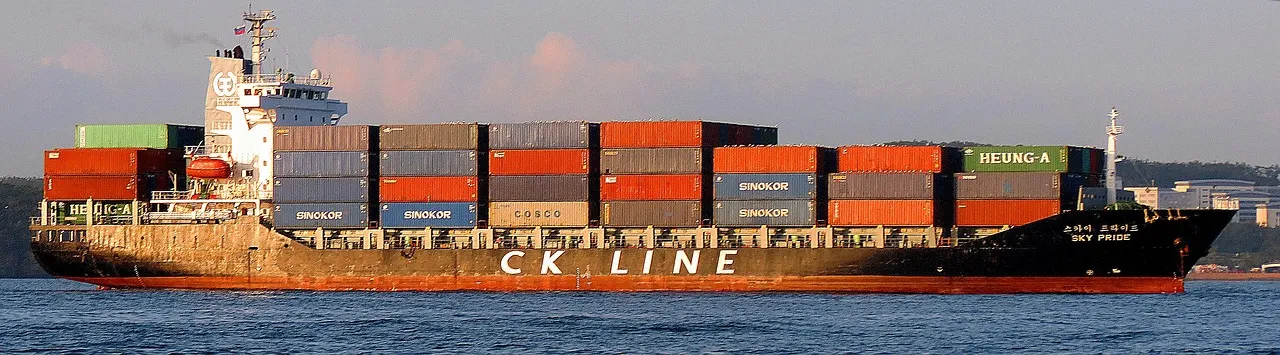
Agent export, simply put, is when an enterprise with import and export operation rights (the agent) accepts a commission from another enterprise to handle its export business. In this process, tax issues cannot be ignored. The first thing involved is Value-Added Tax (VAT). Generally, goods exported through an agent are exempt from VAT, but this requires meeting certain conditions. For example, it requires providing authentic and valid export customs declarations and other relevant documents. If these conditions are not met, then the tax exemption cannot be enjoyed, and there may even be tax risks.
Furthermore, there is the crucial step of export tax refunds. For the principal, if their goods qualify for export tax refund policies, then after exporting through an agent, they can apply for a refund of VAT and other taxes paid during the domestic production and circulation stages. However, it's important to note here that the agent plays an assisting role in this process and must accurately declare relevant information according to prescribed procedures and requirements; otherwise, it will affect the smooth processing of the tax refund.
II. Division of Tax Responsibilities Between Agent and Principal
In agent export business, the agent and the principal bear different tax responsibilities. For the agent, they are responsible for accurately calculating and declaring tax matters related to agent export business in accordance with tax regulations. For instance, they must truthfully declare information such as the sales volume of agent export goods, without any false reporting or concealment. If tax issues arise due to the agent's errors, the agent will be held accountable for the corresponding responsibilities.
As for the principal, they must ensure that the goods information, invoices, and other documents provided to the agent are authentic and reliable. After all, these documents are crucial for tax declarations. If the principal provides false information, it will not only affect their own tax refund rights but may also land the agent in tax trouble. Therefore, both parties are closely linked and mutually influential in tax matters, and both must approach them with utmost diligence.
III. Common Tax Risks and Prevention Measures
One common risk: Incomplete documentation. Export operations require a series of documents to support tax declarations, such as customs declarations, verification forms, invoices, and so on. If these documents are missing or do not meet requirements, it will lead to an inability to smoothly process tax exemption or refund procedures. The preventive measure is to establish a robust document management system. During the business process, collect and organize all types of documents promptly and accurately to ensure their completeness and compliance.
- For example, assign dedicated personnel to track documents, closely monitor the generation of documents at every stage starting from goods customs clearance for export, and promptly request and verify them.
Another common risk: Tax declaration errors. Both the agent and the principal may make mistakes when declaring taxes, such as data entry errors or incorrect application of policies. This requires both parties to strengthen their study and understanding of tax policies and improve the professional quality of their financial personnel. Before declaring, carefully check the declared data to ensure accuracy.
- Regularly organize financial personnel to attend tax training courses to stay updated on the latest tax policy dynamics and enhance their professional capabilities.
IV. Grasping Key Tax Points to Make Agent Export Business Smoother
Having understood these key points of agent export taxation, we can better conduct related business. For enterprises, whether choosing to act as an agent or a principal, it is crucial to attach importance to tax issues and integrate tax management into the overall enterprise management system. Only by doing so can unnecessary tax risks be avoided in agent export business, allowing enterprises to smoothly enjoy the deserved tax preferential policies and make their overseas expansion journey more seamless.
Dear readers, agent export tax issues are related to the vital interests of enterprises. I hope everyone takes them seriously, continuously summarizes experiences in actual business, and excels in this area. Have you had any experiences or questions regarding agent export taxation? Feel free to leave comments and share them in the comment section; let's discuss and grow together!

Recent Comments (0) 0
Leave a Reply