Mr. Sheng recently encountered a vexing issue: he had his eye on a niche European kitchenware brand, but the brand clearly stated "no direct sales in China." Just as he was about to give up, a friend's words enlightened him: "Try finding a pure import agent." Three days later, the item was successfully cleared through customs and delivered to his home, at a price 15% cheaper than daigou (overseas shopping). How does this industry, rarely mentioned by consumers, manage to bridge the "last mile" of cross-border trade?
What is a Pure Import Agent?
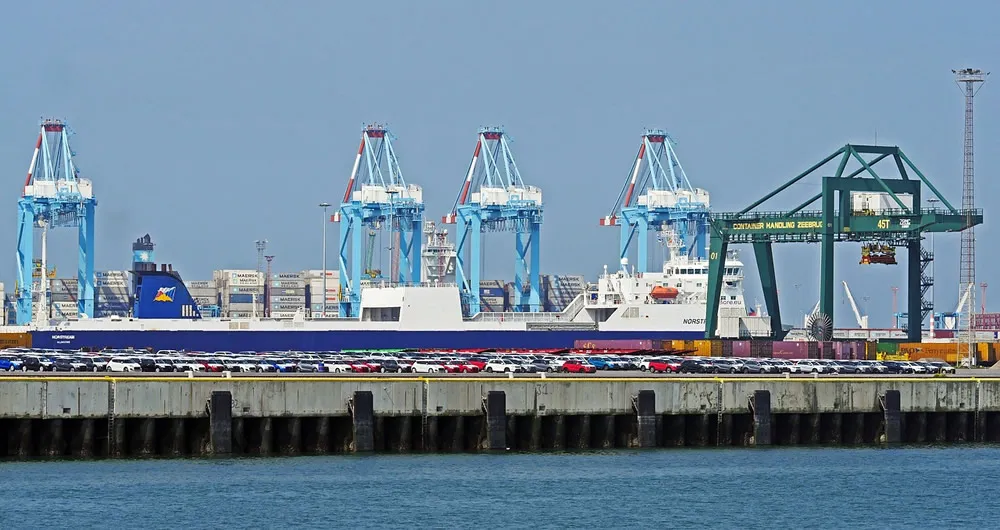
Unlike brand general agents or cross-border platforms, the core value of a pure import agent lies in the word "pure": they do not purchase goods outright, participate in production, or build inventory. They only provide comprehensive, end-to-end service solutions. When Mr. Sheng mother and baby store wanted to import New Zealand milk powder, a pure agent would handle:
- Qualification filing and customs code application
- Origin country inspection and logistics tracking
- Tariff calculation and compliant customs clearance
- Domestic last-mile delivery
This "asset-light" model allows them to serve hundreds of small and medium-sized clients simultaneously, becoming the "capillaries" for niche imports.
Three Survival Rules of the Industry
Data from the Zhongmaoda Research Institute in 2023 shows that the profit margins of leading pure import agents generally remain between 8-12%. Their competitiveness stems from:
- Monetizing Information Asymmetry: Deep understanding of HS code rules in various countries allows for precise matching to optimal tariff schemes.
- Capturing Long-Tail Demand: They can handle orders as small as 200 cases of Italian wine or 50 sets of German industrial parts.
- Risk Firewall: Anticipating policy changes, such as having ASEAN origin certificate templates ready before RCEP came into effect.
During a sudden new regulation on Japanese cosmetics packaging, it was pure import agents who worked overnight to coordinate label changes, helping clients avoid millions in return losses.
How Can Consumers Make Good Use of These Channels?
When you encounter the message "This brand has not yet entered the Chinese market," you can try:

- Searching "product name + import agent" on 1688 to find service providers.
- Requesting samples of past customs clearance documents.
- Comparing the differences between CIF and DDP quotes.
It is worth noting that the pure agent model also has an inherent drawback of slow after-sales response. For valuable items, it is recommended to confirm the return and exchange process before purchase.
Changes and Constants in the Next Decade
With the penetration of cross-border e-commerce platforms, the "customs declaration advantage" of pure import agents is diminishing. However, industry insiders point out that three types of demand remain irreplaceable:
- Goods requiring special qualifications (medical devices, food additives)
- Non-standard customized procurement (corporate gifts, exhibition samples)
- Imports from less common countries (Eastern European agricultural products, Middle Eastern handicrafts)
Next time you find desired imported goods that are "visible but untouchable," remember: there are always professionals silently building bridges at the nodes of the trade network.

Recent Comments (0) 0
Leave a Reply