"Mr. Teng has been very troubled recently—his apparel factory produced hoodies of excellent quality, but due to unfamiliarity with export procedures, he received consecutive order rejections from overseas clients. It wasn't until he found a foreign trade agency company that, three months later, his products successfully landed on Southeast Asian supermarket shelves." Such stories happen every day. **Professional foreign trade agency companies** are precisely the key facilitators for SMEs venturing into international markets. This article will break down the core value and selection strategies of such companies for you.
Why Are Foreign Trade Agency Companies Needed?
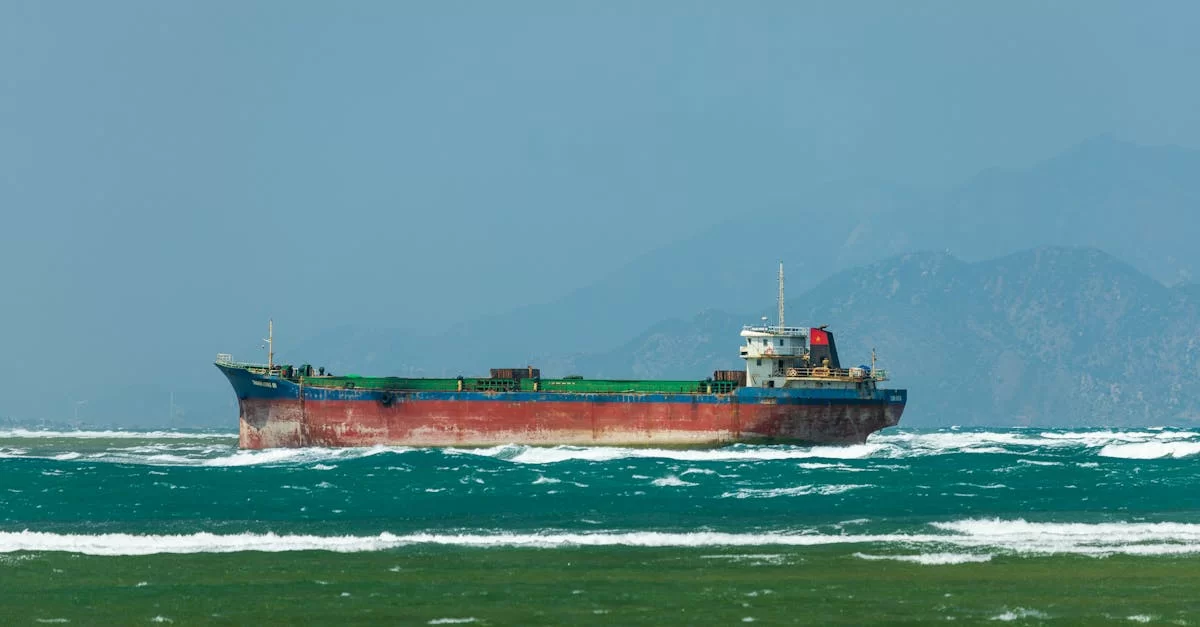
Data shows that over 60% of SMEs encounter the following difficulties during their first export:
- Unfamiliarity with import and export regulations leading to goods being seized
- Lack of international settlement channels causing financial risks
- Language and cultural barriers affecting negotiation efficiency
Professional agency companies resolve these challenges through **end-to-end services**. Taking Zhongmao as an example, its "customs clearance + logistics + tax refund" one-stop solution can help clients shorten the export cycle by 40%.
Three Core Capabilities of Excellent Agency Companies
When Mr. Teng selects an agency company, she focuses on:
- **Risk control system**: including financial tools such as letter of credit review and exchange rate locking
- **Global network**: localized service points covering at least major trade zones
- **Data empowerment**: utilizing customs data to guide product selection and market positioning
It is worth noting that some leading enterprises have started using AI technology to achieve 24-hour abnormal early warning for cross-border trade.
Key Verification Steps Before Cooperation
To avoid pitfalls, business owners are advised to:
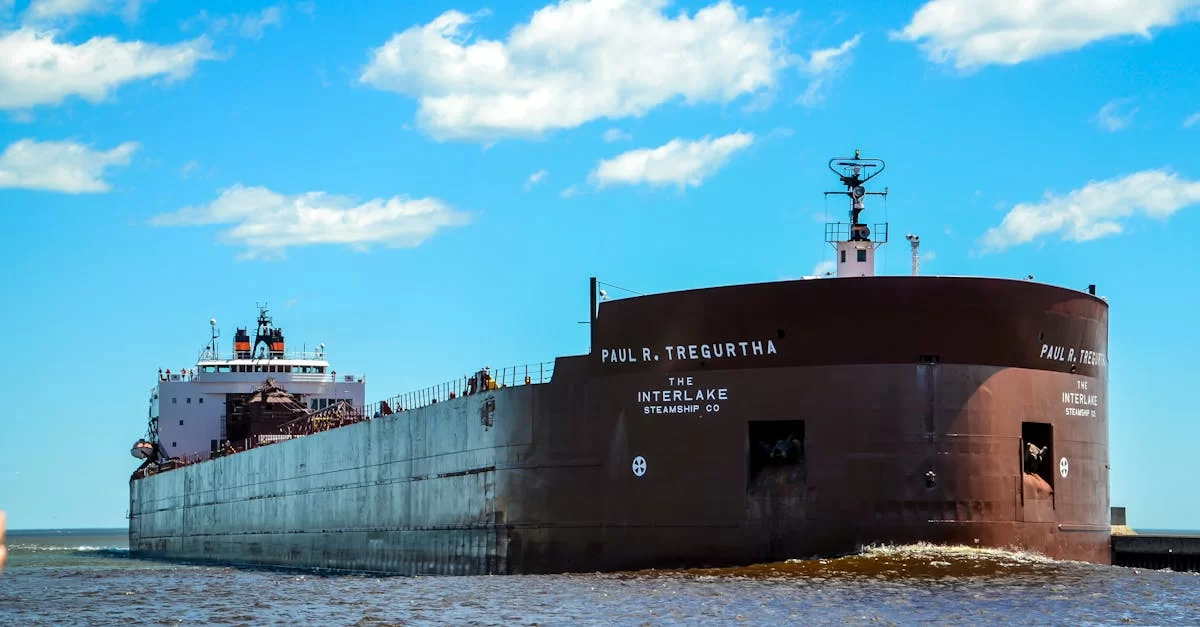
- Verify qualification documents such as Customs AEO certification
- Request recent export cases for similar products
- Test emergency response speed (e.g., response to sudden tariff adjustments)
A furniture exporter once shared: "We asked the agency company to simulate a scenario of customs clearance obstruction in Brazil and ultimately chose a partner who could activate a backup plan within 2 hours."
Future Trends: From Agency to Ecosystem Co-construction
With the deepening of agreements such as RCEP, foreign trade services are showing new characteristics:
- Service boundaries extending to overseas warehouse operations, brand internationalization, and other aspects
- Flexible cooperation models based on performance-based payment are emerging
- Blockchain technology applied to full-process traceability
As one industry insider stated: "Future competition will be about who can help clients transform 'Made in China' into a 'Global Brand'."
Is Your Business Ready to Take Off with Leverage?
As cross-border e-commerce enters an era of intensive cultivation, choosing the right foreign trade agency partner might be more important than the product itself. **Consider starting with these three actions**: compile a list of export pain points from the past six months, schedule on-site visits with 3 prospective companies, and attend industry exchange meetings to get the latest updates. What do you think SMEs should be most wary of when choosing an agent? Feel free to leave a comment and share your insights.

Recent Comments (0) 0
Leave a Reply