In today's globalized business tide, trade forms are becoming increasingly diverse, and Bangladesh re-export trade shines like a brilliant yet somewhat mysterious pearl, attracting much commercial attention. Today, let us delve into what Bangladesh re-export trade is all about.
I. Concept and Advantages of Bangladesh Re-export Trade
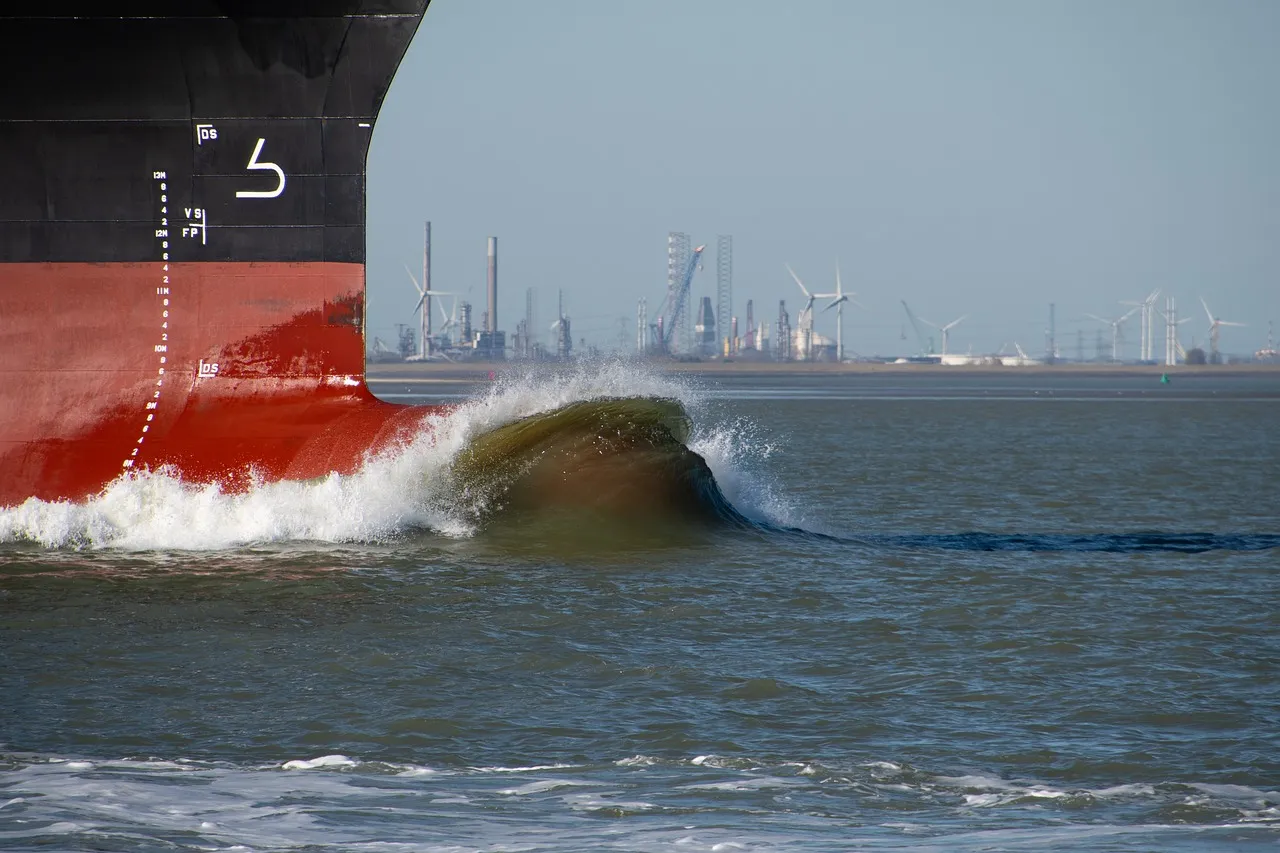
Bangladesh re-export trade, simply put, is a trade method where goods are first shipped to Bangladesh and then re-shipped from Bangladesh to other destinations.It boasts numerous unique advantages. Firstly, Bangladesh possesses a unique geographical location; situated in the northeastern part of the South Asian subcontinent, it serves as a crucial transportation hub connecting East Asia, Southeast Asia with South Asia, West Asia, and even Europe, enabling goods re-exported from here to conveniently reach numerous regions.
Secondly, Bangladesh also offers certain preferential measures in its international trade policies. For some specific commodities, re-exporting through Bangladesh might entail policy benefits such as tariff reductions or more relaxed trade controls, which undoubtedly lowers costs and increases profit margins for traders. For instance, certain textile products re-exported via Bangladesh may gain greater price competitiveness when subsequently shipped to other markets due to relevant local policies.
II. Operational Procedures for Bangladesh Re-export Trade
So, how exactly does Bangladesh re-export trade operate? Generally, the entire process is as follows:
- Step one, traders need to first contact qualified local re-export traders or relevant agencies in Bangladesh, such as professional organizations like Zhongmaoda, which can provide expert guidance and services.
- Step two, determine the details such as the goods' transportation route and warehousing arrangements. Goods typically arrive first at designated ports in Bangladesh, such as Chittagong, and are then temporarily stored in suitable warehouses, awaiting further transshipment arrangements.
- Step three, handle the relevant re-export procedures. This includes a series of cumbersome yet crucial steps such as customs declaration and document verification. Only by ensuring all procedures are complete and documents are accurate can the goods be successfully re-exported.
- Step four, arrange for the goods to be transshipped from Bangladesh to their final destination. This may involve selecting appropriate transportation methods, such as sea freight, land transport, or multimodal transport, determined by the geographical location of the destination and customer needs.
III. Challenges and Countermeasures for Bangladesh Re-export Trade
Of course, Bangladesh re-export trade is not without its difficulties, as it also faces several challenges. Among them, the uncertainty in the logistics and transportation sector is a major concern. As Bangladesh's infrastructure development is relatively underdeveloped, issues may arise concerning port handling efficiency and the timeliness of inland transportation, potentially leading to cargo delays and increased trade costs. For example, during periods of port congestion, goods might be held at the port for extended periods, affecting subsequent transshipment plans.
Furthermore, changes in trade policies also represent a potential risk. Bangladesh's international trade policies may shift due to factors such as domestic and international economic situations. If traders fail to timely understand and adapt to these policy adjustments, they may face unfavorable situations such as increased tariffs and cumbersome procedures.
In response to these challenges, traders can adopt several countermeasures. On one hand, it is essential to strengthen communication and cooperation with local logistics providers, understand port operational conditions in advance, reasonably arrange cargo transportation times, and minimize the risk of logistics delays. On the other hand, it is crucial to closely monitor Bangladesh's trade policy dynamics, obtaining the latest policy information promptly through professional consulting agencies or industry associations, to enable swift adjustments.
IV. Future Outlook for Bangladesh Re-export Trade
Despite numerous challenges, the future of Bangladesh re-export trade remains full of potential. With the continuous development of Bangladesh's economy, its infrastructure construction is expected to gradually improve, port operational efficiency will increase, and issues in the logistics and transportation sector will be alleviated to some extent. Concurrently, the Bangladeshi government is continuously optimizing its international trade policies to attract more traders to participate in re-export trade.
For the vast number of traders, as long as they can fully understand and grasp the characteristics and procedures of Bangladesh re-export trade and effectively address various challenges, they are poised to gain a share in this trade sector brimming with opportunities. It is believed that in the future, Bangladesh re-export trade will play an even more significant role on the global trade stage.
Dear readers, what are your thoughts on Bangladesh re-export trade? Do you see opportunities within it, or are you concerned about the challenges it faces? Feel free to leave your comments and discuss, let's explore this interesting trade topic together.

Recent Comments (0) 0
Leave a Reply