Mr. Wu recently encountered a strange situation: copper ingots piled up in the company's warehouse were declared as "exported" to Vietnam, but the Vietnamese customer insisted they never received the goods. Even more peculiar, after circulating for three months, this batch of goods returned to the original port. Behind this, is it a capital game called "re-export trade", or false trade disguised in legal clothing? Today, let's tear open this seemingly glamorous veil of international trade.
Three "Smoke and Mirrors" of False Trade
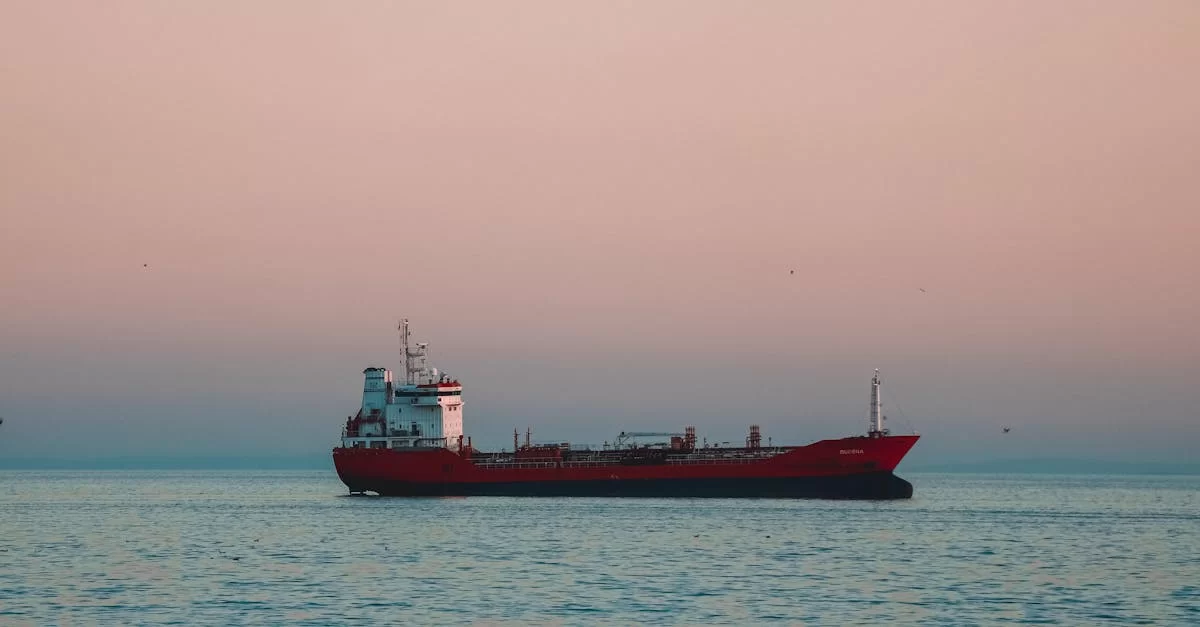
In the reports from regulatory authorities, false trade often appears in these three forms:
- "Ghost Cargo Ships": Bills of lading indicate goods have been loaded onto ships, but satellite tracking reveals the ships never docked;
- "Digital Magic": The same batch of goods is traded repeatedly between domestic and foreign companies, with prices artificially inflated by 30% for each "re-export";
- "Empty Container Drift": Containers are filled with waste paper, while customs declarations list precision instruments.
Mr. Wu financial institution once discovered that a company applied for financing with a customs declaration for 5 tons of gold, but only plated gold crafts actually arrived. This "trade finance arbitrage" method causes banks to lose over ten billion yuan annually.
Why Has Re-export Trade Become a Tool for Money Laundering?
Legitimate re-export trade is a common practice for businesses to profit from international price differences. However, when goods "are declared but not imported", risks begin to emerge:
- Funds are channeled through multiple layers of offshore shell companies, eventually flowing into the real estate or cryptocurrency markets;
- Taking advantage of the loose regulations in free ports like Hong Kong and Singapore, trade backgrounds are fabricated to transfer assets;
- There are even "day trip" trades – goods declared for export at dawn and "imported" back to the warehouse by noon.
Zhongmaoda Trade analysts point out that such operations distort foreign exchange reserve data and are more likely to trigger international anti-money laundering investigations.
Five Signals to Identify False Trade
How can businesses avoid getting involved in the grey area? Pay attention to these warning signs:

- Trade counterpart registered in the Cayman Islands but primarily engaged in garlic exports;
- Single transaction amount suddenly increases tenfold with an abnormal payment cycle;
- Logistics trajectory shows goods lingering on the high seas for two weeks;
- Unit price of declared goods deviates from the industry average by more than 50%;
- Payments are split under the guise of "commissions" or "service fees."
Survival Rules in the Era of Compliance
With the launch of Golden Tax Phase IV and intelligent customs supervision systems, the room for false trade is shrinking. Last year, customs in a certain province identified 17 abnormal enterprises in one go by conducting a three-dimensional comparison of "customs declarations - logistics - capital flow". Genuine trading companies should:
- Establish a complete chain of trade documents to ensure "consistency between documents and goods";
- Remain vigilant about unusually high-profit orders;
- Utilize technologies such as blockchain for end-to-end traceability.
When the tide of international trade recedes, it will become clear who is swimming naked. Have you encountered any "magical" trade cases around you? Feel free to share in the comments section – after all, sunlight is the best disinfectant.

Recent Comments (0) 0
Leave a Reply