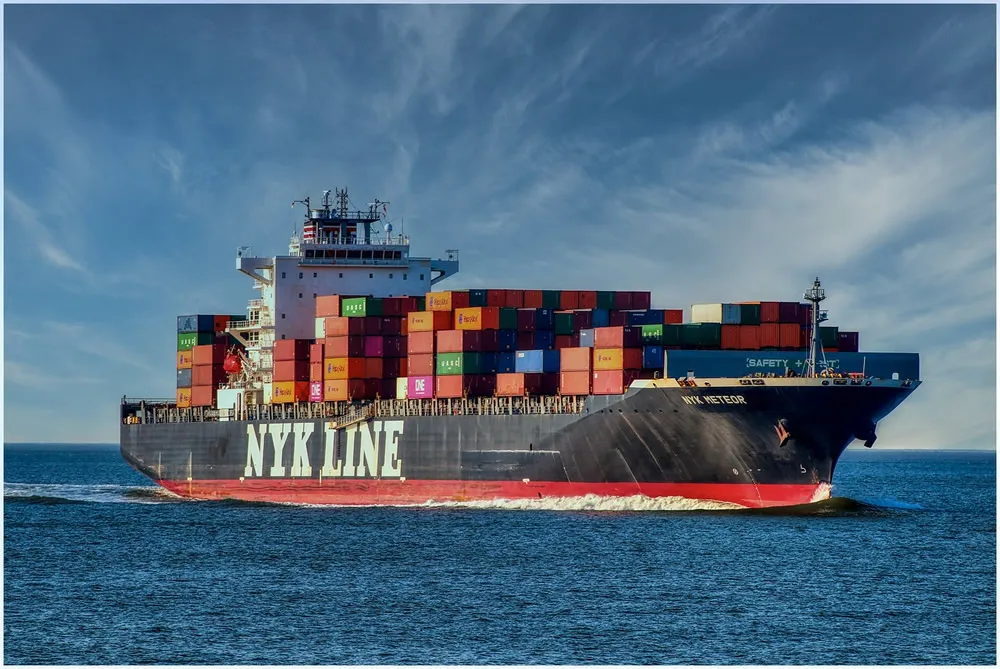
Amidst the tide of global economic integration, clothing export trade resembles giant ships sailing towards international markets, carrying the dreams and hopes of countless enterprises. This field is brimming with endless business opportunities, yet it also harbors numerous challenges. Today, let us delve into the mysteries of clothing export trade together.
Booming Opportunities
Global market demand for apparel consistently remains high. With the economic development of various countries, consumers are placing higher demands on the quality, style, and diversity of clothing. The rise of emerging economies has further created vast opportunities for clothing export trade. For instance, regions like Southeast Asia and Africa have large populations and economies in a rapid growth phase, indicating immense consumption potential for apparel. For clothing export enterprises, this is undoubtedly an enticing prospect.
Simultaneously, technological advancements have significantly boosted clothing export trade. The rise of e-commerce platforms has broken the time and spatial constraints of traditional trade. Enterprises can directly face global consumers through e-commerce platforms, showcasing their products, thereby greatly reducing trade costs and improving transaction efficiency. Moreover, technological breakthroughs in areas such as new fabrics and smart apparel have brought new growth points for clothing exports.
Unavoidable Challenges
However, clothing export trade is not always smooth sailing. Firstly, the volatility of trade policies is a major obstacle. Tariff policies and trade barriers in different countries frequently change, making it difficult for export enterprises to predict costs and market prospects. For example, some countries might suddenly raise import tariffs on clothing, directly squeezing enterprises' profit margins.
Secondly, fierce market competition also intensifies pressure on enterprises. In the global apparel market, enterprises from numerous countries and regions are vying for position. Asian countries like China, India, and Vietnam compete intensely in the mid-to-low-end apparel market due to their labor cost advantages; while European countries such as Italy and France hold leading positions in the high-end fashion apparel sector. Standing out in such an environment is no easy feat.
Furthermore, fluctuations in raw material prices also affect clothing export trade. Prices of raw materials such as cotton and chemical fibers are influenced by various factors like climate, international political and economic situations, leading to unpredictable fluctuations. Rising raw material prices increase production costs for enterprises, weakening the price competitiveness of their products.
Coping Strategies and Outlook
Facing these challenges, clothing export enterprises need to respond actively. On one hand, enterprises should strengthen their research on trade policies, establish comprehensive risk warning mechanisms, and prepare countermeasures in advance. On the other hand, they should focus on brand building and technological innovation to enhance product added value and escape the predicament of low-price competition. For example, Zhongmaoda can increase investment in design and R&D to launch apparel products with unique styles and technological content, establishing a strong brand image.
Looking ahead, the prospects for clothing export trade remain broad. As long as enterprises can seize opportunities, bravely face challenges, and continuously enhance their capabilities, they are sure to shine brightly on the international apparel market stage. Let us jointly anticipate the clothing export trade industry creating an even more brilliant future, and readers are welcome to share their views and insights on clothing export trade in the comments section.

Recent Comments (0) 0
Leave a Reply