On the vast stage of international trade, agent export has been a trade method chosen by many enterprises. It seems to provide a "shortcut" for companies that want to enter overseas markets but are not familiar with many export procedures. However, is this "shortcut" really as smooth and unobstructed as it appears? Today, let's delve into the disadvantages of agent export.
I. Weak Control Over Export Processes
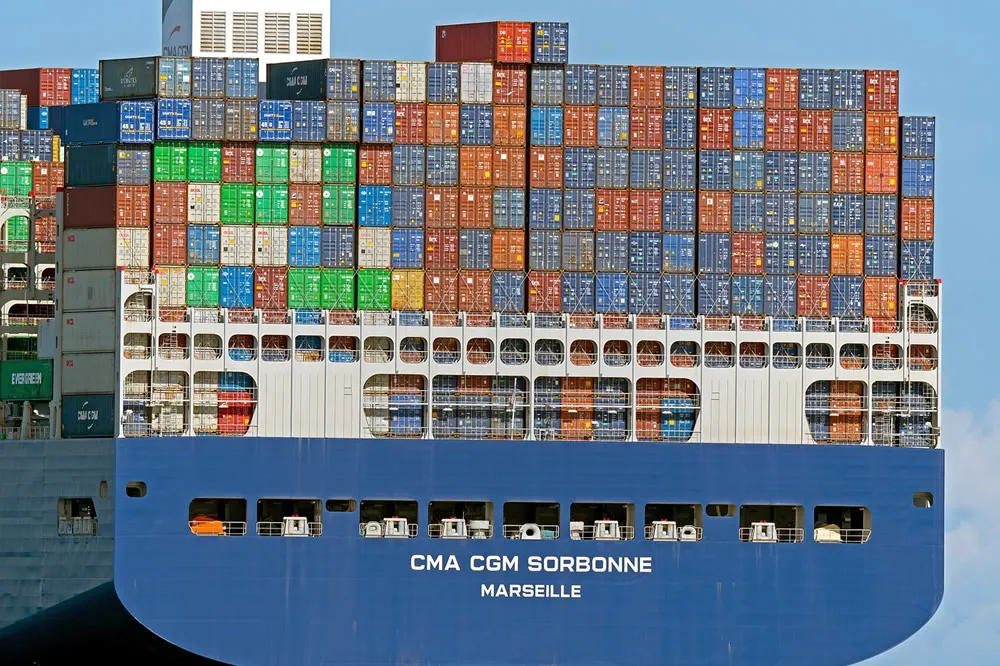
When an enterprise chooses agent export, many important export links are handled by the agent. For example, customs declaration and inspection procedures, although seemingly hassle-free, mean that the enterprise itself is greatly reduced in its participation in the entire export process. Mr. Zhuang had such an experience. After entrusting his products to an agent for export, he was completely unaware of some special circumstances that occurred during customs declaration. It was not until the goods were delayed that he learned that the customs declaration form was filled out incorrectly. If enterprises rely on agent export for a long time, their own employees will find it difficult to deeply learn and master the details of the export process. Once they need to conduct export business independently in the future, they will face many difficulties.
II. Poor Information Communication
Agent export involves multiple parties, including the enterprise itself, the agent, and foreign customers. In this process, accurate information transmission is crucial. However, in reality, information often experiences delays and distortions when flowing between different parties. Mr. Zhuang company encountered such a situation. They informed the agent of some special specifications of their products, hoping that this information would be accurately conveyed to foreign customers. However, the information ultimately received by foreign customers was inaccurate, leading to misunderstandings about the product and nearly causing the cancellation of the order. Furthermore, differences in communication frequency and methods between the enterprise and the agent can further affect the effective transmission of information.
III. High Costs
Agent export is not a free service; the agent will charge certain fees. These fees usually include agency fees, handling fees, etc. For enterprises with tight profit margins, this is undoubtedly a considerable expense. Taking the export of a certain type of small commodity as an example, the agency fee may account for a significant portion of the profit. Moreover, in addition to these explicit costs, there may sometimes be hidden costs, such as additional expenses incurred due to the agent's operational errors, such as storage fees for goods stranded at the port, which the enterprise has to bear.
IV. Limited Brand Building
In the agent export model, foreign customers often interact more with the agent and know little about the actual manufacturing enterprise behind the product. This makes it difficult for enterprises to establish their own brand image directly in the international market. In the long run, enterprises can only become behind-the-scenes producers and cannot truly push their brands to the world. It's like a company with high-quality products. Because it has been exporting through agents, foreign consumers only know the agent's brand and are unaware of the company's own brand, which is extremely detrimental to the long-term development of the enterprise.
V. Risk of Commercial Secret Leakage
When an enterprise entrusts its products to an agent for export, it will inevitably disclose some commercial secret information about the product's core technology, cost structure, etc. Although the agent has an obligation of confidentiality, in practice, no one can guarantee that this information will not be leaked. Once commercial secrets are leaked, it can bring huge losses to the enterprise, such as competitors obtaining the information and launching similar products, thereby seizing market share.
In summary, although agent export has its certain convenience, its disadvantages cannot be ignored. When choosing a trade method, enterprises must consider their own actual situation, weigh the pros and cons, and make a decision carefully. We hope that all entrepreneurs can fully consider these factors on the road to expanding overseas markets and find the development path that best suits them. We also welcome everyone to share their experiences and views on agent export in the comment section.

Recent Comments (0) 0
Leave a Reply