When Mr. Zhou first heard that his peers were boosting their profit margins by 30% through re-export trade, he thought it was a "gray area operation." It wasn't until he walked into a Free Trade Zone warehouse and saw containers with labels from different countries flowing in an orderly fashion that he realized this was an "invisible dividend" globalization offered to businesses. Today, we'll uncover this legitimate business strategy that allows goods to undergo an "international makeover."
The "Magic Principle" of Re-export Trade
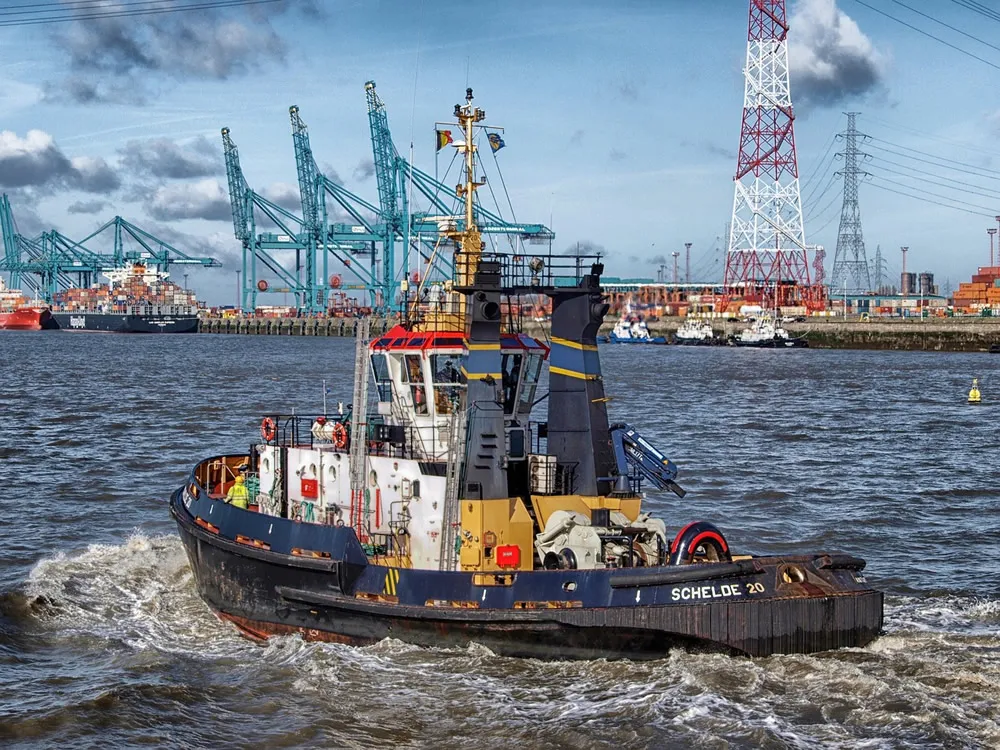
Imagine cashews you sourced from Vietnam, changing their packaging in Singapore's free port, and then entering Europe as an ASEAN product, enjoying tariff reductions—this is a classic scenario of re-export trade.Its core lies in leveraging differences in trade agreements between various countries, facilitating logistics transit and simple processing through a third-party region to achieve tariff optimization and cost savings.
- Logistics Transit Model: Goods physically stop in the Free Trade Zone but do not change form
- Value-Added Processing Model: Simple processes like packaging and sorting are completed in the Free Trade Zone
- Document Flow Model: Origin identity transformation is achieved solely through document operations
Why Free Trade Zones Have Become the "Golden Springboard" for Re-export Trade
Mr. Zhou cosmetics company recently moved its Asia-Pacific distribution center to the Dubai Free Trade Zone for a simple reason: it offers three major advantages: zero tariffs, rapid customs clearance, and foreign exchange freedom. Major global Free Trade Zones are competitively offering specialized services:
- Singapore: The world's most efficient 48-hour customs clearance system
- Rotterdam: Europe's largest bonded warehousing cluster
- Hong Kong: The only free port with unrestricted RMB/USD exchange
Zhongmaoda import and export data shows that in 2023, electronic products re-exported through Free Trade Zones saved an average of 14.7% in trade costs, a figure that represents the difference between survival and failure for traders in an era of thin margins.
Five Key Points for Compliance Boundaries
When goods undergo an "transformation" in a Free Trade Zone, these red lines must absolutely not be crossed:
- Origin documents must be authentic and traceable
- Simple processing must not change the product's HS code
- Transit stops must comply with the "substantial transformation" principle
- Special goods (e.g., medical devices) require additional certification
- Fund flows and goods flows must match
During a random inspection, a batch of Bluetooth earphones re-exported via Malaysia was ultimately subjected to punitive tariffs because the country of origin for the chips could not be proven—this reminds us: compliance is not a cost, but insurance.
New Ways to Play Brought by Digitalization
Blockchain technology is changing the rules of the re-export trade game. By automatically matching optimal re-export routes via smart contracts and enabling "cloud transit" for goods with digital warehouse receipts, these innovations empower small and medium-sized enterprises to navigate the global trade network. A recent typical case is:
A luggage factory in Zhejiang, using a digital re-export system, channeled its products through the Busan Free Trade Zone in South Korea for labeling before entering the Mexican market, surprisingly reducing overall logistics time by 11 days compared to direct export.
Do Your Goods Need an "International Makeover"?
The next time you see a product labeled "Made in XXX," consider asking: Has it undergone a fascinating re-export journey? Share your clever re-export cases in the comments, or consult a Zhongmaoda expert for a customized compliance solution. After all, in this era, merchants who know how to "take detours" often go further.

Recent Comments (0) 0
Leave a Reply