On the vast stage of international trade, re-export trade is attracting the attention of numerous enterprises with its unique charm. It acts like a shortcut hidden beside conventional trade routes, opening up new business horizons for companies. Today, let's delve into immediate re-export trade together and discover its true magic.
What is Immediate Re-export Trade
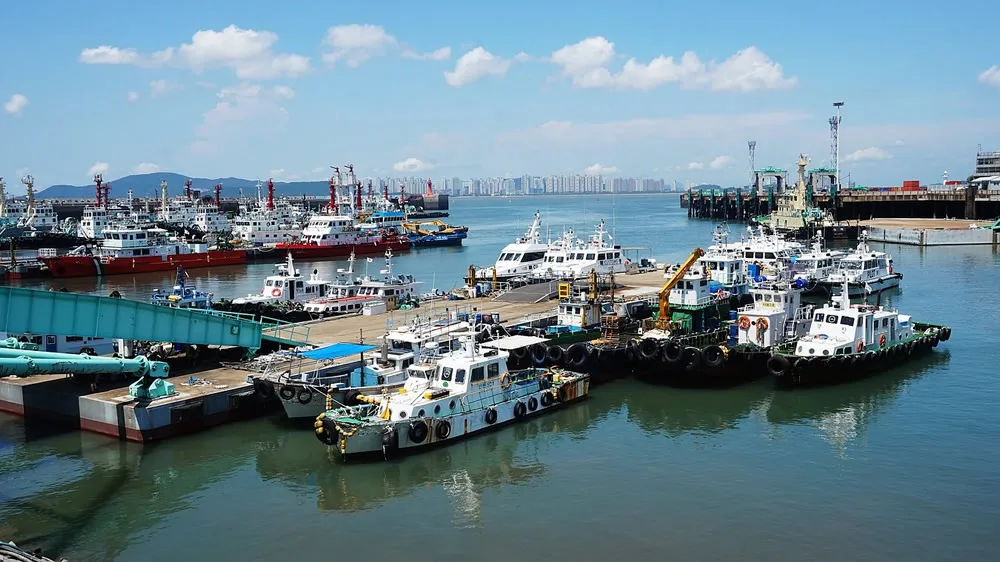
Immediate re-export trade, simply put, refers to goods that are imported and then directly exported to other countries or regions without undergoing substantial processing. For example, Mr. Shao company imports a batch of electronic products from Country A, and then quickly exports these products to Country B. The products might only have a brief stop in Mr. Shao warehouse without any processing that changes their fundamental characteristics. The uniqueness of this trade model lies in its clever utilization of differences in trade policies and market demands between various countries and regions, creating profit margins for businesses.
Advantages of Immediate Re-export Trade
Firstly, immediate re-export trade helps businesses circumvent trade barriers. In today's complex and ever-changing global trade environment, trade protectionism is on the rise in various countries, with tariffs, quota restrictions, and other barriers emerging endlessly. Mr. Shao company originally exported products directly to Country C but encountered high tariffs, leading to a significant increase in costs. Later, through immediate re-export trade, goods were first imported to Country D, which has lenient import policies for that product, and then re-exported to Country C, successfully avoiding high tariffs and maintaining the product's price competitiveness.
Secondly, it can effectively integrate global resources. Different countries have their own resource advantages, and through immediate re-export trade, businesses can fully utilize these advantages. For instance, a company imports raw materials from Country E, which is rich in raw materials, and then re-exports them to Country F, a country with developed manufacturing but scarce resources. After being processed into finished products in Country F, these are sold to the global market, achieving optimal allocation of resources on a global scale and enhancing the company's economic benefits.
Furthermore, immediate re-export trade can help businesses expand markets. Through re-export trade, companies can reach more customers in different regions, understand the demand characteristics of various markets, and then adjust their product strategies to open new market doors.
How to Conduct Immediate Re-export Trade
To conduct immediate re-export trade, businesses must first thoroughly understand the trade policies and regulations of different countries and regions. This is the foundation for successful re-export trade, as subtle policy differences can significantly impact trade processes and costs. Businesses can consult professional trade service agencies, such as Zhongmaoda, to obtain accurate and detailed policy information.
Secondly, establishing a stable and reliable supply chain is crucial. From procurement and transportation to warehousing, every link needs to be seamlessly connected to ensure timely and safe circulation of goods. Businesses should establish long-term cooperative relationships with high-quality suppliers and logistics providers to guarantee the stable operation of the supply chain.
Furthermore, risk control cannot be overlooked. Exchange rate fluctuations, changes in political situations, and other factors can all bring risks to re-export trade. Businesses should use reasonable financial tools, such as forward exchange contracts, to manage exchange rate risks; at the same time, they should closely monitor the international situation and prepare in advance for contingencies.
Seize the Opportunity, Explore Immediate Re-export Trade
As an important model in international trade, immediate re-export trade offers numerous development opportunities for businesses. In today's continuously advancing globalization, enterprises should actively understand and experiment with this trade model, fully leverage its advantages, and open up broader development space in the global market. Do not hesitate; act immediately to explore the infinite possibilities of immediate re-export trade, allowing your enterprise to ride the waves of international trade, break through challenges, and sail far.

Recent Comments (0) 0
Leave a Reply