In the complex network of international trade, re-export trade acts as a unique bridge, connecting markets in different countries. Re-export trade Incoterms are like crucial signposts on this bridge, guiding the smooth execution of trade processes. Today, let us delve into the mysteries of re-export trade Incoterms.
Analysis of Common Re-export Trade Incoterms
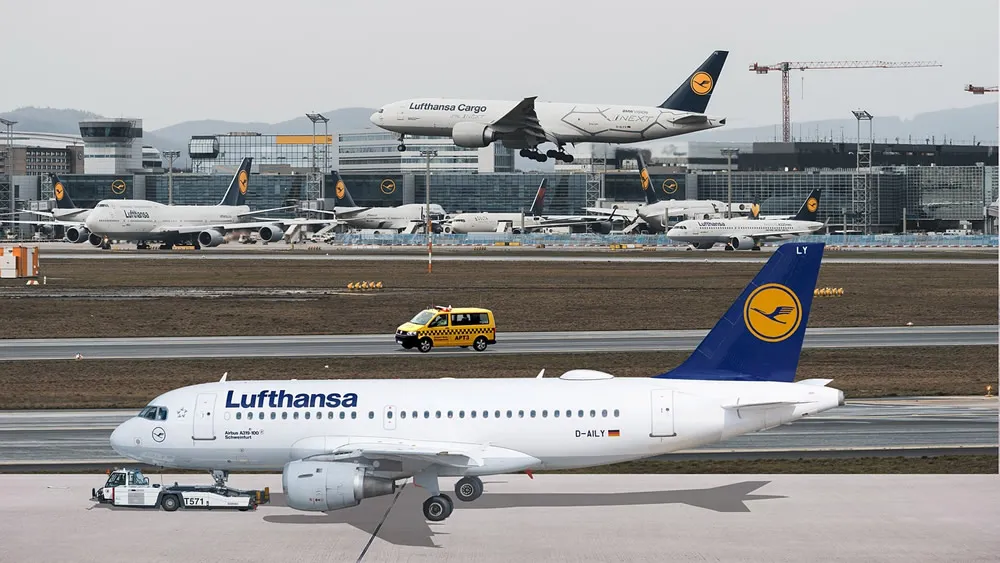
First, let's look at one of the most commonly used Incoterms — FCA (Free Carrier). In a re-export trade scenario, if FCA is used, the seller completes delivery by placing the goods at the named place into the custody of the carrier nominated by the buyer, and having completed export customs formalities. For example, Mr. Yao, engaged in electronics re-export trade, delivers the goods to the carrier in Shenzhen, and subsequent transportation and other responsibilities are primarily borne by the buyer.
Another important Incoterm is CPT (Carriage Paid To). When CPT is used, the seller pays the freight for the carriage of the goods to the named destination. For instance, Mr. Yao runs a clothing re-export business. She is responsible for transporting the clothing from the origin to a named place in the destination port city, bearing the freight costs during this process, but once the goods are delivered to the carrier, the risk transfers to the buyer.
CIP (Carriage and Insurance Paid To) is also a common Incoterm. Unlike CPT, under CIP, the seller not only pays the freight, but also procures insurance against the buyer's risk of loss of or damage to the goods during carriage. This is an excellent safeguard for high-value or high-risk goods in re-export trade. Suppose Mr. Wang re-exports precision instruments. By choosing CIP, he can provide insurance coverage for the instruments throughout the entire transportation process.
Factors Influencing Incoterm Selection
Cargo characteristics are an important factor influencing Incoterm selection. If the goods are perishable fresh products, to ensure safe and timely arrival, terms like CIP, which allow better control over transport and insurance, might be prioritized. The mode of transport also has an impact. For sea transport, terms applicable to water transport might be considered, whereas for air transport, more flexible terms like FCA might be more suitable.
Furthermore, the preferences of both trading parties regarding the division of responsibilities also influence Incoterm selection. If the buyer wishes to be more involved in the transport and insurance aspects, they might lean towards terms like FCA. Conversely, if the seller desires more control over cargo transportation, they might choose terms like CIP or CPT.
Optimizing Re-export Trade Efficiency Through Proper Use of Incoterms
Accurately selecting and applying re-export trade Incoterms not only clearly defines the responsibilities, risks, and costs for both buyers and sellers, but also effectively reduces trade costs and enhances trade efficiency. For instance, by judiciously choosing terms, companies can avoid unnecessary insurance expenses, or achieve greater flexibility in transport arrangements, saving both time and cost.
We hope that all friends involved in re-export trade will deeply understand and skillfully apply these Incoterms, to advance steadily on the stage of international trade and achieve greater trade successes. Let us together, in the field of re-export trade, continuously explore and practice, fully leverage the role of Incoterms, and enhance trade efficiency.

Recent Comments (0) 0
Leave a Reply