In the complex landscape of international trade, re-export trade holds a unique position. For enterprises and individuals engaged in re-export trade, a common and critical question often lingers: do goods in re-export trade necessarily have to enter bonded zones? Today, let us delve into this topic together and unravel its mysteries.
Basic Concepts of Re-export Trade and Bonded Zones
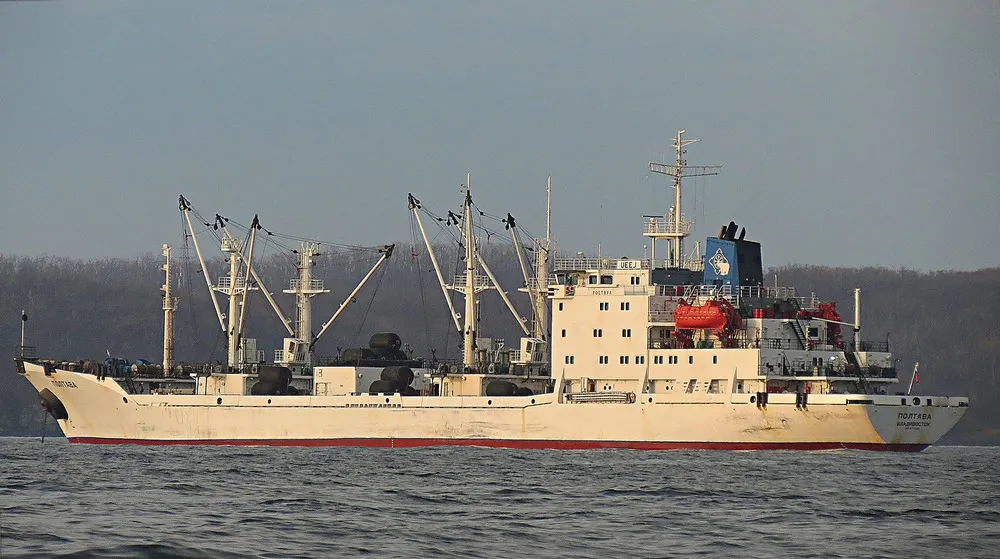
First, let's clarify the definition of re-export trade. Re-export trade, also known as transit trade, refers to international trade where the buying and selling of import and export goods are not conducted directly between the producing country and the consuming country, but rather through a third country. This mode of trade can help enterprises circumvent trade barriers and leverage policy advantages in different regions.
A bonded zone, on the other hand, is an economic area approved by the State Council and subject to special customs supervision, possessing the characteristic of being "outside the territory but inside the customs." When goods enter a bonded zone, they are, to a certain extent, like entering a special tariff-free zone, enjoying numerous tariff and trade facilitation policies.
Advantages of Re-export Trade Goods Entering Bonded Zones
Many enterprises tend to store re-export trade goods in bonded zones, and there are sound reasons for this. On one hand, bonded zones possess robust warehousing capabilities, providing secure and reliable storage space for goods. For goods in re-export trade that need to stay in a third country for a period before onward shipment, good warehousing conditions are crucial.
On the other hand, from a tax perspective, no import duties are paid when goods enter a bonded zone. Related taxes and fees are only payable when the goods actually leave the zone and enter the domestic market. This significantly optimizes the company's cash flow. During the storage period, enterprises can flexibly arrange the use of funds, reducing the cost of capital occupation. For instance, Mr. Li enterprise is engaged in re-export trade of electronic products. After the goods enter the bonded zone, he can use this time to find more suitable buyers, without having to pay customs duties in advance, greatly alleviating financial pressure.
Situations Where Re-export Trade Goods Do Not Enter Bonded Zones
However, re-export trade goods do not necessarily have to enter bonded zones. In some situations, goods can be directly transited at ordinary ports or logistics hubs in the third country. For example, when the goods involved in re-export trade stay in the third country for a very short period, solely for simple processing such as changing transportation vehicles or repackaging, and the ordinary logistics facilities in the third country can meet these operational requirements, there is no need to enter a bonded zone.
Furthermore, for certain products that do not have high storage requirements and where the enterprise has reached fast-turnover agreements with upstream and downstream customers, goods can be transited directly at ordinary sites, thereby saving the warehousing, management, and other fees incurred by entering a bonded zone. Mr. Li enterprise re-exports seasonal fruits. Due to their short shelf life, to expedite the delivery of goods to the consuming country, they opt for quick transit at ordinary ports, avoiding potential delays that entering a bonded zone might cause.
How to Make a Choice
So, how should enterprises make their choice in actual operations? This requires a comprehensive consideration of multiple factors. The nature of the goods, storage requirements, transit time, budget, and convenience of the trade process are all important decision-making criteria. If the goods are high in value, have stringent storage requirements, a long transit time, and the enterprise wishes to benefit from tax incentives offered by bonded policies, then entering a bonded zone may be a better choice. Conversely, if the transit operations are simple, time is critical, and cost is a sensitive factor, not entering a bonded zone might be more appropriate.
There is no absolute standard for whether re-export trade goods enter bonded zones. Enterprises need to assess their actual situation, weigh the pros and cons, and make the decision that best suits their development. We hope today's discussion can provide some useful reference for friends engaged in re-export trade on this crucial issue, allowing them to navigate the international trade arena with greater ease.

Recent Comments (0) 0
Leave a Reply