When you see sneakers with Chinese logos being snapped up on New York's Fifth Avenue, or spot a down jacket in Paris's Galeries Lafayette priced three times higher and still sold out, there's likely a little-known facilitator behind it – a professional export agent service provider. Today, we'll unveil this secret channel that allows domestic brands to "travel light" and conquer the world.
I. Why Are Top Brands "Borrowing Boats to Go Global"?
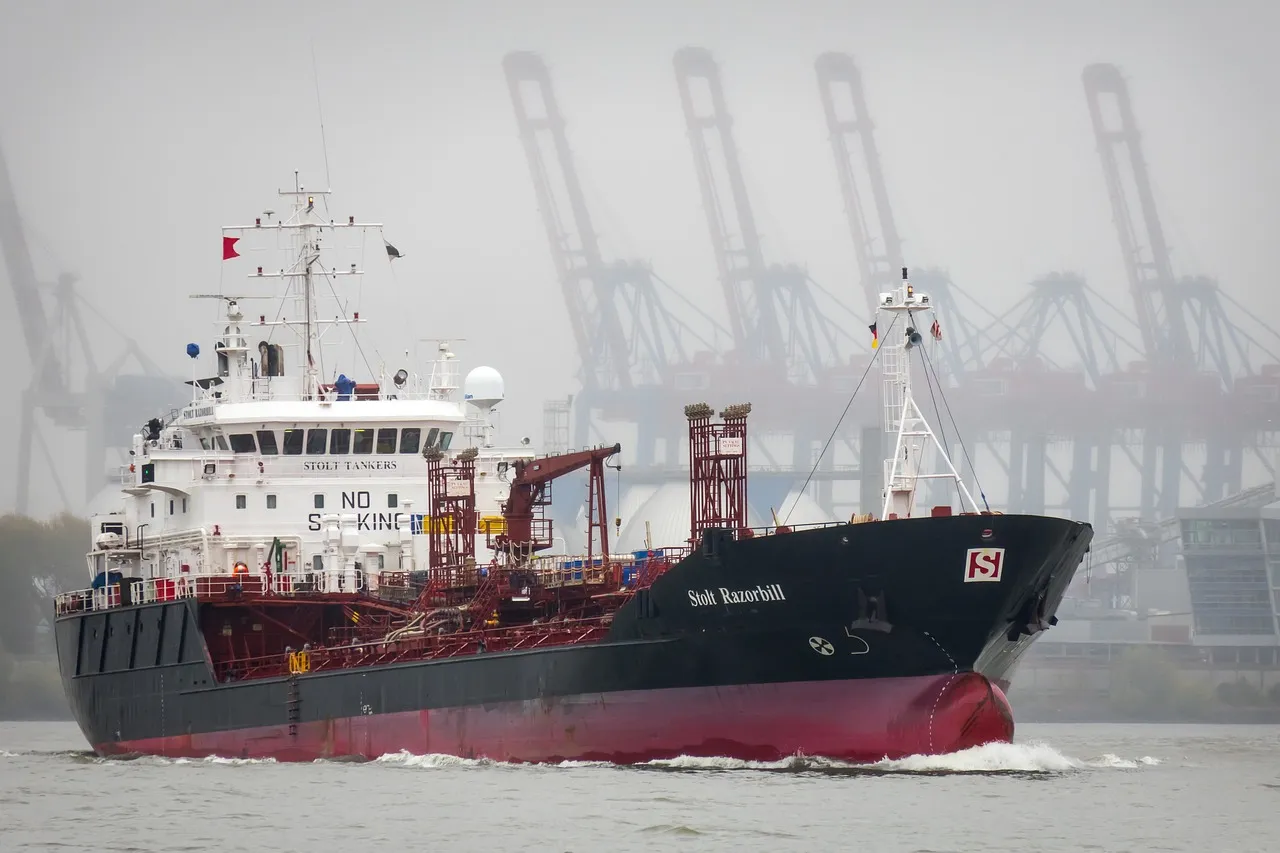
When Mr. Yao foreign trade company took on European orders for a certain sports brand last year, he noticed an interesting phenomenon: the same model of running shoes sold for 599 yuan domestically, but after entering Germany through an export agent channel, the tag price reached 179 euros (approximately 1400 yuan). The premium pricing space didn't come from tariffs, but from the "three-stage value jump" completed by the agent:
- Localization Modification: Adjusting last data according to European foot shapes
- Compliance Upgrade: Eco-friendly dyes with REACH certification
- Channel Empowerment: Direct entry into 3 regional boutique stores
This explains why more and more brands are choosing to cooperate with professional agents – just as climbers need Sherpa guides, the glacial crevasses of the international market are far more numerous than imagined.
II. What's in the "Arsenal" of Export Agents?
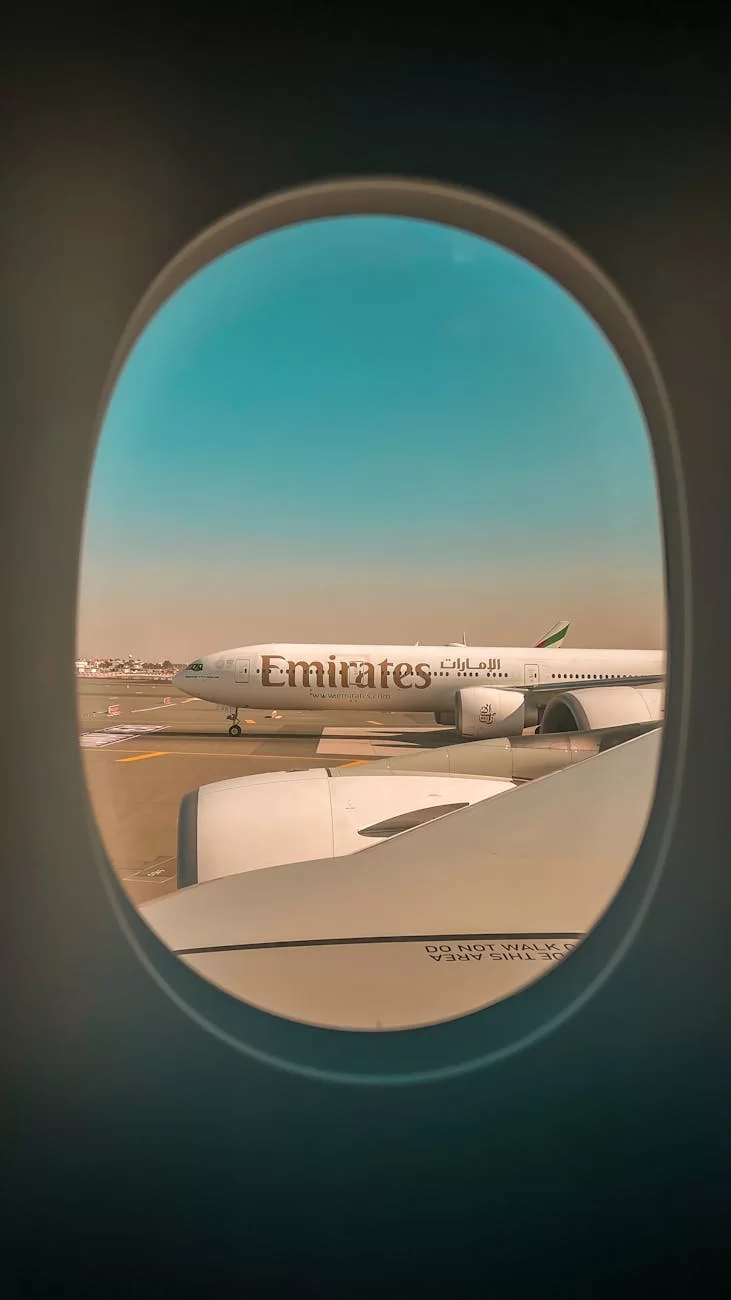
Mr. Yao agent team once completed an urgent order in 18 hours, from receiving the request to loading the goods onto an Emirates cargo plane. During this time, they completed:
- 7 customs declaration documents in different languages
- 3 religious custom reviews for Muslim countries
- 1 backup plan activation for a sudden port strike
The true core competitiveness doesn't lie in the speed of document processing, but in the "failed cases" accumulated in their database: an entire batch returned due to incorrectly printed Ramadan dates on packaging, a shipment detained by customs due to the taboo cultural meaning of a certain color... These experiences, paid for with real money, form the moat of agent services.
III. How is Digitalization Reshaping Traditional Agency Models?
When a certain brand wanted to explore the Southeast Asian market, Zhongmaoda's intelligent product selection system provided counter-intuitive advice: focus on winter down jackets. Data tracking showed:
- The constant temperature system in high-end Malaysian shopping malls is maintained at 18℃ year-round
- Staff uniforms in high-end Indonesian hotels require windproof materials
- Business travelers flying between Singapore and China/Japan/Korea have "one garment, two climates" needs
This cross-analysis based on climate data, consumption scenarios, and travel routes is rewriting the product selection logic for traditional exports. It's like surfers no longer just looking at the immediate waves, but predicting the entire ocean currents through satellite imagery.
IV. The Next Decade: Value Reconstruction of Agency Services
As cross-border e-commerce platforms continuously lower channel barriers, the transformation direction for professional agents is clear: upgrading from "logistics managers" to "brand surgeons". During an incident where a product was notified of quality issues by the EU, the agent's crisis management plan included:
- Organizing a re-inspection by a third-party testing agency within 48 hours
- Simultaneously preparing media statement templates and legal disclaimer documents
- Activating a list of pre-arranged alternative suppliers
This capability can no longer be defined as "freight forwarding," but is more like a brand's immune system in the international market. Just as sailors in the Age of Navigation needed astrolabes, businesses in the digital trade era need new navigators.
When you pick up a product in a mall that says "Made in China" but is full of international design elements, take a moment to think about the "invisible engineers" who built the cultural bridge behind it. They are proving with their professional capabilities that true globalization is not about eliminating differences, but about allowing differences to create premium pricing. Is your enterprise ready to seize this "cognitive dividend"?

Recent Comments (0) 0
Leave a Reply