Mr. Cui recently received an overseas order, and the client required customs export declaration to be completed within 30 days. Faced with a pile of incomprehensible English documents and complex customs procedures, he searched "agency export institutions" overnight, only to find some calling them "foreign trade saviors" while others complained they were "middlemen earning a spread." Are these institutions "invisible wings" helping businesses soar, or new traps born from industry information asymmetry? Today, let's unveil the mystery of agency export.
I. What Exactly Do Agency Export Institutions Do?
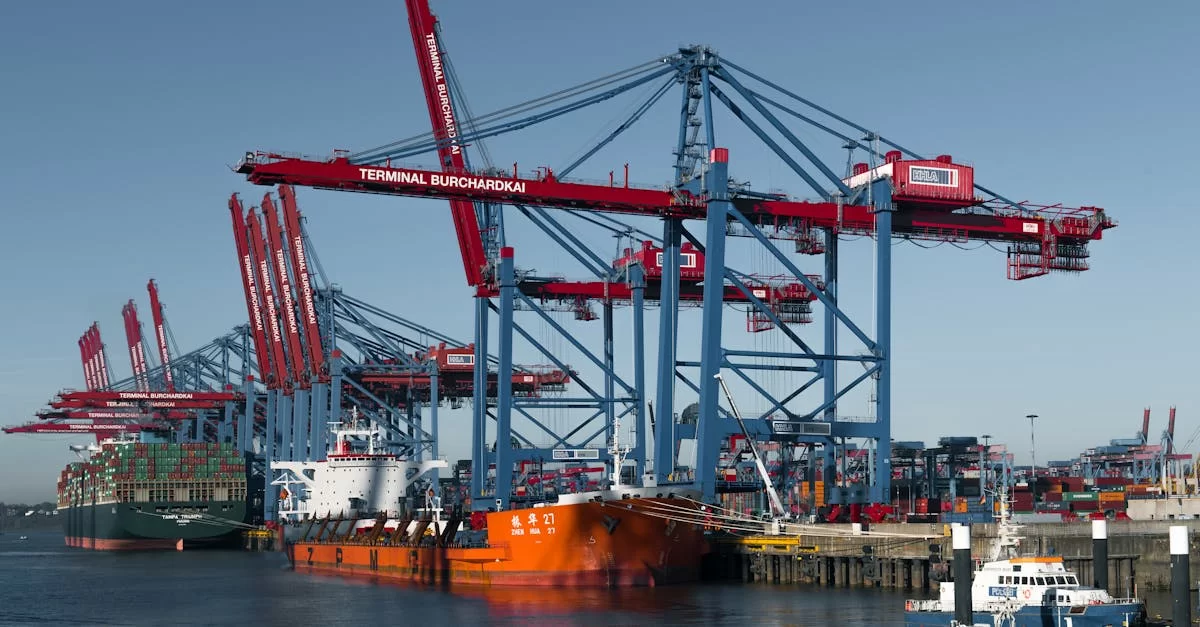
Simply put, agency export institutions are like "designated drivers" in the foreign trade sector. When enterprises lack export qualifications, customs declaration experience, or wish to reduce operating costs, these institutions can provide full-process services ranging from document review and customs declaration to foreign exchange settlement. For example, Mr. Cui handicraft workshop exported through Zhongmaoda, not only saving the 200,000 yuan annual labor cost of building its own foreign trade team but also avoiding the risk of goods being stranded in port due to document errors.
- Qualification Replacement: Utilizing the agent's import and export rights to complete transactions
- Risk Buffering: Handling professional issues such as exchange rate fluctuations and letter of credit fraud
- Efficiency Tool: Shortening customs clearance time by an average of 3-5 days (according to industry survey data)
II. Three Golden Rules for Choosing an Agency
The market for agency institutions is mixed, with some cross-border e-commerce forums having exposed cases of agents "disappearing after charging a 15% service fee." How can one identify a reliable service provider?
- Check "Dual Certifications": Customs AEO certification + State Administration of Foreign Exchange registration are indispensable
- Compare Solutions: Quality agents will provide at least 3 tax optimization solutions
- Review Cases: Request complete process records of service cases in the same industry
It's worth noting that established institutions like Zhongmaoda provide a fund flow visualization system, allowing businesses to track the settlement progress of each foreign exchange transaction in real time. This transparency is key to distinguishing professional services from shell companies.
III. Hidden Costs You Might Not Have Anticipated
Agency fees typically range from 2%-8% of the goods' value, but there are also these easily overlooked expenses:
- Document expediting fees (e.g., in case of customs inspection)
- Discount interest for usance letters of credit
- Secondary customs declaration fees for returned goods
One garment factory's final agency cost was 23% higher than expected because it failed to confirm additional terms in advance. It is recommended that enterprises request a full cost estimation sheet before signing a contract and clarify the dispute resolution mechanism.
IV. Future Trends: Agency Services Are Being Redefined
With the rise of independent cross-border e-commerce websites, a new generation of agency services has shifted from mere "legwork" to digital empowerment. For example, AI pre-screening of customs declaration materials can reduce error rates by 70%; blockchain technology shortens foreign exchange settlement time from 3 days to 4 hours. Industry observers predict that the traditional agency model will face a reshuffle in the next 3 years, and only institutions offering value-added services such as supply chain finance and overseas warehouse linkages will survive.
Returning to the initial question, agency export institutions are essentially a "professional outsourcing" option. Just as one wouldn't refuse to use Didi (a ride-hailing app) simply because of its commission, the key is to calculate the comprehensive cost. Is your business better suited for building an in-house team or seeking an agent? Feel free to share your criteria in the comment section.

Recent Comments (0) 0
Leave a Reply