On the vast stage of international trade, there are many ways to conduct export business. Among them, entrusted export and agency export are modes that many enterprises get involved with. But what exactly are the differences between these two modes? And what situations are they each suitable for? Today, let's delve into this together.
I. Entrusted Export: Entrusting Your Business with Peace of Mind
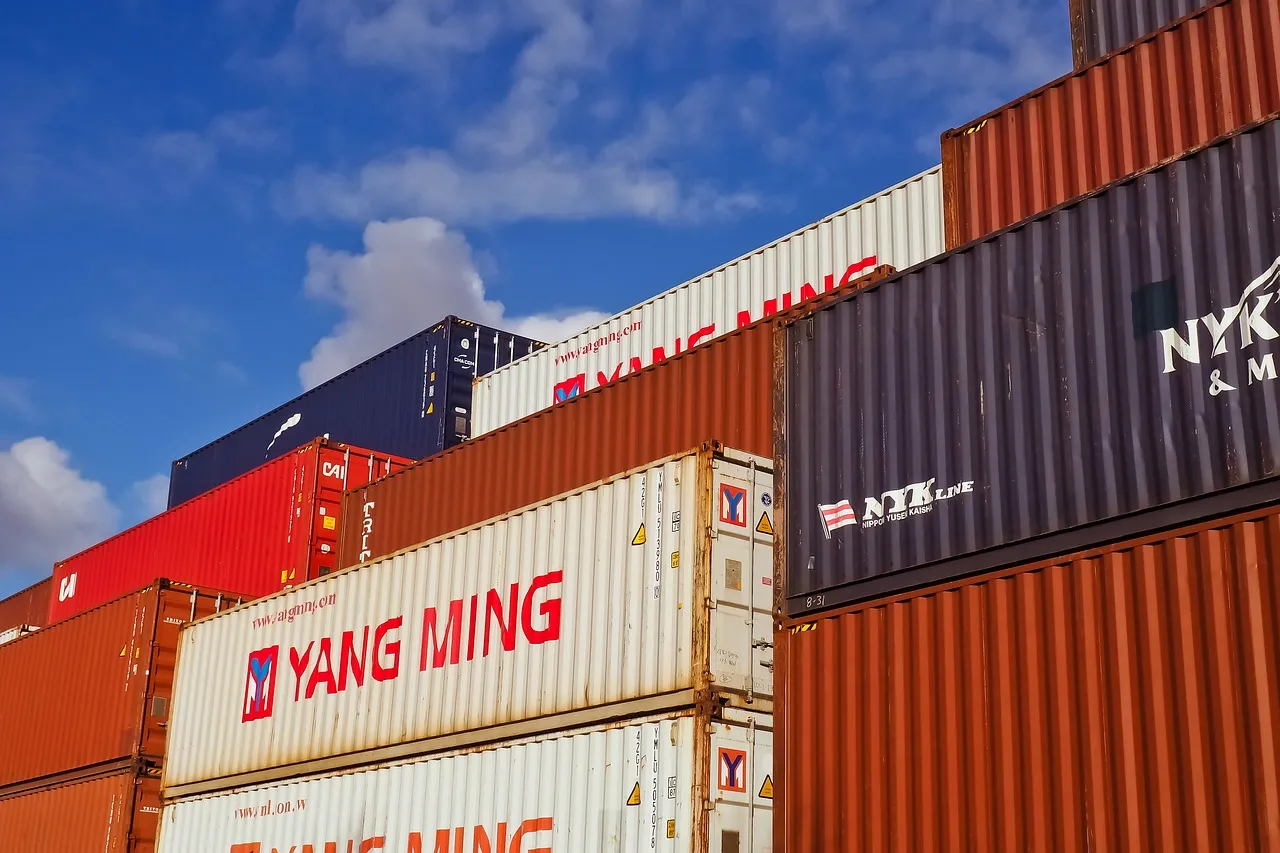
Meaning: Entrusted export refers to a mode of export where an enterprise sells its goods to a foreign trade company with import and export rights, and the foreign trade company handles the export procedures and charges a certain handling fee. Simply put, it means an enterprise has products to export but does not want to or cannot handle the complex export processes, so it finds a qualified "helper" to complete these operations.
Advantages:
- For the entrusting enterprise, it is hassle-free and labor-saving. They don't need to study the complicated procedures for customs declaration, inspection, tax refund, etc., but can leave professional matters to professional foreign trade companies, allowing themselves to focus on core businesses such as product manufacturing and R&D.
- The risk is relatively low. Foreign trade companies are experienced in export business and can better cope with risks such as trade barriers and exchange rate fluctuations, reducing the potential troubles that the entrusting enterprise may encounter during the export process.
Disadvantages:
- Profits may be affected. After all, foreign trade companies charge handling fees, which to some extent reduces the profit margin for the entrusting enterprise.
- Control over the export business is relatively low. The entire export process is mainly operated by the foreign trade company, and the entrusting enterprise may not be able to keep track of every detail in real-time.
II. Agency Export: A Collaborative Export Mode
Meaning: Agency export is a mode of export where a foreign trade company accepts the entrustment of the principal and handles export procedures in the name of the principal, and the foreign trade company charges an agency fee. Here, the foreign trade company acts more like an "agent," carrying out export-related matters according to the principal's requirements and instructions.
Advantages:
- The principal has a higher degree of control over the export business. They can have the foreign trade company handle various procedures according to their own wishes based on their needs and market conditions, better realizing their export strategies.
- Fees are relatively flexible. The agency fee can be negotiated by both parties. Unlike entrusted export, which may have a relatively fixed handling fee model, there is room for cost control.
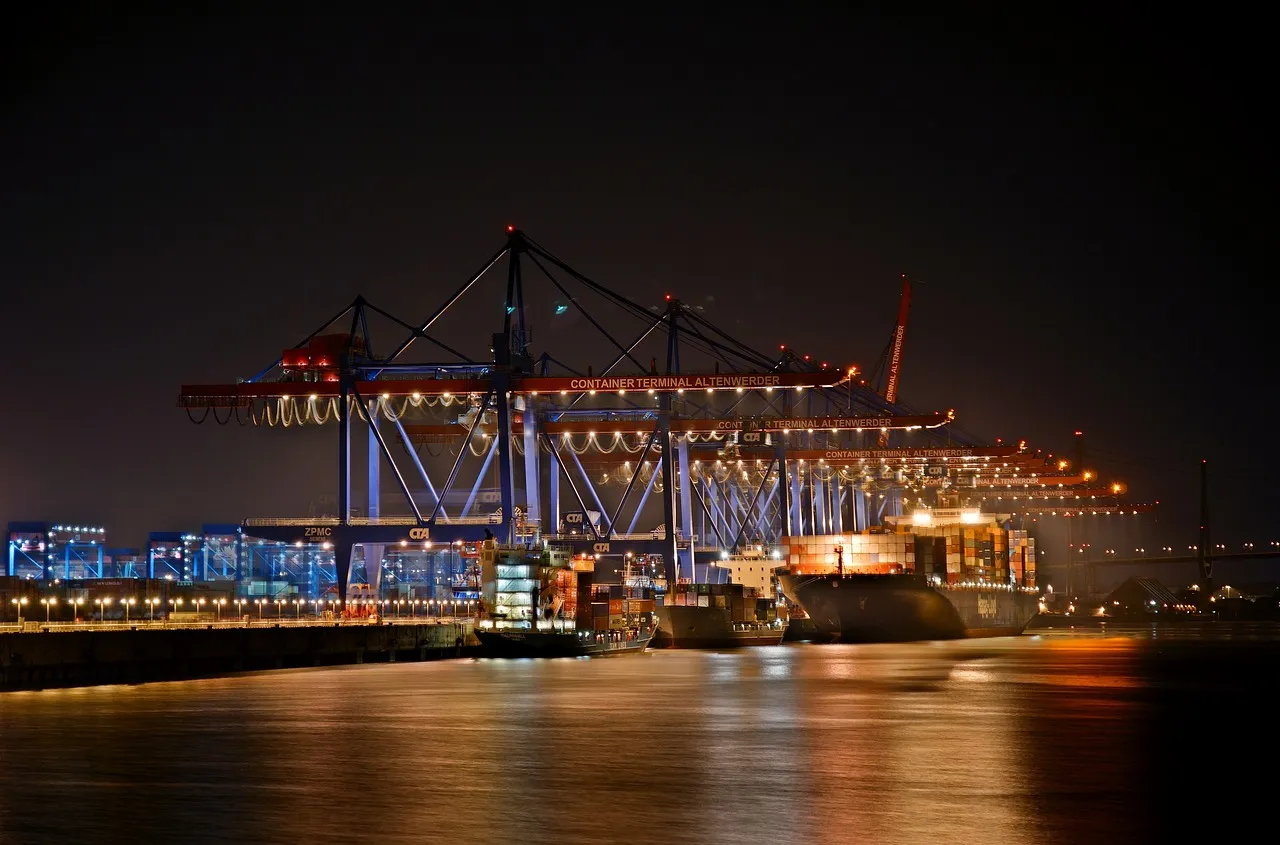
Disadvantages:
- The principal needs to bear more responsibility. Because exports are conducted in their own name, they need to directly face and handle issues such as trade disputes and policy problems, which requires a relatively high level of foreign trade knowledge and capability.
- The choice of foreign trade company is more critical. If an unreliable foreign trade company is chosen, it may lead to various problems in export business, such as delays and errors.
III. How to Choose the Right Export Mode for You?
For enterprises, choosing between entrusted export and agency export requires considering multiple factors. If an enterprise is not familiar with export business and wishes to focus its energy mainly on the product itself, then entrusted export may be a good choice. If an enterprise has some foreign trade knowledge reserves, wants stronger control over export business, and is willing to bear corresponding responsibilities, agency export may be more suitable.
At the same time, regardless of the chosen mode, thorough investigation of the cooperating foreign trade company is essential. Understand their reputation, qualifications, and business capabilities to ensure that export business can be conducted smoothly and efficiently.
In summary, both entrusted export and agency export have their own advantages and disadvantages. Enterprises should weigh the pros and cons based on their own actual situation to make the most suitable choice, so as to ride the waves in the tide of international trade and achieve good development of export business. We hope that after understanding these two export modes, everyone can make wise decisions in their export business. We also welcome everyone to share their views and experiences in the comment section.

Recent Comments (0) 0
Leave a Reply