Late at night, within the Dongguan Free Trade Zone, container trucks continue to shuttle between brightly lit warehouses. Mr. Gao has just concluded a video conference with a Middle Eastern client. The three screens in front of him display real-time exchange rates, the Baltic Dry Index, and the berthing queue situation at the Port of Singapore. "This batch of photovoltaic modules is being re-exported from Vietnam to Europe, and the client requires the Certificate of Origin to show Malaysia," he says, rubbing his temples. "This is already the third order this week that requires special handling."
The Dongguan Model of Re-export Trade
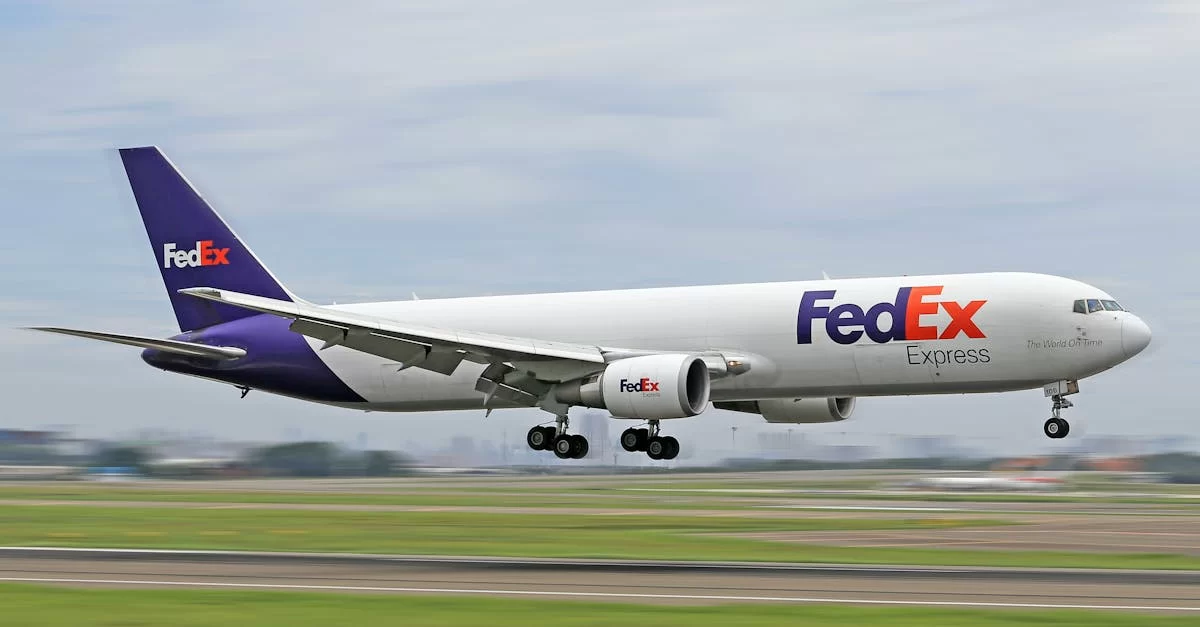
As the hinterland of global manufacturing, Dongguan's re-export trade suppliers have long surpassed the role of simple "middlemen." Supply chain networks built by companies like Zhongmaoda can achieve a closed triangular logistics loop of China-ASEAN-Europe and America within 72 hours. This capability stems from three core advantages:
- Geographical Arbitrage Experts: Proficient in the rules of origin for 26 free trade agreements, capable of accurately calculating tariff differences.
- Document Magicians: Skillfully handle the "artistic adjustment" of 15 types of trade certificates such as FORM E and EUR.1.
- Logistics Transformers: Can switch between sea freight/China-Europe Railway Express/air freight combination solutions at any time.
The Invisible Cost Game
Mr. Gao trading company recently handled a typical case: an American client requested that smart speakers produced in Dongguan be re-exported via the Port of Kaohsiung in Taiwan, with the final destination being Chicago. Behind this seemingly simple request lies meticulous calculation:
- Choosing Kaohsiung over Yantian Port saves 3.5% in Section 301 tariffs.
- Utilizing RCEP cumulation rules to achieve 35% regional value content.
- Arbitrage on the price difference between the shipping company's contract price and the spot market.
"The real profit is often hidden in the remarks section on the back of the bill of lading," Mr. Gao says, showing a fumigation certificate that has undergone "technical treatment." "These operations are like walking a tightrope; one must be bold yet cautious."
Survival Rules in the Digital Age
While traditional traders are still managing orders with Excel, leading re-export suppliers have deployed blockchain traceability systems. The intelligent compliance platform developed by Zhongmaoda can automatically identify regulatory red lines in over 200 countries, such as:
- Real-time monitoring of updates to the EU's REACH regulation.
- Predicting the US Customs' "List of Special Concern."
- Automatically generating Halal certification documents compliant with Islamic law.
Mr. Gao opens his mobile APP and shows reporters how AI can simulate the customs clearance success rate for different re-export routes: "This prediction model is fed with five years of 200,000 customs declaration data, and it's now more accurate than the intuition of veteran customs brokers."
Does the Future Belong to Rule Breakers?
Standing in front of the glass curtain wall of a five-story warehouse in the Dongguan Free Trade Zone, one can see containers from various countries being reassembled. Behind these seemingly chaotic operations lies a sophisticated practice of geoeconomics. As global trade rules become increasingly like "Matryoshka dolls," the true winners may be those who can see through the gaps of each doll.
Have you encountered any re-export requirements that left you helpless? Feel free to share your "impossible missions" in the comment section. Perhaps the trade experts in Dongguan already have solutions ready.

Recent Comments (0) 0
Leave a Reply