Hey, all you foreign trade experts and friends interested in export business! Today, we're embarking on an exploration journey into export declaration shipping methods. On the grand stage of international trade, the shipping method for export declarations is a crucial link, directly impacting whether goods can reach their destination smoothly, efficiently, and safely. So, let's unveil its mysterious veil together.
I. Sea Freight - The Traditional and Powerful Mainstay of Transportation
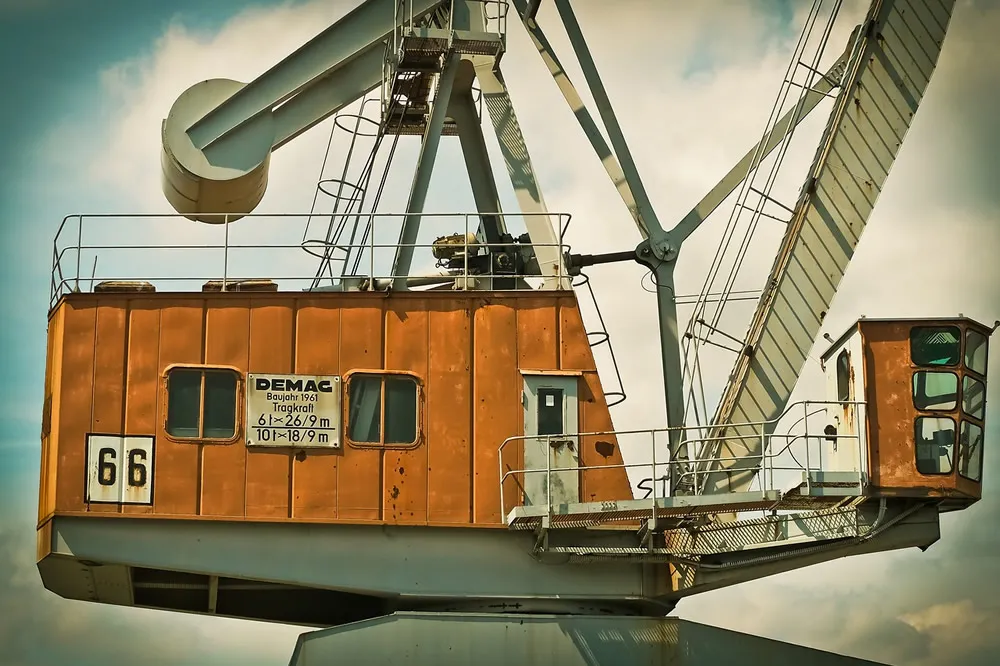
Sea freight, as the most traditional and widely used shipping method in international trade, boasts numerous advantages. Firstly, its carrying capacity is immense, capable of transporting large quantities of goods, making it the perfect choice for high-volume exports. Examples include large machinery, substantial raw materials, and so on.
Moreover, the cost of sea freight is relatively low. Although the transit time may be longer, for goods that are not particularly time-sensitive, sea freight can significantly save on transportation expenses. However, sea freight also has its considerations. For instance, during the export declaration process, the required documentation can be relatively complex, such as bills of lading, packing lists, commercial invoices, etc., all of which must be submitted accurately and without error to ensure a smooth declaration process.
II. Air Freight - The Fast and Efficient Vanguard of Transportation
When cargo has extremely high time sensitivity requirements, air freight makes its grand entrance. For goods that are high-value, perishable, or urgently needed components, air freight is often the preferred method. It can deliver goods to their destination at an extremely rapid pace, significantly shortening transit times.
However, the cost of air freight is considerably higher than sea freight. Furthermore, in terms of export declarations, relevant documents must also be prepared strictly according to regulations, such as air waybills and customs brokerage forms. As air freight cargo is typically of high value, customs inspections may also be more stringent.
III. Land Transport - The Flexible and Convenient Transportation Partner
For trade with neighboring countries, land transport demonstrates its advantages. It offers high flexibility, allowing for the choice between road or rail transport based on actual circumstances. Road transport is suitable for small batches and short-distance cargo, enabling door-to-door service and offering great convenience.
Rail transport is more applicable for situations with large transport volumes, relatively long distances, and less urgent time requirements. During export declarations, land transport also needs to comply with relevant regulations, preparing necessary documents such as waybills and customs declarations to ensure smooth customs clearance of goods.
IV. Multimodal Transport - Integrated Transportation with Comprehensive Advantages
Nowadays, another increasingly popular shipping method is multimodal transport. It organically combines different modes of transportation, for example, consolidating goods by land to the port and then shipping them by sea to the destination, or delivering them to the final customer by land after arriving at the destination port.
This method can fully leverage the advantages of various transportation modes, utilizing the low cost of sea freight, the flexibility of land transport, and the speed of air freight. For export declarations, multimodal transport requires coordinated consideration of the declaration requirements for each transportation segment to ensure that the declaration work throughout the entire transportation process is completed smoothly.
In summary, different export declaration shipping methods have their own pros and cons. Foreign trade enterprises and relevant practitioners need to comprehensively consider factors such as the characteristics of the goods, customer requirements, and costs to select the most suitable shipping method. This way, in the tide of international trade, goods can successfully "cross the ocean" and reach their destination, ensuring the smooth progress of trade. Do you have any special experiences or encountered any difficulties in your actual operations? Feel free to leave a comment and share!

Recent Comments (0) 0
Leave a Reply