In the current era of economic globalization, international trade is becoming increasingly frequent. For enterprises engaged in export business, export document handling is a crucial task, serving as the "pass" on the international trade stage and running through the entire process of goods export. Today, let's delve into the key points related to export document handling.
Common Types of Export Documents
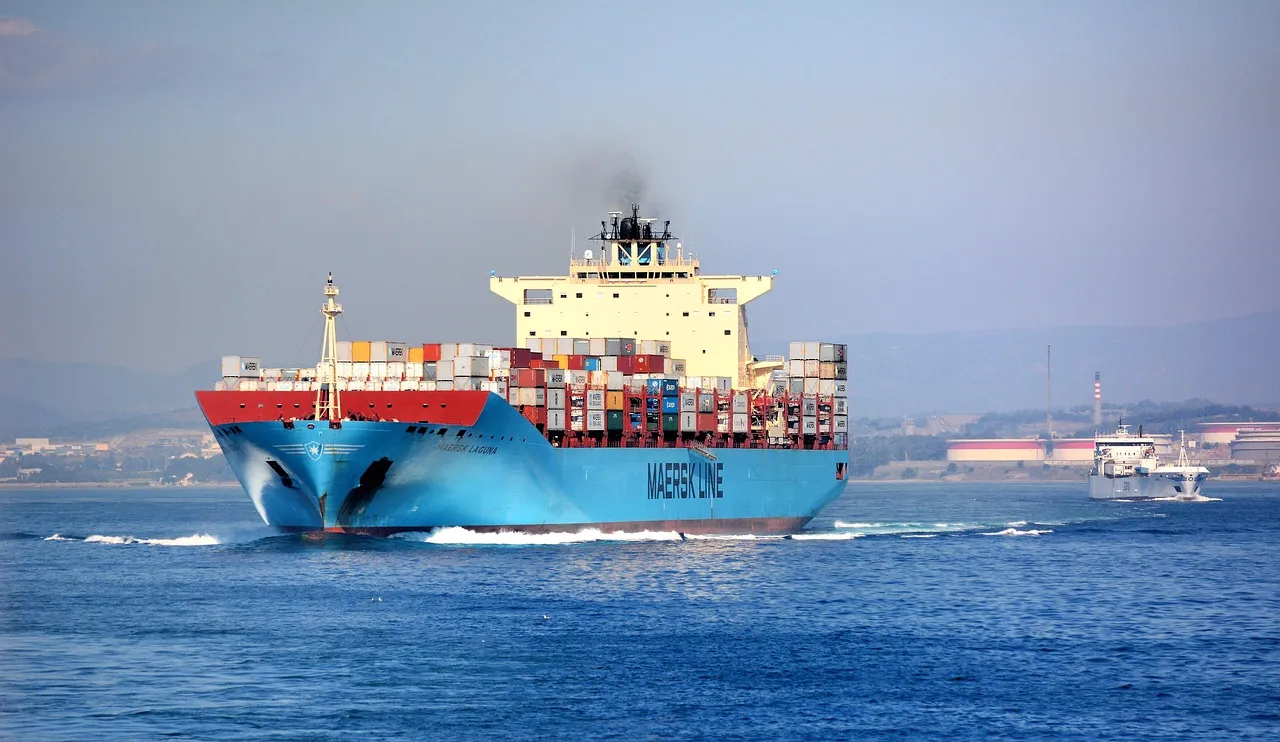
Firstly, the commercial invoice is an indispensable document. It is issued by the exporter to the importer, providing a comprehensive and detailed description of the goods shipped, and is used to collect payment from the buyer. In simple terms, it's like the "price tag" for the goods, detailing information such as the name, specifications, quantity, unit price, and total price of the goods.
Secondly, the bill of lading is hailed as the "golden document" in international trade. It is a receipt for the goods issued by the carrier to the shipper after receiving or loading the goods onto the ship. It also serves as proof of the transportation contract between the carrier and the shipper, and more importantly, as evidence of ownership of the goods. Possessing the bill of lading is equivalent to having control over the goods.
Furthermore, the packing list should not be overlooked. It details the packaging of the goods, including the type and number of pieces in each package, the gross and net weight of each piece, and its dimensions, making it convenient for the importer to verify the quantity and packaging of the goods upon arrival at the port of destination.
Export Document Handling Process
When goods are prepared for export, the first step is for the export enterprise to draft various documents based on the requirements of the contract and the letter of credit. Taking Mr. Gong company as an example, the document clerk will first prepare drafts of the commercial invoice and packing list based on the order information, ensuring the accuracy of the information.
Next, these drafts are submitted to the relevant departments for review. For instance, the business department will review from the perspective of trade terms, and the finance department will scrutinize aspects such as amounts and settlement methods. After approval, the documents are submitted to departments such as commodity inspection and customs for processing.
For example, when applying for commodity inspection, documents such as the contract, invoice, and packing list need to be provided. The commodity inspection department will inspect the goods, and upon qualification, issue an inspection certificate. Subsequently, export declaration is made to customs, submitting documents such as the customs declaration form, packing list, invoice, and bill of lading. Customs will release the goods after verification.
Precautions for Handling Export Documents
Firstly, the accuracy of the documents is paramount. The information on the documents must be completely consistent with the actual situation of the goods and the requirements of the contract and letter of credit. Mr. Gong once encountered customs clearance issues at the destination port due to a miswritten product specification on the invoice, causing unnecessary losses to her company.
Secondly, attention must be paid to the timeliness of the documents. The handling of various documents has time limits and must be completed within the stipulated period to avoid affecting the shipment and settlement of the goods. For example, the issuance date of the bill of lading, if missed, may incur additional costs or lead to trade disputes.
Thirdly, special requirements of different countries and regions must be considered. Different countries may have unique regulations regarding the format and content of documents, which export enterprises need to understand in advance and strictly adhere to.
Although export document handling is complex, it is a key safeguard for the smooth progress of international trade. Only by understanding the characteristics of various documents, mastering the handling process, and paying attention to related matters can enterprises move forward steadily in the tide of international trade and seize more business opportunities. It is hoped that friends engaged in export business can improve their export document handling capabilities through continuous learning and practice, laying a solid foundation for the company's development.

Recent Comments (0) 0
Leave a Reply