Hey, food enthusiasts and friends in the food-related industry! Today, we're going to talk thoroughly about something that seems mysterious but is actually closely related to whether many delicious imported foods can successfully reach us – food import customs clearance. Are you curious about how those specialty foods from all over the world traverse mountains and seas, ultimately appearing on our supermarket shelves or restaurant tables? In this process, food import customs clearance plays a crucial role.
II. What Exactly is the Process of Food Import Customs Clearance?

1. Document Preparation Stage
First, importers must prepare a complete set of accurate documents. These include, but are not limited to, commercial invoices, bills of lading, packing lists, certificates of origin, and so on. These documents are like the 'identity proofs' of the food; each one is indispensable, as customs needs them to understand various details about the imported food. For instance, a certificate of origin clearly tells us which country or region these delicacies come from, isn't that important?
2. Customs Declaration and Inspection Stage
Once the documents are prepared, we move into the crucial stage of customs declaration and inspection. Customs declaration involves declaring detailed information about import and export goods to customs, while inspection declaration is for the inspection and quarantine of import and export commodities. During this process, customs and inspection and quarantine personnel will conduct strict review and examination of imported food to ensure it complies with China's relevant standards and regulations. This cannot be taken lightly at all, as food safety concerns the health of every one of us.
3. Tax Payment
If all preceding stages are successfully passed, then the corresponding taxes and fees must be paid according to regulations. Different types of food may have different tax rates, which must be implemented according to specific policies and regulations. After paying the taxes and fees, these imported delicacies are one step closer to officially entering the domestic market.
4. Goods Release and Pickup
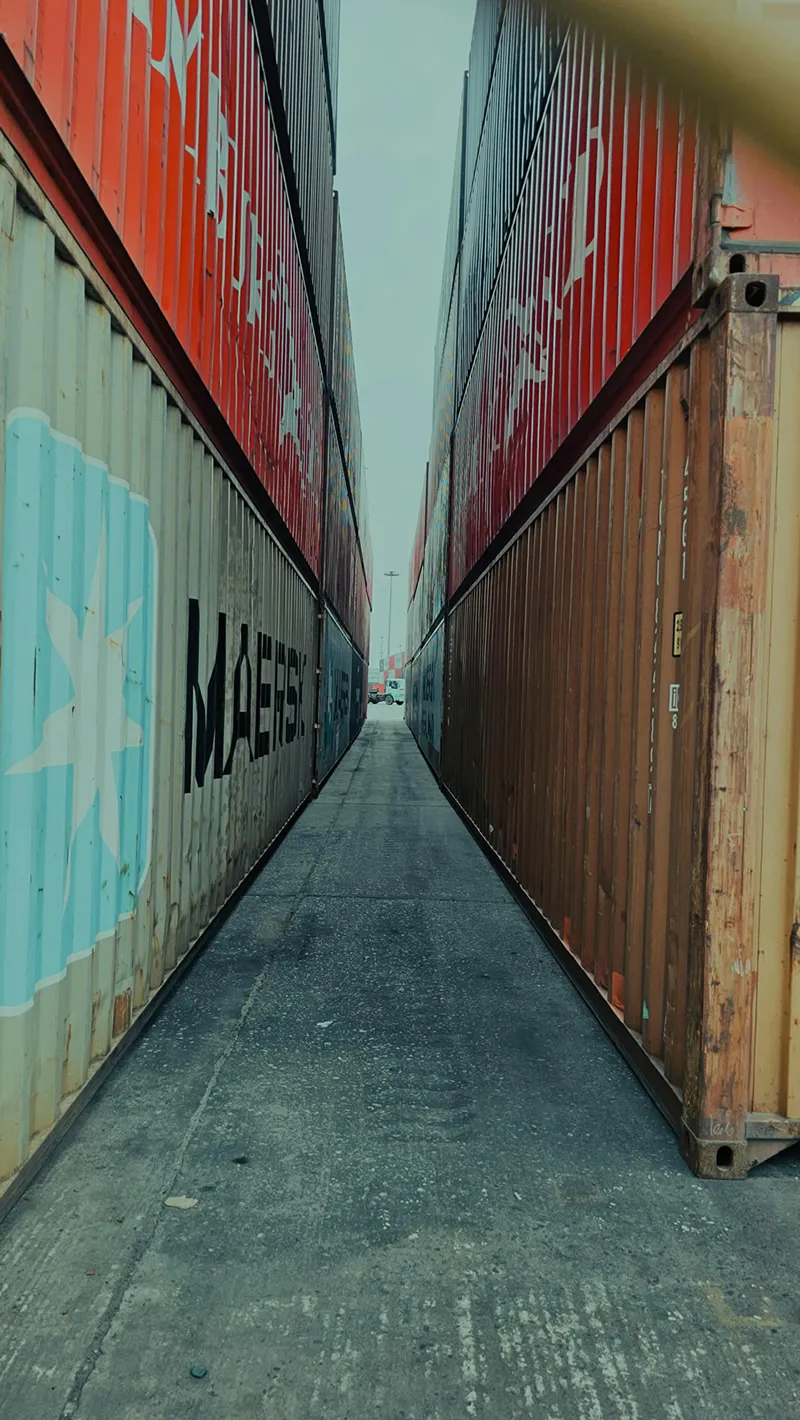
Finally, once all procedures are properly completed and taxes and fees are paid, the goods can be released and picked up. At this point, those delicious foods that were once far away in foreign lands can officially begin their 'journey' within the country, be delivered to various sales channels, and meet a wide range of consumers.
III. What Key Points Need Attention in Food Import Customs Clearance?
1. Food Label Compliance
Food labels are a crucial matter. The information on them must be accurate, including the food's name, ingredients, shelf life, storage conditions, and so on. Imported foods that do not comply with China's labeling regulations can encounter problems during the customs clearance process, so importers must pay special attention to this.
2. Food Safety Standards
China has strict standards for food safety, and imported foods must naturally comply with each one. For instance, additive content, microbial indicators, and so on in certain foods must all be within the prescribed limits. Only in this way can it be ensured that these imported delicacies are safe and reliable, allowing everyone to taste them with confidence.
3. Choosing a Professional Customs Clearance Team
The process of food import customs clearance is relatively complex, involving a lot of specialized knowledge and procedures. Therefore, choosing a professional and reliable customs clearance team is particularly important. A professional team like Zhongmaoda, for example, possesses rich experience and professional personnel, capable of helping importers complete the customs clearance process more smoothly and avoid many unnecessary troubles.
IV. Conclusion
Alright, that concludes our discussion on food import customs clearance. Do you now have a clearer understanding of the 'clearance journey' behind imported delicacies? If you are planning to engage in food import-related business, or are simply curious about how these delicious foods reach us, you can pay more attention to this knowledge. Perhaps in the future, when you savor imported delicacies, you'll recall these little bits of customs clearance knowledge you learned today. You are also welcome to leave comments and discuss in the comment section, sharing what you know about food import customs clearance!

Recent Comments (0) 0
Leave a Reply