Under the wave of economic globalization, international trade is becoming increasingly frequent, and general cargo import declaration has become an unavoidable key link for many enterprises to conduct cross-border business. Whether it's fashionable and novel electronic products or delicious and tempting food, they must pass through this checkpoint to enter the domestic market smoothly. Today, let us delve into the mysteries of general cargo import declaration.
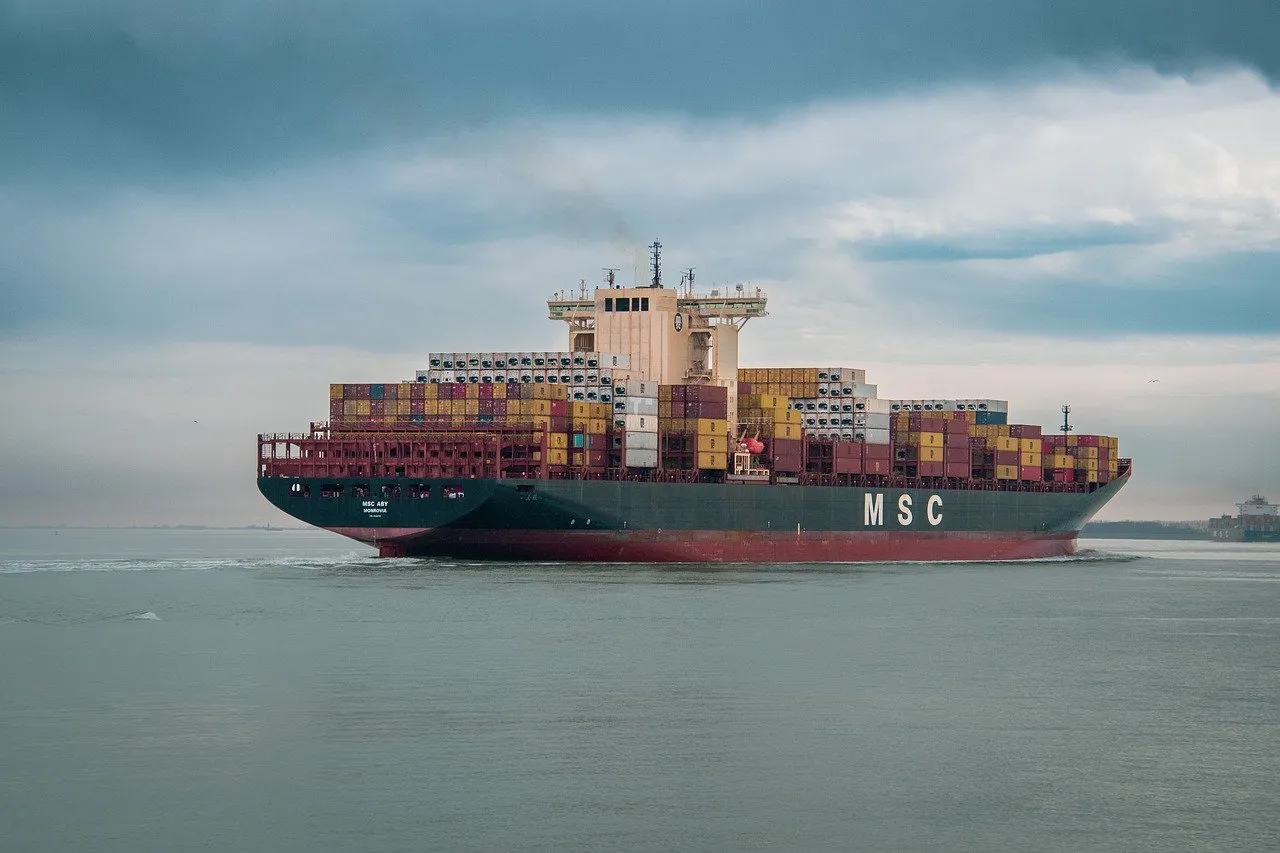
Pre-Declaration Preparations for Import
Firstly, document preparation is of utmost importance. Enterprises need to prepare basic documents such as commercial invoices, packing lists, and bills of lading, which are like the "identity documents" of the goods, detailing all aspects of the cargo. For example, the commercial invoice must clearly state the name, specifications, quantity, and value of the goods, providing a basis for customs assessment and taxation.
Furthermore, understanding commodity classification and tax rates is crucial. Different goods correspond to different customs codes, which directly determine the tax rate. For instance, seemingly similar plastic products may have vastly different classifications and tax rates due to their different uses. Enterprises can ensure accurate classification by consulting the Customs Import and Export Tariff of the People's Republic of China or by consulting a professional customs broker.
Comprehensive Analysis of the Declaration Process
After the goods arrive at the port, the first step is endorsement. The importer obtains a delivery order from the shipping company with documents such as the bill of lading, which is like getting an "admission ticket" for pickup. Subsequently, a formal declaration is made to the customs. Enterprises can enter the customs declaration information through the electronic port system, truthfully declaring the cargo situation. Upon receiving the declaration, the customs will review the customs declaration form and accompanying documents.
After the review is passed, it enters the tax payment stage. The customs calculates the duties, value-added tax, and other taxes payable based on the commodity classification and tax rate. Enterprises can pay in a timely manner through online payment platforms to ensure the quick release of goods. After tax payment, the customs may inspect the goods to check if the actual situation of the goods matches the declaration, including the quality, quantity, and packaging of the goods. If the inspection is correct, the goods can be released smoothly and enter the domestic market for circulation.
Declaration Precautions and Common Issue Resolution
Declaration information must be accurate and truthful. Once false declarations are found, not only will there be fines, but the enterprise's credit rating may also be affected. If the goods are detained by customs, enterprises should actively cooperate, provide relevant supporting documents, explain the situation of the goods, and strive for a quick resolution. At the same time, paying attention to policy changes is also not to be overlooked. Customs policies will be adjusted with factors such as the national trade situation, and enterprises should keep up to date to avoid losses due to unfamiliarity with policies.
Although the general cargo import declaration process is complex, as long as enterprises make full preparations, are familiar with the process, and strictly abide by relevant regulations, they can successfully clear customs and enter a broader international market. It is hoped that enterprises will grasp every detail during the import declaration process to achieve efficient trade exchanges.

Recent Comments (0) 0
Leave a Reply