In the vast landscape of global trade, commodity re-export trade acts like a mysterious bridge, connecting commercial exchanges between different countries and regions. Imagine a batch of goods not being shipped directly from the producing country to the consuming country, but being transited in a third country or region. What commercial logic and operational mysteries are hidden behind this? Let us unveil the veil of commodity re-export trade together.
What is Commodity Re-export Trade?
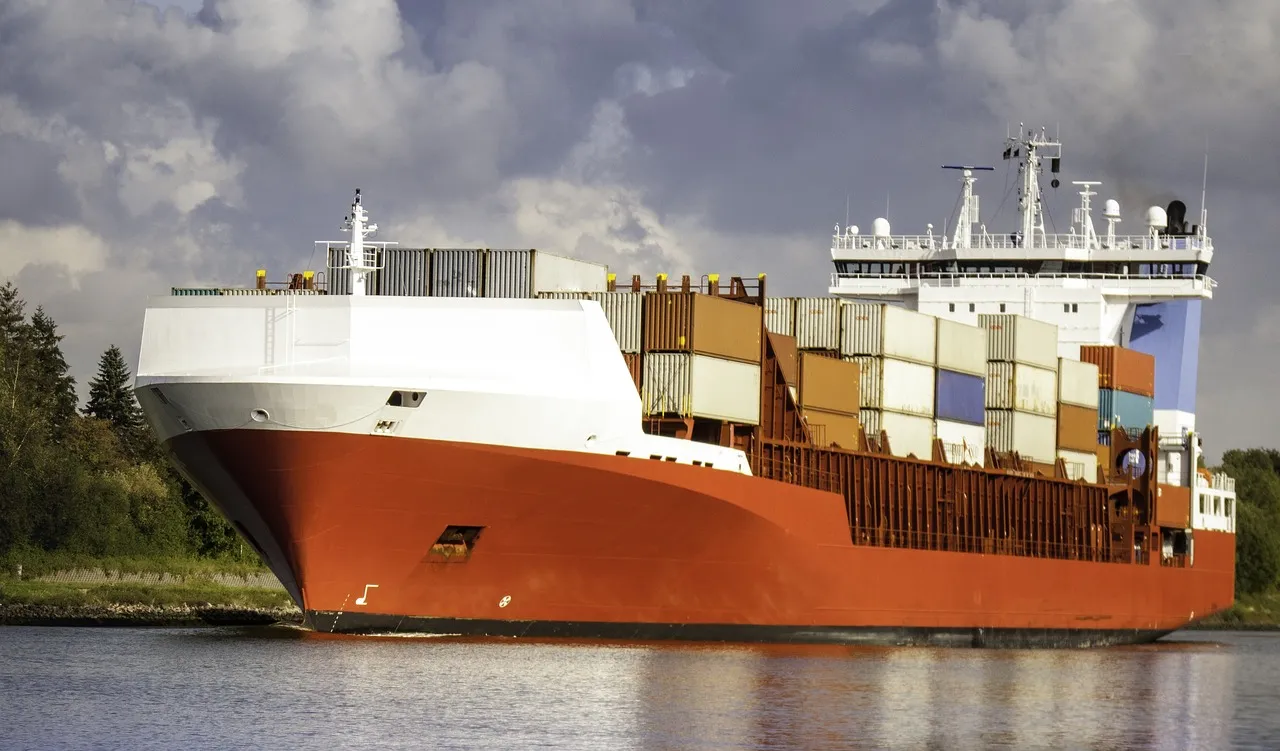
Commodity re-export trade, simply put, is a mode of trade where the producing country and the consuming country of a commodity do not directly buy and sell the commodity, but conduct the transaction through a third country. For example, Country A produces a batch of specialty textiles, and Country C has demand for these textiles. However, there may be trade barriers or a lack of direct trade channels between Country A and Country C. In this case, Country B can serve as the re-export trade hub. Country A first exports the textiles to Country B, and then Country B re-exports them to Country C.
In this process, Country B plays a crucial transit role. In terms of form, the goods may undergo brief warehousing, sorting, packaging, and other operations in Country B, but no substantial processing is done to alter the basic properties of the goods. The existence of this trade model provides new avenues for countries to break through trade restrictions and expand markets.
Advantages of Commodity Re-export Trade
- For the producing country, re-export trade can help it overcome trade barriers. Taking Mr. Pang company as an example, his company produces high-quality electronic products, but the target market country imposes high tariffs on such products. Through re-export trade, the products are first exported to a third country with lower tariffs, and then re-exported from the third country to the target market country. This effectively reduces tariff costs and makes the products more price-competitive.
- For the re-export trade hub, it can gain considerable economic benefits. Warehousing, transportation, agency, and other services during the re-export process create employment opportunities and economic income for the local area. At the same time, the prosperity of re-export trade can also drive the development of related industries such as local logistics and finance, and enhance the economic vitality of the region.
- For the consuming country, re-export trade increases the supply channels for goods. Mr. Pang company is engaged in import trade and could only import raw materials from a few countries. Through re-export trade, she found that she could obtain raw materials of similar quality but at a better price from more indirect channels, enriching her procurement options and reducing procurement costs.
Challenges and Risks of Commodity Re-export Trade
However, commodity re-export trade is not always smooth sailing. Firstly, there are policy risks. The trade policies of various countries are constantly changing. Once the policies such as tariffs and trade controls are adjusted by countries involved in re-export trade, it may affect the normal flow of goods. For example, if a re-export trade hub suddenly increases warehousing taxes on goods, it undoubtedly increases trade costs.
Secondly, there are logistics risks. During multiple transits, the possibility of damage or loss of goods increases. As it involves multiple transportation links and different logistics companies, once a problem occurs, the responsibility determination and claims process is often more complicated.
Thirdly, there are credit risks. In re-export trade, multiple transaction entities are involved, and the creditworthiness of each party is crucial. If one party defaults, such as defaulting on payment or delivering non-conforming goods, it will bring serious economic losses to other parties.
How to Cope with the Risks of Commodity Re-export Trade
Faced with numerous risks, businesses need to respond actively. In terms of policies, it is necessary to closely monitor the trade policy dynamics of various countries and establish a policy early warning mechanism. For example, collaborating with professional trade consulting agencies to obtain timely policy change information and adjust trade strategies in advance.
In terms of logistics, choose logistics partners with good reputation and rich experience, and purchase sufficient cargo transportation insurance to reduce the risk of cargo loss. At the same time, strengthen the monitoring of the logistics process and keep track of the dynamic status of the goods in real time.
In terms of credit management, conduct comprehensive credit investigation of cooperative parties before transactions, including their business operations and financial status. Sign detailed trade contracts to clarify the rights and obligations of each party, and ensure transaction security through methods such as bank guarantees and letters of credit.
Commodity re-export trade, as an important part of international trade, contains infinite business opportunities, but also comes with certain risks. Only by fully understanding its operational mechanisms and actively responding to various challenges can enterprises develop steadily in this unique trade field and explore broader horizons on the global trade stage. We hope that more enterprises will deeply study and reasonably utilize commodity re-export trade to jointly promote the prosperity of global trade.

Recent Comments (0) 0
Leave a Reply