As a cargo ship full of Southeast Asian fruits slowly docks at Nansha Port, and after 48 hours, these goods are re-labeled and shipped to Europe – this is the daily routine of Guangzhou's re-export trade. As one of the starting points of the Maritime Silk Road, Guangzhou is interpreting the role of "Global Transit Hub" to new heights with astonishing efficiency. In 2023, Guangzhou Port's re-export trade volume exceeded 800 billion yuan. What commercial logic is hidden behind this number?
Geographical Advantage: Trade Genes of a Chosen Land

The golden location at the mouth of the Pearl River has made Guangzhou a must-pass for merchant ships since ancient times. Modern shipping data further confirms this advantage:
- Average voyage to major Southeast Asian ports is only 3 days
- Route density to the Middle East and Europe ranks first in the country
- Air freight covers major East Asian city clusters within 3 hours
Mr. Yang, who has been engaged in re-export trade for over a decade, says: "Shipping the same batch of goods through Guangzhou saves 15% in logistics costs compared to inland cities."
Policy Dividends: The Invisible Pusher
Bonded zone policies and smart customs form a combined force:
- Tariffs are deferred upon goods entering the zone
- Intelligent clearance shortens customs transit time to 2 hours
- Transit goods are exempt from VAT filing
Mr. Yang cosmetics company is a beneficiary: "Our European customers can never imagine that the goods they receive in Milan were just transshipped from Thailand."
Industrial Ecosystem: From "Passing Tycoon" to "Value Hub"
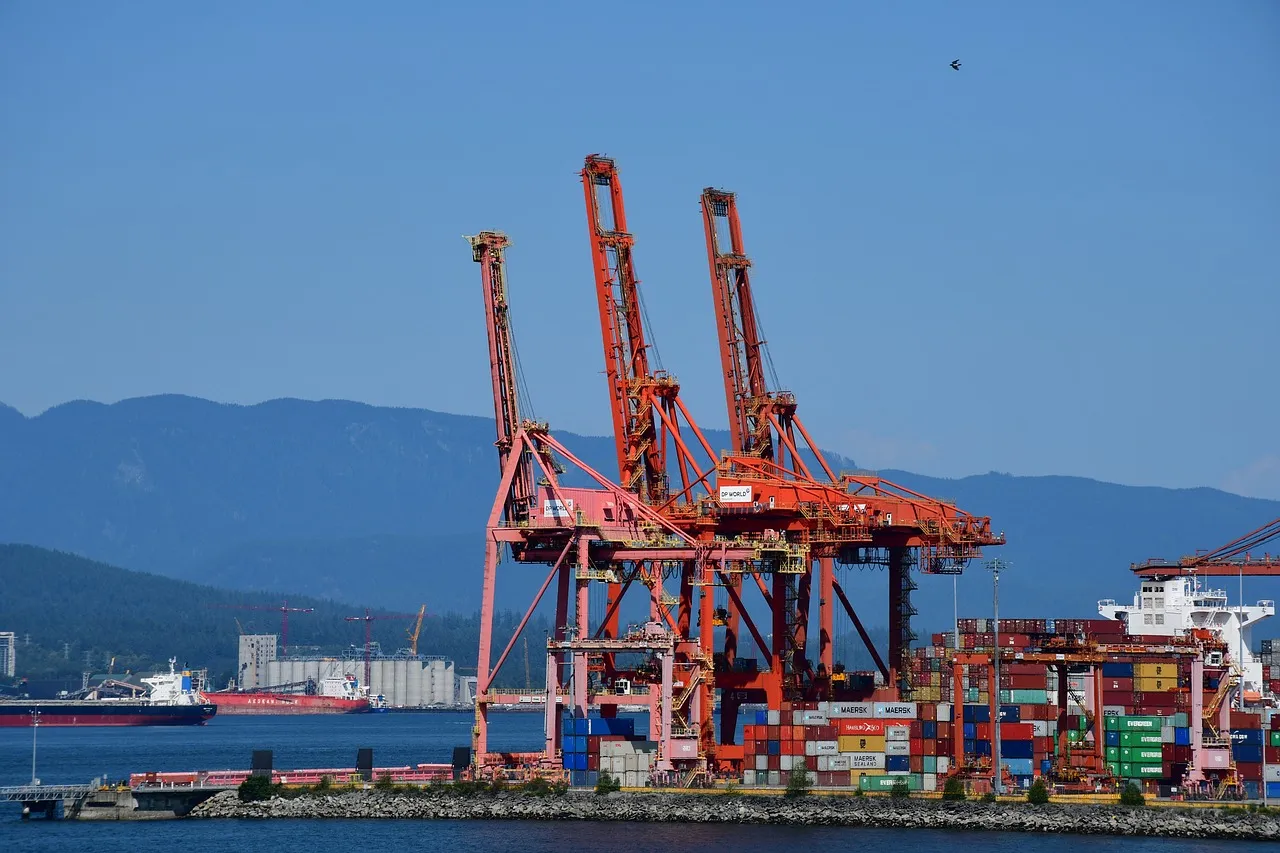
Guangzhou's re-export trade has long surpassed simple logistics:
- Professional markets provide real-time supply and demand matching
- Cross-border finance solves the pain points of multi-currency settlement
- Quality inspection laboratories meet the certification standards of various countries
Industry reports from Zhongmaoda show that value-added services account for 40% of re-export trade profits, which is precisely what distinguishes Guangzhou from pure port cities.
Future Challenges: The Growing Pains of Transformation in the Digital Age
When blockchain technology begins to replace traditional documents, and when emerging ports in Southeast Asia launch price wars, Guangzhou's response strategies are worth paying attention to:
- Digital twin ports improve dispatch efficiency
- Cultivate professional trade service talents
- Develop green and low-carbon transit models
As one practitioner said: "Now it's not about who can transport goods, but who can create more intermediate value."
Standing at the relics of Huangpu Ancient Port and gazing at the modern container terminals, a sense of historical layering is overwhelming. The story of Guangzhou's re-export trade reminds us: A true commercial hub is always redefining the meaning of "transit". Does your industry also hide such "re-export opportunities"? Your observations are welcome.

Recent Comments (0) 0
Leave a Reply